

Your Home Still Has Its Original Door Locks: When Should You Consider Replacing Them?
An original lock can continue functioning for many years, but that does not necessarily mean it will remain reliable indefinitely. Daily use, gradual wear, previous repairs, changes in household access, and the age of the hardware can all affect how well a lock performs.

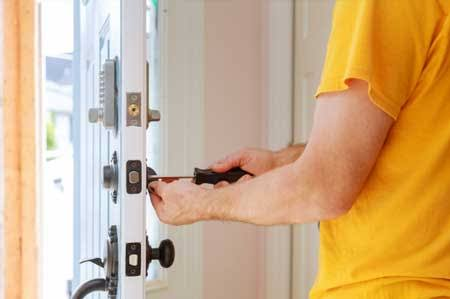
When moving into a home, homeowners often pay attention to the condition of the walls, flooring, plumbing, appliances, windows, and electrical systems. Door locks, however, are easy to overlook when they appear to be working normally.
An original lock can continue functioning for many years, but that does not necessarily mean it will remain reliable indefinitely. Daily use, gradual wear, previous repairs, changes in household access, and the age of the hardware can all affect how well a lock performs.
For Dubai homeowners, particularly those living in older apartments, villas, or properties that have changed occupants, knowing when an original door lock deserves attention can help prevent unexpected access problems.
How Long Should a Door Lock Last?
There is no single lifespan that applies to every door lock.
The actual service life depends on the type of lock, quality of the hardware, frequency of use, installation, maintenance, and environmental conditions.
A main entrance used several times every day will naturally experience more movement than a storage-room door that is rarely opened.
Rather than replacing a lock simply because it has reached a particular age, homeowners should pay attention to changes in its performance.
If the lock continues operating smoothly and remains suitable for the property, there may be no immediate reason to replace it.
Pay Attention to How the Key Feels
One of the easiest warning signs is a change in the way the key operates.
If your key used to turn smoothly but now requires additional pressure, feels stiff, or catches at a particular point, the lock may be developing wear.
The key itself could also be worn, so the symptom does not automatically mean that the entire lock needs replacement.
However, if the problem continues with more than one working key, the locking mechanism deserves closer attention.
Ignoring increasing resistance can eventually result in a key becoming stuck or breaking inside the cylinder.
Does the Lock Feel Loose?
A lock that feels loose can also deserve inspection.
The cylinder, handle, escutcheon, or other hardware may develop movement over time. Sometimes the issue is simply a loose fixing, while in other situations the hardware itself may be worn or damaged.
Do not assume that tightening visible screws will always solve the problem.
If the lock repeatedly becomes loose after adjustment, it may be worth assessing whether the existing hardware should remain in service.
Your Door May Be Affecting the Lock
Not every locking problem originates inside the lock.
The door and frame need to remain correctly aligned for the latch or deadbolt to operate properly.
If you find yourself pushing, pulling, lifting, or repositioning the door before the lock works, the alignment may be contributing to the problem.
Try the lock with the door open and then with it closed. If the key operates easily when the door is open but becomes difficult when the door is closed, the door position may be affecting the mechanism.
A professional should assess the complete setup before you automatically replace the lock.
Repeated Repairs Are Worth Considering
An occasional adjustment does not necessarily indicate that a lock needs replacement.
However, if the same lock has required several repairs over the years, homeowners should consider whether continuing to repair it remains practical.
Repeated faults may indicate that the hardware has reached a stage where replacement provides a more reliable long-term solution.
This is particularly relevant for a main entrance where dependable operation is important every day.
The decision should be based on the condition of the lock rather than simply the number of repairs it has received.
Consider What Happened Before You Moved In
If you purchased or rented a previously occupied property, you may not know the complete history of its locks.
Previous occupants may have had multiple copies of the keys. Family members, domestic workers, contractors, property managers, or other authorised people may also have had access.
You cannot necessarily determine how many copies of a key exist simply by looking at the keys handed over to you.
For homeowners who want to establish a fresh access arrangement, replacing or rekeying important locks can be an option.
You Do Not Always Need to Replace Every Lock
A property may have several doors, but that does not mean every lock needs to be replaced at the same time.
Start with the entrances that matter most.
The main entrance, side entrance, garage, and other external access points may deserve greater attention than internal doors that do not provide direct access to the property.
Assess each lock according to its condition, importance, frequency of use, and current security requirements.
This approach can help homeowners avoid unnecessary replacement costs.
What About Locks That Still Look Fine?
Visual appearance does not tell you everything about a lock.
A cylinder can look perfectly normal from the outside while internal components are becoming worn.
This is why testing the lock is important.
Insert the key and operate it normally. Check whether the key enters and exits smoothly and whether the locking mechanism engages without excessive force.
If everything feels consistent, there may be no immediate concern.
If the lock feels noticeably different from before, investigate the change rather than relying only on its appearance.
Renovation Can Be a Good Opportunity
If you are renovating your home, door locks can easily become part of the wider upgrade.
Changing doors, handles, frames, or finishes may affect the compatibility and appearance of existing locking hardware.
A renovation can therefore be a convenient time to review the locks and determine whether they still suit the property.
This does not mean that every renovation requires new locks. Instead, consider whether the existing hardware is compatible with the updated doors and whether its condition justifies keeping it.
When a Smart Lock May Be Worth Considering
Some homeowners replacing older mechanical locks may consider smart locking technology.
Depending on the model, smart locks can provide access through methods such as PIN codes, cards, fingerprints, mobile applications, or other electronic systems.
However, the latest technology is not automatically the right choice for every door.
The lock needs to be compatible with the door and suitable for the household's requirements.
If you are considering a smart lock, installation and alignment should also be taken seriously because the electronic system still relies on the physical door and locking mechanism operating correctly.
Think About Who Needs Access
A change in household circumstances can also be a reason to review the existing locks.
Perhaps more family members now live in the property. Maybe household staff or another authorised person previously had a key but no longer needs access.
In these situations, homeowners should consider whether the current key arrangement still makes sense.
Replacing or rekeying selected locks can provide an opportunity to establish a new access arrangement.
The goal is not necessarily to change everything, but to make sure access reflects the property's current needs.
What About a Rental Property?
Tenants and landlords may approach lock replacement differently.
If you are renting a property and notice a damaged or unreliable lock, inform the landlord or property manager before making changes where required by your rental arrangement.
If you are a property owner managing a rental unit, reviewing locks between occupants can be part of preparing the property for its next resident.
The appropriate solution depends on the property's circumstances and the condition of the existing hardware.
Choosing the Right Replacement Lock
If replacement becomes necessary, do not choose a lock based solely on its appearance.
The replacement needs to be compatible with the door's construction and dimensions.
Consider the type of door, existing preparation, cylinder arrangement, handle configuration, and how frequently the entrance is used.
A lock that looks good but does not fit the door correctly can create operating problems.
Professional assessment can help ensure that the replacement hardware is suitable before installation begins.
Why Correct Installation Matters
Even a good-quality lock can perform poorly if it is installed incorrectly.
The cylinder, latch, strike plate, handle, and other components need to work together correctly.
The door should close naturally, and the locking mechanism should engage without requiring excessive force.
Incorrect alignment can make a new lock feel unreliable even when the hardware itself is perfectly functional.
This is why homeowners should consider the entire door setup rather than treating lock replacement as simply removing one component and installing another.
Repair, Rekey or Replace?
Homeowners generally have several possible options when an original lock becomes questionable.
Repair may make sense when the hardware remains in good condition and the problem is limited to a particular component.
Rekeying may be appropriate when the lock is suitable but you want to change which keys operate it.
Replacement can make more sense when the lock is significantly worn, damaged, repeatedly unreliable, or no longer suitable for the property.
The right option depends on the specific situation.
A professional inspection can help identify which approach is most practical.
When Should You Call a Professional?
If the lock is becoming difficult to operate, repeatedly failing, or showing physical damage, it is worth having it assessed.
Homeowners searching for door lock replacement services in Dubai can explain the symptoms before arranging an appointment.
Tell the locksmith whether the lock is original, how long you have noticed the problem, whether multiple keys are affected, and whether the door needs to be pushed or pulled before the lock operates.
This information can help the professional understand whether the issue may involve the lock, key, or door alignment.
Test a New Lock Thoroughly
After replacement, do not simply close the door and assume everything is fine.
Test the lock several times.
Check it with the door open and closed. Lock and unlock the door and make sure the key moves smoothly.
If the door has a handle, latch, or deadbolt, test those components as well.
A new lock should provide consistent operation without requiring unusual pressure.
If something does not feel right, address it immediately rather than waiting until the problem becomes worse.
Do Not Wait for Complete Failure
The biggest reason to pay attention to an ageing lock is that complete failure can happen at an inconvenient time.
A lock that has been getting progressively harder to operate may eventually stop responding when you need to leave or enter the property.
Replacing or repairing the hardware while it remains functional gives you more flexibility.
You can assess the options, select appropriate hardware, and arrange the work without dealing with the pressure of an immediate lockout.
Frequently Asked Questions
Should old door locks always be replaced?
No. Age alone does not determine whether replacement is necessary. Condition, reliability, usage, and current access requirements are more important factors.
How can I tell if my lock is wearing out?
Increasing resistance, unusual movement, repeated faults, difficulty removing the key, or changes in normal operation can all be reasons to have the lock checked.
Should I replace locks after moving into a used property?
It is not automatically necessary, but homeowners may consider rekeying or replacing important locks if they want a fresh access arrangement.
Can a lock be repaired instead of replaced?
Sometimes. If the existing hardware is in good condition and the fault is limited, repair may be sufficient.
Do I need to replace every lock in the house?
Not necessarily. Prioritise important entrances and assess each lock individually.
Final Thoughts
Original door locks can remain useful for many years, but homeowners should not judge their condition solely by whether the key still turns.
Changes in key operation, loose hardware, repeated repairs, door alignment problems, and uncertainty about previous access can all be reasons to review an existing locking system.
For Dubai homeowners, a practical approach is to inspect the property's important entrances first. Test the locks, check how the keys feel, and consider whether the existing hardware still meets your needs.
If a lock remains reliable and suitable, there may be no reason to replace it simply because it is old. If it has become increasingly difficult to operate or has required repeated repairs, replacement may provide a more dependable solution.
When considering door lock replacement, the goal should be more than installing new hardware. The replacement should be compatible with the door, correctly aligned, and suitable for the way the property is used.
Addressing an ageing lock before complete failure gives homeowners more control over the process and can help prevent an avoidable lock emergency later.














Comments (0)