

Which Industries Commonly Use Hypo Chemical Products for Operations?

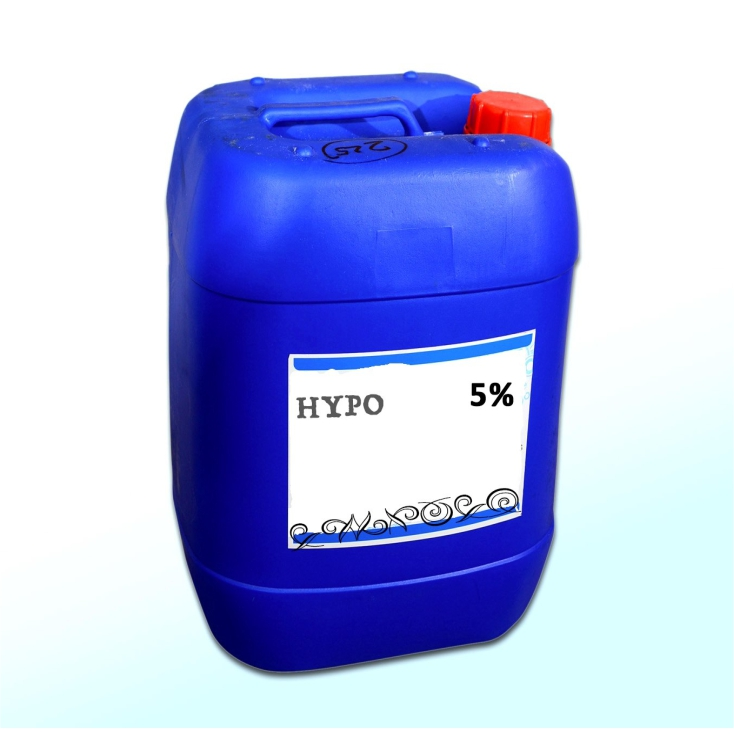
Many industries need reliable solutions for cleaning, sanitation, disinfection, and water treatment. Hypo Chemical products are commonly used in industries where hygiene, microbial control, and water quality are important. Their use depends on the product concentration, application, and specific process requirements.
Water treatment plants, wastewater facilities, manufacturing units, food-related businesses, and textile industries may use suitable hypochlorite-based products. Correct dosage, storage, and handling are important for safe and effective results.
Key Takeaways
-
Hypo Chemical products support sanitation, disinfection, and cleaning
-
Water and wastewater treatment are common applications
-
Manufacturing and textile industries use suitable products for specific processes
-
NaOCL Sodium Hypochlorite is widely used for controlled disinfection
-
Proper dosing, storage, and handling are essential
Technical Explanation
Hypochlorite-based products are commonly used to help control microorganisms. Their effectiveness depends on concentration, contact time, pH, temperature, and the condition of the water or surface being treated.
Different industries have different requirements. Water treatment plants may use controlled dosing systems, while manufacturing facilities may use suitable products for equipment sanitation. Businesses should select the right product according to the intended application.
Common Industries and Applications
|
Industry |
Application |
Key Requirement |
|
Water treatment |
Water disinfection |
Correct dosing |
|
Wastewater treatment |
Microbial control |
Process monitoring |
|
Manufacturing |
Equipment sanitation |
Material compatibility |
|
Food processing |
Hygiene and sanitation |
Proper procedures |
|
Textile industry |
Selected bleaching |
Concentration control |
Water Treatment
Water treatment is a major application for hypochlorite-based products. NaOCL Sodium Hypochlorite can be used in controlled amounts to help disinfect water and manage microbial contamination.
The required dosage depends on water quality, treatment goals, and contact time. Regular monitoring helps maintain the required treatment level.
Wastewater Treatment
Wastewater facilities may use Hypo Chemical products during the disinfection stage. Controlled dosing can help reduce microorganisms before treated water is discharged or reused.
The treatment method should be selected according to wastewater characteristics and process requirements.
Manufacturing
Manufacturing facilities often require cleaning and sanitation for equipment and work areas. Suitable hypochlorite products can support these activities when they are compatible with the materials being treated.
Using the recommended concentration can help provide effective results while reducing unnecessary material exposure.
Food Processing
Food-related facilities require proper hygiene and sanitation practices. Suitable hypochlorite solutions may be used for selected sanitation applications when permitted by applicable procedures.
Concentration, contact time, rinsing, and other requirements should be carefully controlled.
Textile Processing
Some textile processes use hypochlorite-based products for selected bleaching applications. Proper concentration and process control are important to achieve the required result without unnecessarily affecting the material.
Other Industrial Chemicals
Different industrial chemicals serve different purposes.
Sodium Hypochlorite Bleach is commonly used for sanitation, cleaning, disinfection, and selected bleaching processes. Its concentration can vary, so businesses should check product specifications before use.
An Ammonia Cylinder is commonly used for industrial refrigeration and certain chemical processes. It requires appropriate storage and handling and should be kept away from incompatible hypochlorite products.
Chlorine Gas is used in controlled applications such as certain water treatment and chemical processing operations. It requires specialized equipment, monitoring, and trained personnel.
Businesses should never mix incompatible chemicals and should always follow product instructions and safety documentation.
Step-by-Step Guide
1. Identify the Requirement
Determine whether the chemical is needed for water treatment, wastewater disinfection, sanitation, cleaning, or another process.
2. Select the Right Product
Choose a product based on its concentration, formulation, intended use, and process requirements.
3. Check Safety Information
Read the product label and Safety Data Sheet before use. Check storage, handling, protective equipment, and emergency instructions.
4. Determine the Dosage
Use the recommended concentration for the specific application. A higher concentration does not automatically mean better results.
5. Check Equipment Compatibility
Ensure that tanks, pipes, pumps, valves, and other equipment are suitable for the chemical.
6. Apply Correctly
Use appropriate dosing or application equipment and follow established workplace procedures. Workers should use suitable protective equipment.
7. Allow Contact Time
Give the product sufficient contact time according to the manufacturer's instructions or the validated process.
8. Monitor and Store Safely
Monitor concentration and process conditions regularly. Store the product in suitable, clearly labeled containers away from incompatible materials.
Safety Considerations
Proper handling is essential when using Hypo Chemical products. Workers should receive suitable training and use appropriate personal protective equipment.
Hypochlorite products should not be mixed with acids, ammonia-containing materials, or other incompatible chemicals because hazardous gases may form.
Facilities using an Ammonia Cylinder or Chlorine Gas should maintain proper segregation, labeling, ventilation, and emergency procedures. Safety Data Sheets should also be easily available to workers.
Conclusion
Hypo Chemical products are used across several industries because they can support water treatment, sanitation, disinfection, cleaning, and selected bleaching processes. Water treatment, wastewater treatment, manufacturing, food-related operations, and textile processing are some common areas of use.
NaOCL Sodium Hypochlorite and Sodium Hypochlorite Bleach can support different hypochlorite-based applications, while an Ammonia Cylinder and Chlorine Gas have separate industrial uses and safety requirements.
Selecting the correct product, concentration, equipment, and handling procedure helps businesses achieve effective and responsible chemical use.
FAQ Section
Which industries commonly use Hypo Chemical products?
Water treatment, wastewater treatment, manufacturing, food-related facilities, textile processing, and other industrial operations may use suitable hypochlorite products.
What is NaOCL Sodium Hypochlorite used for?
It is commonly used for water treatment, sanitation, disinfection, cleaning, and selected industrial applications.
Is Sodium Hypochlorite Bleach useful for cleaning?
Yes. Suitable formulations can support cleaning, sanitation, disinfection, and selected bleaching applications.
What is an Ammonia Cylinder used for?
It is commonly used for industrial refrigeration and certain chemical processes.
Is Chlorine Gas used for water treatment?
Yes, it can be used in certain controlled water treatment systems, but specialized equipment and strict safety procedures are required.
Can Hypo Chemical be mixed with ammonia?
No. Hypochlorite products should not be mixed with ammonia-containing materials because hazardous gases may form.
How should Hypo Chemical products be handled?
Businesses should follow the product's Safety Data Sheet, use the recommended concentration, provide suitable protective equipment, and maintain proper storage and handling procedures.






Comments (0)