

Trail Running with a Jogging Pram: Is It Safe and What to Look For
Trail running with your little one can be one of the most rewarding ways to stay active as a parent, but rough terrain adds a layer of complexity that road running doesn't. Before you head off-road, it's worth understanding what makes a jogging pram trail-ready, and where the real safety considerations lie.
Is Trail Running with a Jogging Pram Actually Safe?
The short answer: yes, but only with the right equipment and the right precautions. A running pram built for pavement isn't automatically suited to gravel paths, tree roots, or uneven forest trails. The combination of speed, bumps, and an unlocked front wheel can quickly turn unstable if the pram isn't designed to handle it.
Safety on trails comes down to three main factors: the suspension system, whether the front wheel can be locked, and how well the pram's tyres and frame handle changing terrain. Get these right, and trail running becomes a genuinely safe, enjoyable activity for both parent and child.
Know Your Child's Readiness
Before terrain even comes into play, most manufacturers recommend children be at least 6-8 months old, with good head and neck control, before jogging in any pram — trail or otherwise. Always check the specific age guidance for your model, and use the safety harness on every outing regardless of how short the trail.
Off-Road Suspension: The Most Important Feature
Suspension is what separates a genuine trail pram from a standard jogging model. On smooth pavement, basic shock absorption is enough. On dirt trails, roots, and gravel, you need a suspension system that actively absorbs impact so your child isn't jostled with every bump.
What Good Suspension Looks Like
Look for:
- Independent suspension on each wheel rather than a single shared system, which handles uneven ground more evenly
- Adjustable suspension settings so you can stiffen or soften the ride depending on terrain
- A sturdy, low centre of gravity frame, which keeps the pram stable when running over roots or through ruts
A well-built suspension system is designed to smooth out rougher surfaces without compromising handling at running speed, even on trails with frequent bumps and dips.
Wheel Locking: Non-Negotiable for Trails
This is arguably the single most important safety feature for off-road jogging. Trail running prams have a front wheel that can swivel (great for manoeuvring around town) or lock into a fixed forward position (essential for stability at speed).
Why Locking the Front Wheel Matters
An unlocked swivel wheel is fine at walking pace, but at running speed on uneven ground, it can catch on a root, rock, or rut and jerk violently to one side. This is one of the most common causes of jogging pram tip-overs. Always lock the front wheel before you start running, and only unlock it for manoeuvring at a standstill or slow walk.
Braking on Descents
Trail terrain often means inclines, so check that your pram has a reliable hand brake in addition to the parking brake. A hand brake lets you control speed on downhill sections without relying solely on your own running pace to slow the pram down.
Terrain Considerations Before You Head Out
Not all "off-road" is created equal, and it's worth being realistic about what your pram — and your child — can handle.
Tyre Type and Pressure
Larger, air-filled (pneumatic) tyres perform far better on trails than solid foam tyres, offering more grip and cushioning. Check tyre pressure regularly, as under-inflated tyres reduce stability and make steering harder on loose surfaces like gravel or sand.
Trail Difficulty
Stick to well-maintained trails, fire roads, or packed dirt paths rather than technical single-track with roots, rocks, or steep drop-offs. Even the best trail pram has limits, and rougher terrain increases the risk of tipping or losing control.
Weather and Ground Conditions
Mud, wet leaves, and loose gravel all reduce traction. If conditions are particularly wet or icy, it's safer to switch to a paved route or postpone the run altogether.
Choosing the Right Pram from the Start
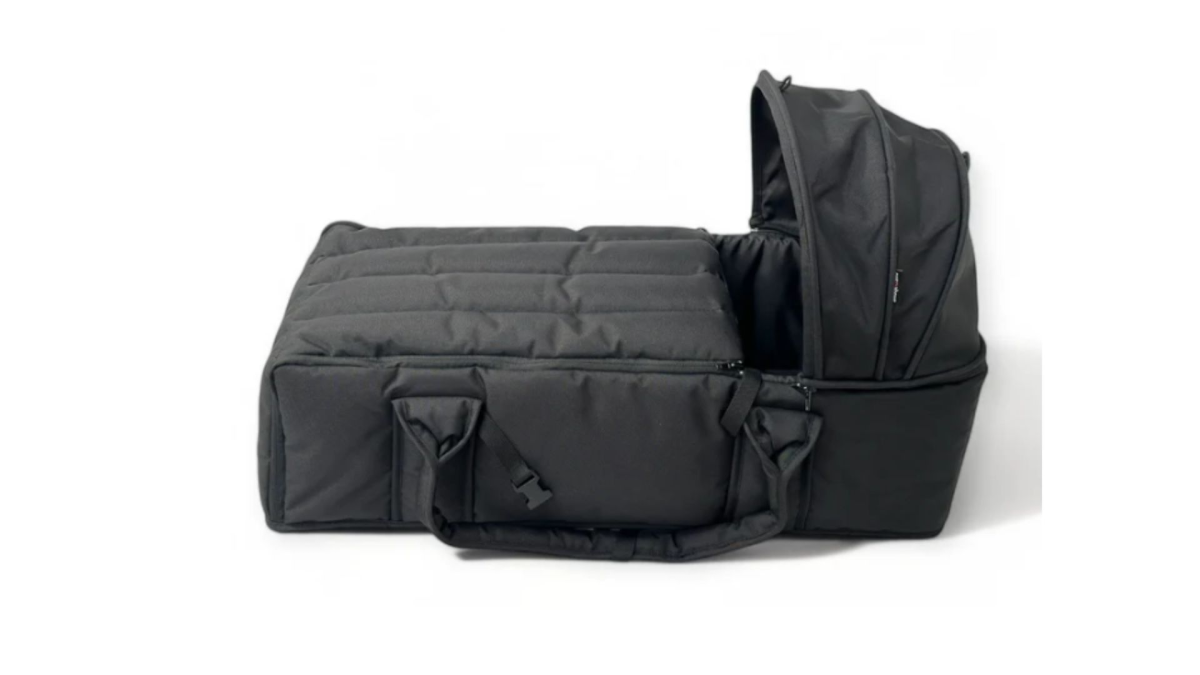
If you're still shopping around, it's worth thinking about your child's age and stage now, since needs change quickly in the first year. Not every jogging model is suitable from birth, so if you're buying early or upgrading, check out the prams for newborn range to find an option that grows with your child from day one.
Final Thoughts
Trail running with a jogging pram is entirely doable with the right setup: solid suspension, a lockable front wheel, and a realistic sense of what terrain you and your pram can handle. Start on easier trails, always lock that front wheel, and build up as you and your child get more comfortable with the ride.

Outnabout is your trusted partner for family adventures, offering top-quality double prams and double buggies designed to make every outing a breeze. Whether you're navigating city streets or exploring the great outdoors, our products provide comfort, safety, and style for both your little ones. With Outnabout, you can enjoy hassle-free travel with a double pram or buggy that suits your lifestyle. Explore our range today and discover why parents everywhere rely on us to keep their journeys smooth and enjoyable. Outnabout, where family adventures begin!








Comments (0)