

Veterinary Surgical Equipment Standards Every Clinic Needs
Establishing clear standards for veterinary surgical equipment helps ensure reliable outcomes, supports animal welfare, and promotes smoother workflows within the practice.

Veterinary clinics are expected to maintain high standards of safety and consistency during surgical procedures. Animals undergoing surgery rely entirely on the quality of preparation, tools, and handling provided by veterinary professionals. One of the most critical aspects of this preparation is the proper management and sterilization of surgical tools. Establishing clear standards for veterinary surgical equipment helps ensure reliable outcomes, supports animal welfare, and promotes smoother workflows within the practice.
Why Equipment Standards Matter in Veterinary Clinics
Veterinary surgery differs from other forms of medical care due to the wide variation in animal species, sizes, and conditions. Surgical tools must be adaptable while maintaining consistent hygiene levels. Without clear standards for equipment preparation and use, clinics risk inconsistent outcomes and increased chances of contamination.
Standardized equipment practices help veterinary teams follow uniform processes for sterilization and handling. This consistency ensures that every surgical procedure begins with tools that meet safety expectations. Clinics that maintain these standards demonstrate a strong commitment to animal health and professional responsibility.
Sterilization as a Core Equipment Standard
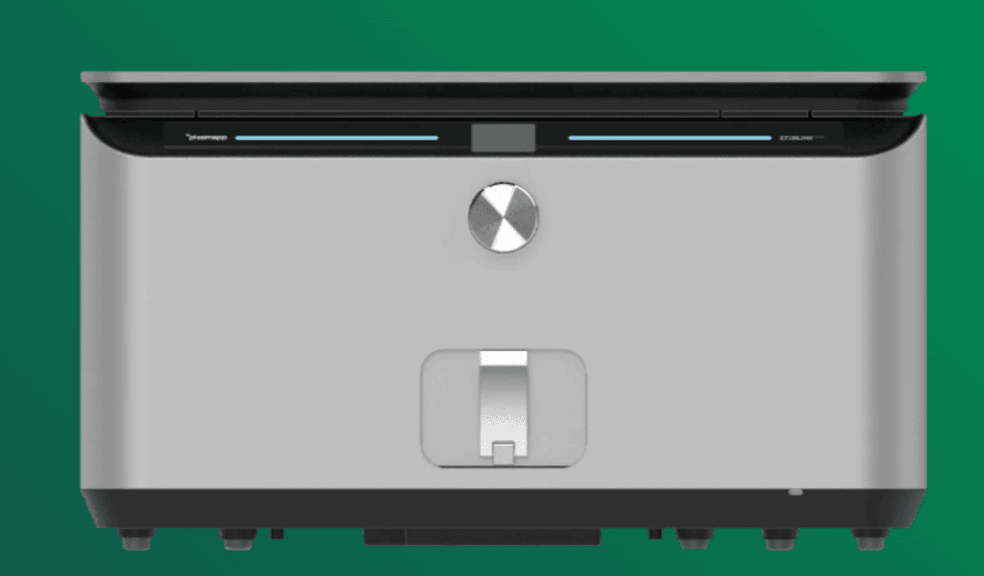
Sterilization is the foundation of surgical equipment standards in veterinary care. Any instrument introduced into a surgical environment must be properly cleaned and prepared before use. Modern sterilization systems are designed to meet this need efficiently while supporting different clinical requirements.
Some sterilization setups are intended for individual instruments. These are useful when a single piece of equipment needs to be prepared quickly. The short processing time allows the instrument to move from sterilization to surgery in just minutes, supporting urgent veterinary cases.
Supporting Different Types of Veterinary Procedures
Veterinary clinics perform a wide range of surgeries, each with unique equipment requirements. From routine operations to more advanced interventions, having standardized preparation methods ensures readiness across all procedure types.
Sterilization systems that support multiple equipment categories help clinics remain flexible. The ability to prepare both standard instruments and additional surgical devices together simplifies planning and reduces last-minute adjustments. This approach supports better coordination within the surgical team and minimizes interruptions during procedures.
Equipment Handling and Storage Standards
Beyond sterilization, proper handling and storage of surgical equipment play an important role in maintaining standards. Once tools are prepared, they must be stored in a way that preserves their cleanliness until use. Clear protocols for handling help prevent accidental contamination.
Standardized storage practices also make equipment easier to locate and manage. Veterinary teams benefit from organized systems that support quick access to prepared instruments. This organization contributes to smoother workflows and reduces stress during surgical preparation.
The Role of Training in Maintaining Standards
Equipment standards are only effective when staff members understand and follow them. Training is essential for ensuring that veterinary professionals know how to operate sterilization systems correctly. On-site instruction allows teams to gain hands-on experience with new equipment and preparation methods.
Training helps reduce errors during sterilization and handling. When staff members are confident in their processes, they are more likely to follow protocols consistently. This reliability supports overall clinic safety and efficiency.
Improving Workflow Through Standardization
Standardized equipment preparation has a direct impact on clinic workflow. When sterilization times and processes are predictable, veterinary teams can plan surgeries more effectively. Knowing exactly how long it takes to prepare tools helps with scheduling and coordination.
Efficient workflows reduce waiting times for both staff and animal patients. Clinics that rely on consistent equipment standards can handle higher case volumes without compromising care quality. This efficiency benefits the entire practice, from surgical teams to administrative staff.
Hygiene and Safety Compliance
Maintaining high hygiene standards is a fundamental responsibility in veterinary surgery. Standardized equipment preparation supports compliance with animal healthcare regulations and safety expectations. Clinics that follow consistent sterilization protocols demonstrate professionalism and accountability.
Clear standards also make it easier to monitor and evaluate equipment preparation practices. Regular checks ensure that protocols are being followed and that equipment continues to meet safety requirements. This oversight supports long-term quality assurance within the clinic.
Supporting Animal Welfare Through Equipment Standards
Every surgical decision affects animal well-being. Properly prepared equipment reduces the risk of infection and supports smoother recovery. Animals benefit from procedures performed with clean, reliable tools that meet established standards.
Veterinary professionals rely on consistent equipment performance to provide compassionate care. Using standardized veterinary surgical equipment allows teams to focus on the needs of their patients rather than technical concerns. Reliable preparation processes contribute directly to better surgical outcomes.
Conclusion
Equipment standards are a vital part of successful veterinary surgery. From sterilization systems to handling procedures and staff training, each element contributes to safe and effective care. Clinics that prioritize standardized preparation methods benefit from improved workflow, stronger hygiene practices, and better patient outcomes.
By maintaining clear standards for veterinary surgical equipment, veterinary practices support both their teams and the animals they serve. Consistency, efficiency, and safety remain the foundation of quality veterinary surgical care.










Comments (0)