

Nasha Mukti Kendra in Solan: Why Early Help for Chitta Addiction Matters
Chitta cases are rising across Himachal. Learn the warning signs of drug addiction and how a nasha mukti kendra in Solan supports recovery.

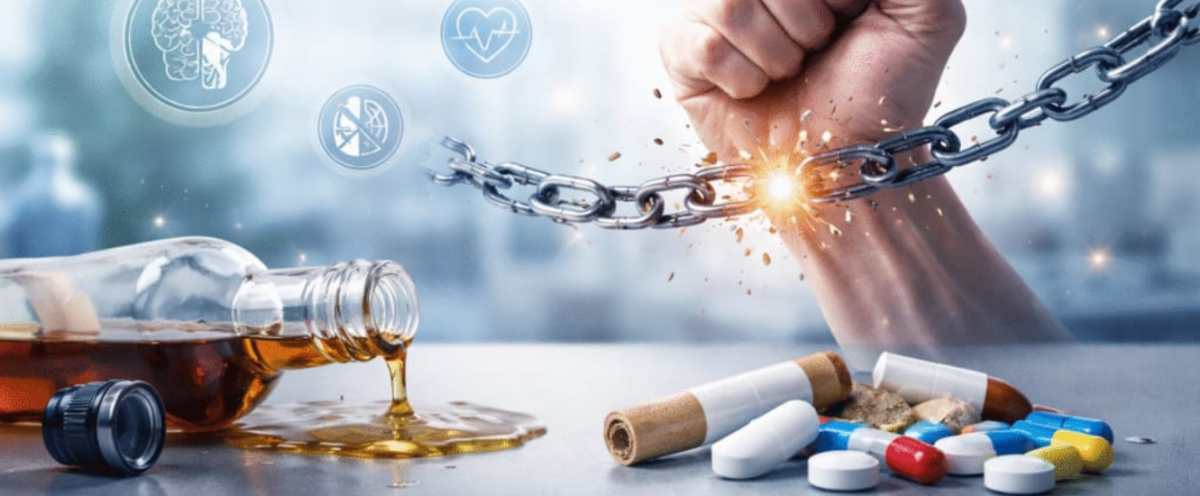
Every week, Himachal's newspapers carry another arrest or another family in crisis. Behind each headline is a young person, and a household asking how it got here. This guide explains what is happening in and around Solan, how to spot addiction early, and how a nasha mukti kendra in Solan helps people recover.
What Recent News Tells Us About Drugs Near Solan
A gearbox, a helmet and a hidden trade
In early September, Baddi Police's special cell and Nalagarh police jointly recovered 56.13 grams of chitta from a pickup truck's gearbox in Nalagarh, arresting two people. A separate report notes that chitta is being smuggled in through hiding spots ranging from gearboxes to helmets.
Another Solan report describes action against smugglers in which five accused were arrested in two cases, four from Punjab and Haryana and one a resident of Barog in Solan.
The problem is not only in Solan.
Neighbouring districts show the same pattern. On September 19, Kangra police arrested three people, including a woman, after recovering 67.62 grams of chitta during vehicle checking. Police there also observed that suppliers are increasingly using women to distribute chitta and heroin. In Shimla, police arrested two people in Sanjauli with about 24 grams of heroin and seven grams of MDMA.
Each seizure removes some supply. But supply exists because demand does. Arrests deal with the seller, and only treatment can help the person who is addicted.
What Is Chitta and Why Is It So Dangerous?
Chitta is the local name for adulterated synthetic heroin. Its purity is unpredictable, so two doses that look identical can differ sharply in strength, and that is why overdose is such a real risk. Regular use quickly builds tolerance and dependence. Willpower alone rarely works once the body depends on the drug.
Warning Signs of Drug Addiction in a Family Member
Addiction is easier to treat when caught early. Watch for:
- Sudden changes in sleep, appetite or weight
- Withdrawal from family, old friends and studies
- Repeated requests for money, or missing valuables
- Red or pinpoint eyes, drowsiness, or unexplained agitation
- Needle marks, burnt foil, or unfamiliar paraphernalia
- Lying, secrecy, and irritability when questioned
One sign alone may not mean addiction. Several together deserve a calm, honest conversation.
How a Nasha Mukti Kendra in Solan Helps
A good de-addiction centre in Solan treats addiction as a health condition, not a moral failure. Recovery usually follows these stages:
1. Assessment and detoxification
Doctors assess the person's physical and mental health, the substances used, and any other conditions. Detox is done under medical supervision, because withdrawal from opioids like heroin can be painful and, in some cases, dangerous when attempted alone at home.
2. Counselling and therapy
Individual and group counselling helps people understand their triggers, such as stress, peer pressure, trauma or boredom. Approaches like cognitive behavioural therapy teach practical ways to handle cravings.
3. Family involvement
Families are part of recovery. Sessions help relatives set healthy boundaries, stop enabling and rebuild trust.
4. Aftercare and relapse prevention
Recovery does not end at discharge. Follow-up sessions, support groups and a structured routine reduce the chance of relapse, which is common and does not mean failure.
Choosing the Right Rehabilitation Centre
Before admitting someone, ask these questions:
- Is the centre registered and staffed by qualified doctors and counsellors?
- Does it offer medical detox rather than only isolation?
- Are family counselling and aftercare included?
- Is the environment safe, clean and respectful of privacy?
- Are the fees and the treatment plan clearly explained?
Avoid any centre that promises a guaranteed "instant cure." Genuine recovery takes time.
A Message for Families in Himachal
Many families wait, hoping the problem will fade or fearing what neighbours will say. Meanwhile, the news shows how easily chitta circulates through highways, vehicles and even helmets. Silence and delay favour the drug, and seeking help early favours the person you love.
If someone close to you is struggling, speak to them without blame, then contact a qualified rehabilitation centre for a confidential assessment. Recovery is possible, and many people rebuild their health, careers and relationships after treatment.
Frequently Asked Questions
How long does treatment at a nasha mukti kendra take?
It varies. Detox often takes one to two weeks, while full rehabilitation programmes commonly run one to three months or longer, depending on the person.
Is treatment confidential?
Reputable centres respect patient privacy, but confirm their policy when you enquire.
Can a person recover after relapse?
Yes. Relapse signals that the treatment plan needs adjusting, not that recovery is impossible.








Comments (0)