

MS Steel for Industrial Projects: Benefits, Uses, and Selection Tips
Discover MS Steel applications, key benefits, quality checks, pricing factors, and tips for selecting reliable MS Steel Suppliers.


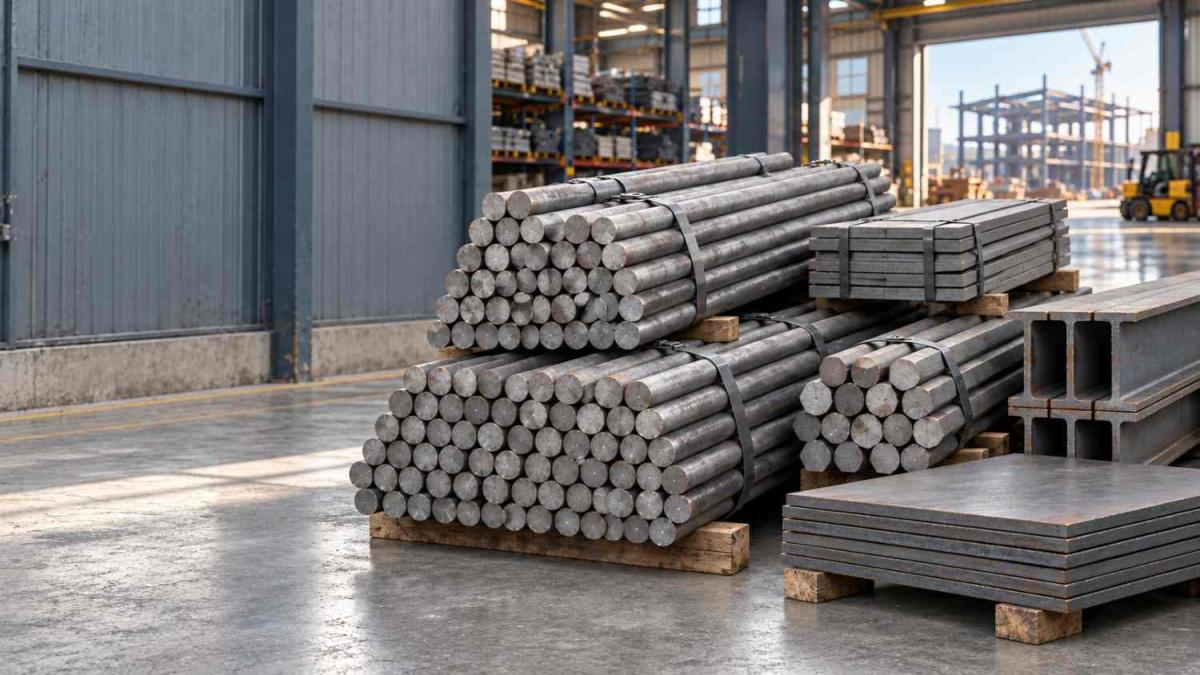
Steel is an essential material in modern construction, manufacturing, fabrication, and engineering. Among the various steel categories available, mild steel is widely used because of its versatility, formability, and suitability for numerous industrial applications. From structural supports to machine components, MS Steel provides a practical material solution for businesses seeking a balance between performance, workability, and cost.
For procurement managers, contractors, fabricators, and manufacturers, choosing the right steel requires careful consideration of technical specifications, material quality, supplier capabilities, and delivery requirements. Understanding these factors can help businesses reduce procurement risks and select materials that meet their project objectives.
What Makes MS Steel Suitable for Industrial Projects?
Mild steel is generally a low-carbon steel known for its useful combination of ductility, weldability, and machinability. Its properties make it suitable for fabrication processes where materials must be cut, drilled, bent, welded, or shaped into finished components.
Another advantage is its availability in several product forms. Depending on the supplier's stock and sourcing capabilities, buyers may obtain MS steel as round bars, flat bars, hex bars, plates, or structural sections. This variety allows businesses across different industries to source materials for diverse manufacturing and construction requirements.
However, material selection should always be based on the intended application. Load-bearing components, precision-machined parts, and products exposed to corrosive environments may require different grades or additional protection. Buyers should therefore verify the material specification and applicable standards before finalising an order.
What Are the Main Benefits of Using MS Steel?
One of the key advantages of mild steel is its versatility. It can be processed using widely available fabrication techniques, making it suitable for many standard industrial operations. This can simplify manufacturing workflows and provide flexibility when producing components in different shapes and sizes.
Cost-effectiveness is another important consideration. Compared with certain specialised steel grades, mild steel can offer an economical solution for applications that do not require advanced corrosion resistance, exceptional hardness, or specialised high-temperature properties.
MS steel is also useful for projects requiring custom fabrication. Manufacturers can select product dimensions and shapes that suit their production processes, subject to availability and specification requirements.
Nevertheless, mild steel can corrode when exposed to moisture and unsuitable environmental conditions. Protective coatings, painting, galvanising, or other appropriate treatments may be required depending on the application. For demanding service conditions, buyers should consult qualified engineering professionals before selecting the material.
How Should Buyers Evaluate MS Steel Suppliers?
Choosing a suitable supplier is as important as choosing the right material. Reliable sourcing can help businesses maintain production schedules, manage inventory, and reduce the risk of receiving products that do not meet their requirements.
When comparing MS Steel Suppliers, procurement teams should assess several important factors.
Product availability: Check whether the supplier can source the required forms, grades, dimensions, and quantities.
Specification compliance: Confirm the applicable standards, dimensional tolerances, and material requirements before issuing a purchase order.
Quality documentation: Ask whether mill test certificates or other relevant documentation are available for the material being supplied.
Order coordination: Evaluate the supplier's ability to communicate clearly about stock availability, expected lead times, and order requirements.
Delivery arrangements: Confirm the destination, transportation terms, packaging, and expected delivery schedule.
Quotation transparency: Request a detailed quotation covering the material description, quantity, pricing basis, applicable taxes, freight, and payment terms.
A structured evaluation helps buyers compare suppliers on technical suitability and commercial value rather than price alone.
What Determines the Price of MS Steel?
The price of MS steel depends on several market and order-specific factors. Raw material costs, manufacturing expenses, transportation, demand, and supply conditions can influence prevailing prices.
Product specifications also matter. Different grades, sizes, shapes, and dimensional tolerances may carry different prices. Large-volume purchases may have different commercial terms from smaller orders, while specialised documentation or processing requirements can affect the overall cost.
For an accurate estimate, buyers should provide suppliers with complete information about the required grade, product form, dimensions, quantity, delivery location, and applicable standards.
It is also important to compare quotations using the same specifications. A lower price does not necessarily represent better value if the material grade, documentation, delivery terms, or dimensions differ. Since steel prices can fluctuate, current quotations should be confirmed directly with suppliers.
How Can Businesses Maintain MS Steel Quality During Procurement?
Quality assurance should begin before the material reaches the production floor. Buyers should establish clear specifications and verify that the delivered products correspond to the purchase order.
Where applicable, mill test certificates provide reported information about chemical composition and mechanical properties. Procurement teams should check the certificate details against the supplied material and the required standard. For critical applications, independent inspection or additional testing may be appropriate.
Dimensional checks can help confirm that bars, plates, and structural sections meet the specified requirements. Visual inspections may also identify surface damage, deformation, or other visible concerns.
Storage is another important consideration. Steel should be handled and stored in a manner that minimises moisture exposure, contamination, and physical damage. Appropriate storage and protective treatments can help preserve material condition before fabrication or installation.
Where Can Buyers Find Suitable MS Steel Products?
Businesses sourcing mild steel for industrial and commercial applications can explore the product categories on the Steel Exchange MS Steel webpage. The page covers round bars, flat bars, hex bars, plates, and structural steel, providing a starting point for buyers evaluating available product options.
Before requesting a quotation, purchasers should prepare their material specifications, required quantities, delivery location, and documentation needs. Clear requirements help suppliers assess the enquiry and determine whether the requested material can be sourced.
Buyers should confirm current availability, applicable standards, prices, and delivery commitments directly before placing an order.
Conclusion
MS steel remains a practical material choice for a wide range of construction, manufacturing, fabrication, and engineering applications. Its versatility, workability, and availability in different product forms make it suitable for many industrial requirements.
Successful procurement, however, depends on more than selecting a material category. Businesses should verify grades and dimensions, review quality documentation, compare suppliers carefully, and consider the environmental and mechanical demands of the intended application.
By following a specification-based purchasing process and working with suppliers who communicate clearly about material requirements and delivery arrangements, businesses can make more informed sourcing decisions and support efficient project execution.












Comments (0)