

How Does Water Pressure Affect Industrial Cleaning Results?
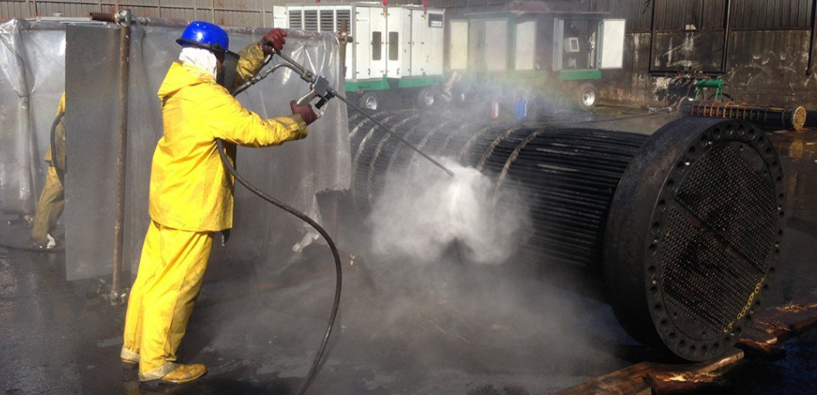
Industrial cleaning often requires more than standard washing methods. In demanding environments, water pressure can determine how effectively dirt, scale, grease, and other buildup are removed. Hydro Lancing Services in Mexico use controlled high-pressure water to clean industrial equipment, pipelines, tanks, heat exchangers, and other surfaces. Understanding the role of pressure can help facilities choose appropriate cleaning methods while protecting equipment from unnecessary damage.
Understanding Water Pressure in Industrial Cleaning
Water pressure refers to the force used to direct water against a surface. In industrial cleaning, pressure is carefully selected according to the material, type of contamination, equipment design, and cleaning objective.
Higher pressure does not always mean better cleaning. Excessive pressure can damage sensitive surfaces, coatings, seals, or components. On the other hand, insufficient pressure may leave stubborn deposits behind. Professional cleaning teams therefore consider both pressure and water flow when planning a job.
The right combination can provide strong cleaning performance without creating unnecessary risks.
How High Pressure Removes Contamination
Industrial equipment can collect difficult deposits over time. These may include grease, oil, rust, mineral scale, sludge, mud, and chemical residue. Some deposits become tightly attached to metal surfaces and cannot be removed efficiently with conventional cleaning techniques.
High-pressure water creates mechanical force against the buildup. When the water stream reaches the contaminated surface, it can break apart deposits and separate them from the equipment.
The effectiveness depends on several factors. These include pressure, flow rate, nozzle design, distance from the surface, water temperature, and the type of contamination. A trained operator adjusts these factors to achieve the required cleaning result.
The Importance of Choosing the Right Pressure
Different industrial surfaces require different cleaning pressures. Heavy steel equipment may tolerate stronger water streams than delicate components or surfaces with protective coatings.
Using excessive pressure can cause problems such as surface erosion, coating damage, deformation, or damage to vulnerable components. It can also increase the possibility of water entering areas that should remain protected.
Using pressure that is too low can create the opposite problem. Operators may need to spend more time cleaning the same area, increasing labor requirements and water consumption.
Professional hydro lancing teams assess the equipment before selecting the appropriate pressure. This helps balance cleaning power, efficiency, and equipment protection.
Water Flow Also Matters
Pressure is only one part of industrial cleaning performance. Water flow, usually measured by volume over time, also influences how much contamination can be removed.
Pressure provides the force needed to break deposits away from a surface. Water flow helps carry loosened material away from the cleaning area.
For example, a high-pressure stream with inadequate flow may have strong impact but limited ability to flush loosened debris. A properly balanced system can provide both impact and effective removal.
This is why industrial cleaning professionals consider pressure and flow together rather than focusing on pressure alone.
Nozzle Selection and Cleaning Efficiency
The nozzle controls how water is delivered to the surface. Different nozzle configurations can produce different spray patterns and levels of concentrated force.
A narrow stream can provide concentrated cleaning power for stubborn deposits. Wider spray patterns can cover larger surfaces more quickly. Rotating nozzles may help clean cylindrical or difficult-to-reach areas.
Choosing the appropriate nozzle can improve cleaning efficiency while reducing unnecessary water use. Operators may also adjust the distance and angle of the nozzle according to the surface and contamination.
Pressure and Different Types of Deposits
The type of buildup strongly affects the pressure required. Soft deposits such as loose mud may require less force than hardened mineral scale.
Grease and oil can also require a carefully selected cleaning approach. In some situations, water temperature and cleaning agents may complement pressure to improve results.
Hard scale, compacted residue, and other stubborn deposits may require specialized equipment and operating techniques. Professional hydro lancing services can evaluate the contamination and determine a suitable cleaning strategy.
Benefits of Proper Pressure Control
Proper pressure control can improve several aspects of industrial cleaning. One major benefit is more consistent results. When pressure is matched to the cleaning requirement, operators can work systematically across equipment and surfaces.
Efficient pressure selection can also reduce cleaning time. Removing deposits effectively during the first pass may reduce the need for repeated cleaning.
Another benefit is equipment protection. Controlled pressure helps reduce the likelihood of unnecessary surface damage. This can be particularly important when cleaning expensive industrial machinery or components with specialized coatings.
Proper pressure management can also support safer work practices when combined with trained operators, appropriate protective equipment, and established operating procedures.
Safety Considerations During Hydro Lancing
High-pressure water can be extremely powerful. Poor handling can create serious hazards for workers and equipment. Industrial hydro lancing should therefore be performed by trained professionals who understand equipment operation and site safety requirements.
Workers should use appropriate personal protective equipment and maintain safe distances from the water stream. Work areas may also need to be isolated to prevent unauthorized personnel from entering.
Before cleaning begins, operators should inspect hoses, connections, pumps, nozzles, and other equipment. They should also understand the condition and construction of the surface being cleaned.
These precautions help reduce risks while allowing the cleaning system to operate effectively.
How Pressure Affects Cleaning Costs
Water pressure can also influence the overall cost of an industrial cleaning project. Poorly selected pressure may increase labor time, water consumption, or equipment wear.
If pressure is too low, workers may spend longer removing contamination. If it is too high, equipment or surfaces may require repairs after cleaning.
A balanced approach can help facilities achieve the required cleaning standard without unnecessary resource use. Professional assessment can make it easier to determine the appropriate equipment and operating conditions for each application.
Choosing Professional Industrial Cleaning Services
Industrial cleaning involves more than directing a powerful water stream at a dirty surface. Effective results depend on equipment selection, pressure control, water flow, nozzle choice, operator experience, and safety procedures.
Professional Hydro Lancing Services in Mexico can provide specialized cleaning solutions for demanding industrial applications. Experienced technicians can assess the equipment and contamination before selecting a suitable cleaning approach.
By using controlled water pressure and appropriate techniques, industrial facilities can remove difficult deposits while protecting valuable equipment. The goal is not simply to use the highest possible pressure. Instead, successful industrial cleaning depends on using the right pressure, flow, and technique for the specific job.

https://www.rhiusa.com/hydro-lancing-mexico/ Mexico’s industrial economy runs on equipment that has to keep working — refineries along the Gulf Coast, petrochemical complexes in the Coatzacoalcos corridor, manufacturing plants across the Bajío, and the maquiladora belt stretching from Ciudad Juárez to Matamoros.







Comments (0)