

Custom Keyboard Packaging Boxes: Protecting Tech Products in Transit
Learn how custom keyboard packaging boxes protect mechanical keyboards in transit, reduce damage and support stronger branding. Practical advice for tech brands – improve your packaging today.


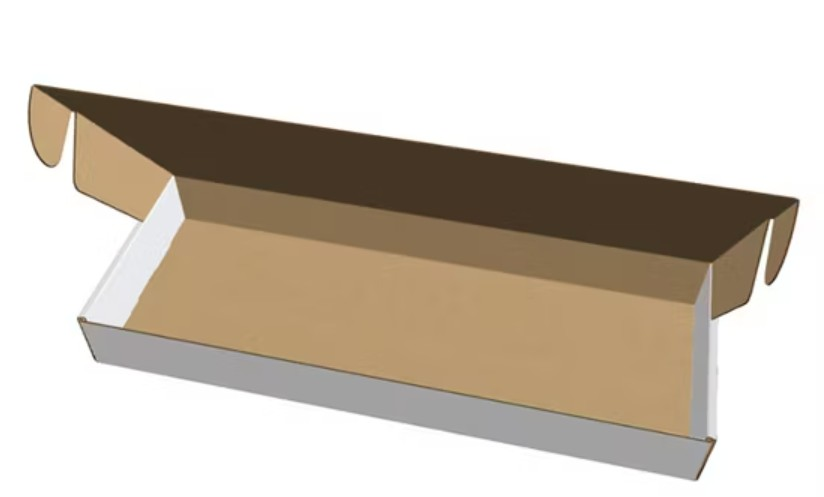
Mechanical keyboards and custom builds represent a significant investment for enthusiasts and professionals. Switches, keycaps, PCBs and aluminium cases can suffer damage if packaging fails during shipping. Custom keyboard packaging boxes give brands and sellers a reliable way to protect these components, reduce returns and present products in a way that matches the quality of the hardware inside. The right box absorbs impact, keeps parts secure and supports a stronger first impression when the package arrives.
Good packaging does more than prevent damage. It communicates care, reinforces brand standards and influences how customers perceive the product before they even plug it in.
Why Keyboards Need Specialised Packaging Protection
Keyboards contain multiple fragile elements. Mechanical switches can break if subjected to sharp impacts. Keycaps may crack or scuff. Aluminium or acrylic cases can dent or scratch. Standard cardboard often lacks the internal structure needed to keep these parts stable during courier handling.
Custom keyboard packaging boxes address these risks through precise sizing and internal supports. A proper fit reduces movement and limits the chance of components colliding inside the box. This protection is especially important for higher-value custom and limited-edition models where replacement parts are costly or hard to source.
Temperature changes and stacking pressure during transit add further challenges. Stronger board grades and thoughtful internal design help the packaging withstand these conditions without collapsing or transferring force to the product.
Designing for Secure Transit
Accurate measurement forms the foundation of effective protection. The box must accommodate the keyboard’s length, width and height, including any raised keycaps or additional accessories. Excess space allows the product to shift. A fit that is too tight can place pressure on switches or the case.
Internal trays, foam inserts or custom-moulded supports hold the keyboard in place and separate accessories such as cables, keycap pullers or extra switches. These features prevent parts from moving independently and reduce the risk of scratches or impact damage.
Corrugated board provides excellent shock absorption for heavier or more valuable keyboards. Lighter card may suit compact or lower-profile models, provided the structure remains rigid enough for stacking and handling.
Balancing Protection with Unboxing Experience
The keyboard community places high value on unboxing. Customers often share photos and videos of the moment they open a new board. Packaging that feels substantial and well organised enhances this experience and supports positive reviews.
A clean exterior with clear branding sets expectations before the box is opened. Inside, neat arrangement of the keyboard and accessories creates a sense of care. Avoid excessive tape or complicated packing methods that frustrate the recipient.
The goal is packaging that protects during transit and still feels considered when opened. Overly industrial designs can undermine the premium feel many custom keyboard brands aim to achieve.
Material Choices for Tech Products
Board strength and surface finish both matter. Higher-grade corrugated options handle impact better and resist crushing when packages are stacked. Smooth outer surfaces accept print cleanly and resist scuffing during handling.
Some brands prefer kraft board for a more understated, technical appearance. Others choose white or coloured board to match specific brand colours. The material should support both the structural needs of the product and the visual identity of the brand.
Moisture resistance can be relevant for longer shipping routes or storage in varying conditions. Coatings or laminates help maintain board integrity without adding unnecessary weight.
Supporting Brand Identity on the Outside
Custom keyboard packaging boxes offer valuable branding space. Clear logos, consistent colours and concise product information help the package stand out in a delivery pile and reinforce recognition.
Many keyboard brands use packaging to communicate key specifications such as switch type, layout or connection method. Readable typography and a clean hierarchy make this information easy to find without cluttering the design.
Restrained design usually works best. Too much text or overly complex graphics can distract from the product and weaken the professional impression. Focus on the elements that matter most to the customer.
Practical Considerations for Different Keyboard Types
Full-size, tenkeyless, 75 percent and compact layouts each require different internal dimensions. Custom designs can accommodate these variations while maintaining a consistent external brand look. This flexibility supports ranges that include multiple form factors.
Heavier aluminium or wood cases need stronger structures and better internal cushioning. Lighter plastic or low-profile boards may work with simpler supports, provided movement is still controlled.
Accessories such as coiled cables, desk mats or additional keycap sets often ship with the keyboard. Planning space and separation for these items prevents damage and keeps the presentation organised.
Sustainability and Customer Expectations
Many keyboard enthusiasts pay attention to environmental impact. Recyclable board and minimal plastic inserts align with the preferences of a growing number of buyers. Clear disposal information printed on the box supports responsible end-of-life handling.
Reducing excess packaging also helps. A well-proportioned structure that fits the product closely uses less material while still providing protection. Efficient design benefits both costs and environmental performance.
Transparent communication about material choices builds credibility. Brands that explain their packaging decisions clearly tend to earn more trust than those making vague claims.
Common Packaging Mistakes to Avoid
One frequent error is relying on excessive void fill instead of proper internal structure. Loose packing materials can shift and fail to protect critical areas. Custom supports that hold the keyboard firmly produce more consistent results.
Another issue involves underestimating board strength. A box that appears adequate when empty may collapse under stacking pressure or during rough handling. Testing with realistic weights and conditions helps identify weaknesses early.
Ignoring the unboxing experience can also create problems. Packaging that is difficult to open or presents the product poorly may generate negative feedback even when the keyboard itself is excellent.
Planning and Specifying Effective Packaging
Accurate product measurements and clear brand guidelines form the starting point. Share details about weight, dimensions, fragile elements and any accessories that travel with the keyboard. This information shapes practical recommendations and reduces the need for later revisions.
Requesting physical samples allows real-world testing. Checking fit, strength and print quality under normal conditions reveals issues that digital designs cannot show. Feedback at this stage leads to better final results.
Consider order volumes carefully. Smaller runs suit new products or limited editions. Larger quantities usually lower the unit cost and support consistent branding as sales grow.
The Impact of Reliable Packaging on Brand Reputation
Keyboard buyers often invest significant time and money in their purchases. Packaging that arrives damaged or fails to protect the product creates immediate frustration and can damage trust. Consistent, well-designed packaging reduces these risks and supports stronger customer relationships.
Positive unboxing experiences frequently appear in reviews and community discussions. These organic signals reinforce brand reputation and encourage recommendations within enthusiast groups.
Moving Forward with Better Keyboard Packaging
Custom keyboard packaging boxes give brands a practical way to protect sensitive tech products during transit while supporting clear branding and a better customer experience. They address the specific challenges of mechanical switches, keycaps and premium cases through precise fit, internal support and appropriate materials.
The most effective packaging balances structural performance with thoughtful presentation. Brands that prioritise protection, accurate sizing and restrained design gain an advantage in a market where both product quality and unboxing matter.
Review your current packaging against the needs of your keyboards and customers. Identify where stronger construction, better internal support or clearer branding would make the greatest difference. Taking a focused approach helps you create packaging that protects your products and strengthens the impression you leave with every shipment.



Comments (0)