

Why Patient Record Digitization Is Reshaping Modern Healthcare Practices


A Filing Cabinet Can Cost More Than Anyone Expects
A single misplaced chart can delay a diagnosis, frustrate a clinician, and expose a practice to compliance trouble within hours. Paper records remain common across clinics, hospitals, and specialty offices, yet their limitations grow more visible every year. Converting those records into searchable digital files through a Patient File Scanning Service offers a practical route toward faster retrieval, safer storage, and smoother collaboration among care teams. This article examines why healthcare organizations are moving away from paper, how digitization works in practice, and what benefits and considerations shape a successful transition to electronic records.
The Hidden Burden of Paper-Based Record Keeping
Paper charts demand physical space, staff hours, and constant vigilance. Storage rooms fill quickly, and locating a specific folder often requires manual searching through rows of labeled boxes. Files can be misfiled, damaged by water or fire, or lost entirely during relocations. Each of these risks carries a cost, whether measured in wasted salary time, repeated tests, or regulatory penalties. Rent for off-site archives adds another recurring expense. Because only one person can usually hold a physical chart at a time, collaboration between departments slows down, and patients may wait longer than necessary for answers.
How the Digitization Process Moves From Folder to Database
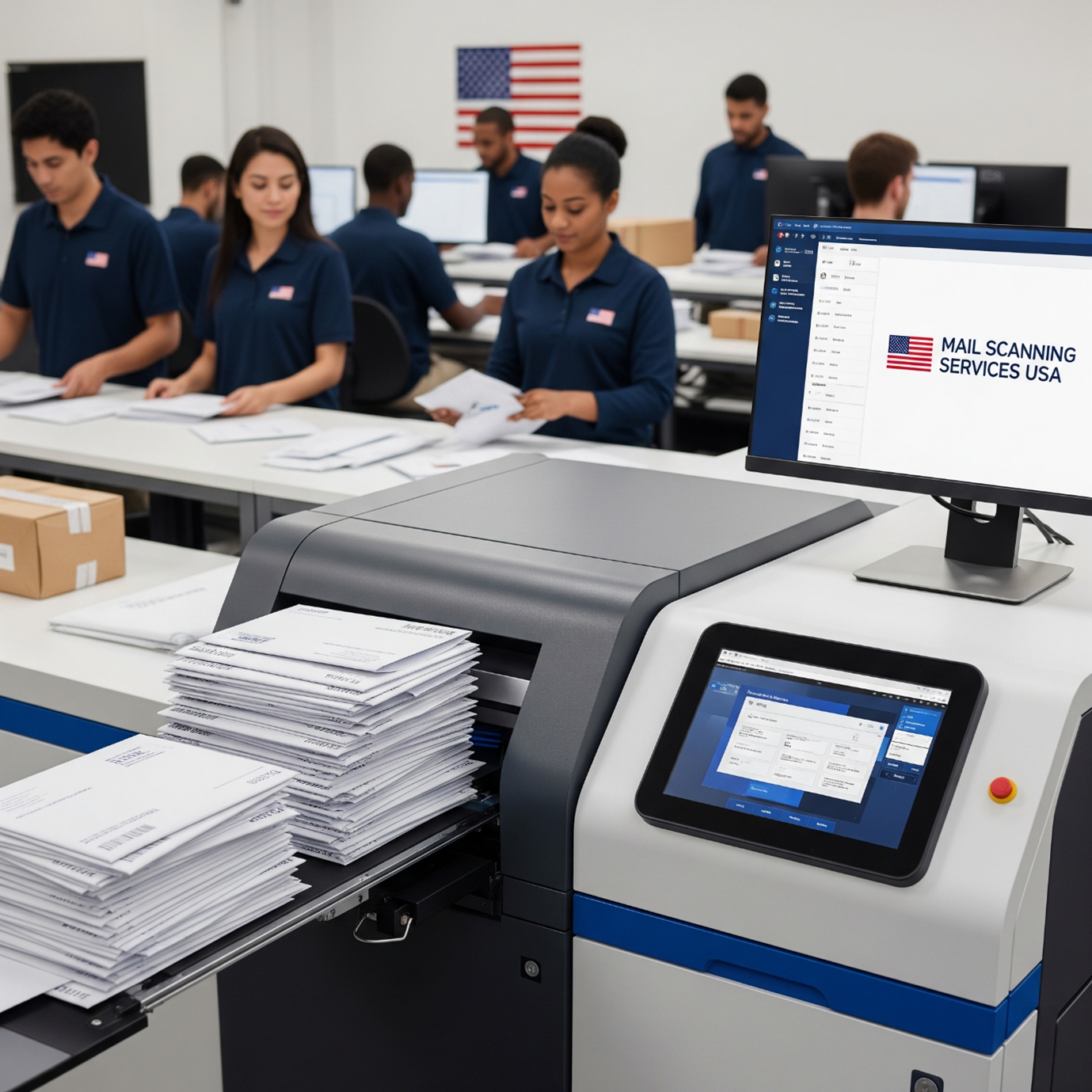
The conversion process typically begins with an audit of existing files, followed by sorting, removal of staples and paper clips, and preparation for imaging. High-speed scanners then capture each page, while quality-control steps verify clarity and completeness. Optical character recognition converts printed text into searchable content, and indexing assigns identifiers such as patient name, date of birth, or visit date. The resulting files are stored in secure repositories or integrated with electronic health record platforms. Finally, originals are either returned, archived, or destroyed according to the retention rules that apply to the organization.
Local Expertise Shapes Faster and Smoother Projects
Geography matters more than many practices expect when selecting a conversion partner. On-site pickup, shorter turnaround times, and familiarity with regional regulations all contribute to a smoother project. For medical offices, law firms, and businesses in the San Fernando Valley, professional Document Scanning Woodland Hills providers can reduce transit risks and make it easier to schedule secure collection of sensitive boxes. Local teams also tend to be more accessible for questions during the project, which helps resolve indexing issues quickly. Proximity does not replace credentials, but it adds convenience and accountability to the arrangement.
Security and Compliance Remain the Central Concerns
Health information is among the most sensitive data any organization handles, so digitization must follow strict safeguards. HIPAA requires administrative, physical, and technical protections for protected health information, and a scanning vendor typically operates as a business associate under a formal agreement. Reliable providers use background-checked staff, controlled access areas, encrypted transfers, and documented chain-of-custody procedures. Audit trails record who viewed or modified each file. Practices should request evidence of these controls, review certifications, and confirm how destroyed paper is handled, since a gap at any stage can undermine the benefits of going digital.
Everyday Efficiency Gains That Staff and Patients Notice
Once records are searchable, front-desk and clinical staff can retrieve a chart in seconds rather than minutes. Multiple providers can view the same file simultaneously, which supports coordinated care and reduces duplicate testing. Patients benefit from quicker responses to records requests, shorter check-in delays, and fewer errors caused by illegible handwriting or missing pages. Administrative teams spend less time filing and more time on tasks that support care. Over several months, these small improvements add up, freeing physical space and improving morale among employees who previously spent hours hunting for paperwork.
Planning a Transition That Avoids Common Pitfalls
Successful projects start with clear goals. Practices should decide which records to convert first, whether to scan active charts, archived files, or both, and how long retention periods require originals to be kept. Staff training on the new system is equally important, as is a pilot batch to test indexing accuracy before full production begins. Budget estimates should include scanning, indexing, storage, and software integration. Backup and disaster recovery plans must also be defined early. Careful preparation prevents costly rework and ensures that the digital archive remains accurate, organized, and genuinely useful.
Conclusion: Turning Paper Into a Lasting Digital Asset
Digitizing medical records is no longer a luxury reserved for large hospitals; it is a practical step for organizations of every size that want faster access, stronger security, and lower storage costs. Businesses seeking dependable support can explore Access Scanning Document Services, which can be reached at [insert website URL], for more information about available options. Thoughtful planning, attention to compliance, and a careful choice of partner remain the keys to success. With these elements in place, a once-bulky archive becomes a searchable, protected resource that supports better care for years to come.
Social Media Details:-











Comments (0)