

Swimming Pool Renovation Ideas for a Safer and More Comfortable Backyard
Explore swimming pool renovation ideas to create a safer and more comfortable backyard with improved pool features, better functionality, and a relaxing outdoor environment.
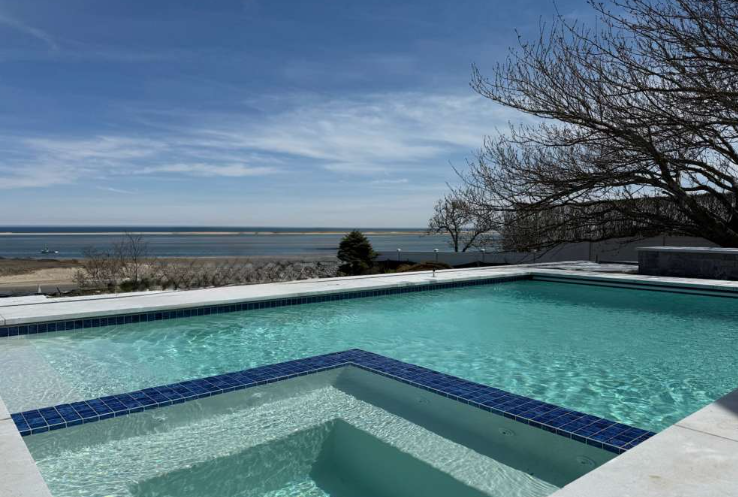
A swimming pool can become one of the most enjoyable features of a home, but its condition and design can change over time. Worn surfaces, damaged steps, outdated equipment, and uncomfortable surrounding areas may reduce the pleasure of using the pool. In some cases, these problems can also create safety concerns for swimmers and guests.
A carefully planned swimming pool renovation can improve both the appearance and practical use of an outdoor pool. Homeowners can repair damaged areas, improve access, update important systems, and create a more comfortable environment for everyone. With professional assistance from Affordable Pool Repair, it becomes easier to identify suitable improvements and plan a renovation that matches the property’s needs.
Review Pool Safety Features and Access Points
Safety should be one of the first considerations in any pool improvement project. As a pool ages, steps, ladders, handrails, coping, and walking surfaces may become damaged or less convenient to use.
Pool steps should be inspected for cracks, loose materials, sharp edges, and slippery areas. If the steps are difficult to see, homeowners may consider improvements that create better contrast between the pool surface and entry points.
Handrails can also be useful for children, older adults, and anyone who needs additional support when entering or leaving the water. Their placement should be practical and should not obstruct normal movement around the pool.
The pool deck should be checked for uneven areas and damaged paving. Cracks and raised sections may create tripping hazards, especially when the surface is wet. Repairs or replacement should be considered when these problems appear.
Gates, barriers, and access points should also be reviewed according to applicable local safety requirements. A professional can help identify areas that may need attention and recommend suitable solutions.
Making safety part of the renovation plan can help create a pool environment that is more comfortable and reassuring for the entire household.
Improve Pool Entry and Exit Options
Entering and leaving the pool should be simple and convenient for all users. Older pools may have narrow steps, uncomfortable ladders, or entry points that no longer meet the needs of the household.
During swimming pool renovation, homeowners can consider whether the existing entry design is suitable. Depending on the pool’s structure, improvements may include repairing steps, replacing ladders, adding handrails, or creating a more accessible entry area.
The best option depends on the pool’s depth, shape, construction, and the people who use it. Families with young children may prefer broad steps with gradual entry, while other households may benefit from stronger handrails or easier access features.
Visibility is another important factor. Entry points should be easy to identify, particularly during evening use. Appropriate lighting and contrasting materials may help swimmers recognize steps and edges more easily.
Any changes to the pool structure should be carefully planned. Poorly designed modifications may affect circulation, water depth, or the strength of the surrounding structure.
Improving entry and exit areas can make the pool more practical for everyday use while supporting a more welcoming experience for guests.
Replace Damaged Pool Edges and Coping
Pool coping forms the edge between the pool interior and the surrounding deck. It contributes to the pool’s appearance while helping define the boundary around the water.
Over time, coping may crack, loosen, discolor, or become uneven. Damaged coping can make the pool look older and may create uncomfortable or unsafe edges for swimmers.
Replacing worn coping can provide a cleaner finish and create a more coordinated appearance. Homeowners can select materials that complement the pool surface, deck, and overall landscape design.
The material should be suitable for outdoor use and exposure to water, sunlight, and changing temperatures. Its texture should also be considered because smooth or unsuitable surfaces may become slippery when wet.
The condition beneath the coping should be reviewed before replacement. If the supporting structure has shifted or deteriorated, those issues may need to be repaired first.
A professional assessment can help determine whether selected sections require repair or whether a complete replacement would be more appropriate. Proper installation can improve the pool’s appearance and help support long-term durability.
Create a More Comfortable Poolside Environment
The area surrounding a swimming pool can have a major effect on how often and how comfortably it is used. A pool may be in good condition, but an uncomfortable deck or lack of shade can make the outdoor space less enjoyable.
Homeowners may consider adding shaded seating areas, umbrellas, pergolas, or other suitable features. Shade can be especially useful during hot weather, allowing family members to relax near the pool without remaining in direct sunlight.
Comfortable furniture can also improve the way the area is used. Lounge chairs, outdoor seating, and small tables may provide convenient spaces for reading, relaxing, or spending time with guests.
The layout should remain open and practical. Furniture should not block steps, gates, equipment access, or important walking routes. Materials should also be appropriate for outdoor conditions and regular exposure to moisture.
Landscaping can contribute to the overall atmosphere. Suitable plants may provide privacy and visual appeal, but they should be selected carefully to avoid excessive leaves, invasive roots, or difficult maintenance.
A balanced poolside design can make the backyard feel more inviting while keeping daily care manageable.
Upgrade Pool Equipment for Reliable Performance
Pool equipment plays an important role in water quality, comfort, and operating efficiency. Pumps, filters, heaters, valves, and plumbing components may become less reliable as they age.
During renovation, homeowners should have the main equipment inspected by a qualified professional. The goal is to determine whether the current system is operating correctly and whether repairs, servicing, or replacement may be needed.
The pump should be suitable for the pool’s size and plumbing configuration. An incorrectly sized pump may affect circulation and could create unnecessary operating costs.
Filters should also be checked for blockages, damage, and poor performance. A suitable filtration system can help remove particles from the water, but it still requires regular cleaning and maintenance.
Homeowners who want to use the pool during cooler weather may also review heating options. The right heating system depends on the pool’s size, climate, usage patterns, and available energy source.
Equipment upgrades should be based on practical requirements rather than appearance alone. Professional advice can help ensure that new components work appropriately with the existing pool system.
Improve Pool Lighting and Evening Visibility
Pool lighting can add atmosphere while helping people see steps, edges, pathways, and other important areas after sunset. Poor lighting may make evening swimming and movement around the pool less comfortable.
Underwater lights can highlight the shape of the pool and create a pleasant visual effect. Pathway and deck lighting may improve visibility around seating areas, steps, and walking routes.
Lighting should be positioned to reduce glare and avoid creating dark sections around the pool. A balanced arrangement is generally more useful than installing bright fixtures in only one area.
Modern lighting options may also provide different brightness levels and operating features. Homeowners should select fixtures that are designed for the intended location and suitable for use near water.
Electrical work must be completed by qualified professionals who understand the safety requirements for pool environments. Incorrect installation can create serious risks.
A lighting review can be especially helpful when other renovation work is already planned. Installing or updating fixtures during the project may reduce the need for future disruption.
Choose Materials That Suit Your Lifestyle
The materials selected during renovation should match the way the pool is used. A beautiful finish may not be the best choice if it requires excessive care or does not suit the local environment.
Homeowners should consider durability, texture, cleaning requirements, color, water exposure, and resistance to sunlight when choosing pool surfaces, tiles, coping, and deck materials.
Families with frequent pool use may prefer finishes that are comfortable and practical for regular swimming. Homeowners who want to reduce maintenance may prioritize materials that are easier to clean and less likely to show common signs of wear.
The surrounding climate should also influence material selection. Temperature changes, strong sunlight, rain, and moisture can affect outdoor surfaces over time.
A professional pool renovation company can explain the strengths and limitations of different materials. Clear advice can help homeowners avoid choosing a product based only on its appearance.
Affordable Pool Repair can assist homeowners in reviewing repair and renovation options based on the existing pool and the intended results. A detailed assessment can help determine which materials and improvements are most suitable.
Prepare for Ongoing Care After Renovation
Renovation can improve a pool’s condition, but regular maintenance remains necessary to protect the results. Homeowners should understand the care requirements of every new surface, fixture, and equipment system.
Water chemistry should be tested regularly to help maintain suitable conditions for swimmers and protect the pool finish. Cleaning routines should include removing debris, brushing surfaces, checking baskets, and inspecting visible equipment.
The pool deck, coping, steps, and tiles should be reviewed for signs of damage. Small cracks, loose materials, or unusual water loss should be investigated promptly.
Equipment should be serviced according to the manufacturer’s recommendations. Filters, pumps, heaters, and lighting systems may require different inspection and cleaning schedules.
It is also helpful to keep records of repairs, water testing, and equipment servicing. Organized maintenance information can make it easier to identify recurring problems and plan future work.
A renovation is most valuable when homeowners protect the improvements through consistent care. Proper maintenance can help the pool remain attractive, safe, and functional for many years.
A well-planned swimming pool renovation can do more than refresh an older pool’s appearance. It can improve entry points, repair damaged edges, create a more comfortable poolside area, upgrade equipment, and support safer use after dark. By choosing suitable materials and planning for ongoing maintenance, homeowners can make better use of their outdoor space. With dependable guidance from Affordable Pool Repair, a pool renovation can become a practical investment in comfort, safety, and long-term enjoyment.

Discover practical swimming pool renovation improvements that simplify pool maintenance, enhance efficiency, and help keep your pool clean, functional, and enjoyable.







Comments (0)