

Peptide Therapy in Dubai: Risks and Side Effects
An honest look at the risks and side effects of peptide therapy in Dubai — local reactions, systemic effects, interactions, and how risk is managed.

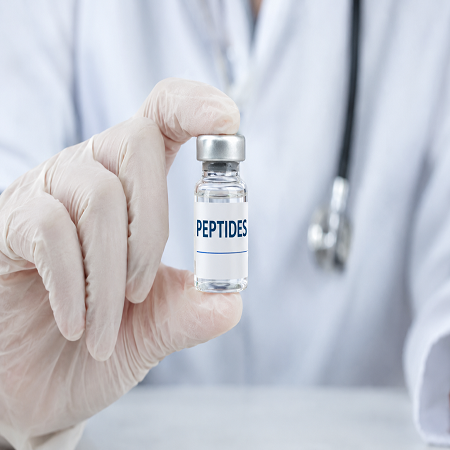
Every medical treatment carries some degree of risk, and pretending otherwise does patients no favours. If you are considering peptide therapy in Dubai, you are entitled to a frank account of what can go wrong, how often problems arise, and which risks are manageable versus which should give you pause. This article sets out those risks plainly, without alarmism and without the reassurance-by-omission that marks weaker content on this subject.
Risk Starts With the Product
Before discussing the body's response, it is worth addressing the most controllable variable: what is actually being administered. In unregulated supply chains, risks include contamination, incorrect concentration, degradation from poor storage, and mislabelled contents.
These are not theoretical. They are the reason regulated sourcing and clinical accountability matter. A correctly chosen peptide from an unreliable source is still a risk.
Reactions at the Administration Site
For injectable peptides, local effects are among the most commonly reported. Patients may notice:
-
Redness, warmth, or swelling
-
Tenderness or a small lump
-
Mild bruising
-
Itching or irritation
Most local reactions are transient and settle without intervention. Persistent, spreading, or painful reactions warrant prompt clinical review rather than waiting.
Systemic Effects to Watch For
Depending on the compound, systemic effects may occur. These can include fatigue, headache, changes in appetite or sleep, or shifts in mood. Some peptides influence hormonal or metabolic pathways, which means effects may extend beyond the intended target.
This is why monitoring exists. A clinician can distinguish between a predictable adjustment and something requiring discontinuation.
Peptide Therapy in Dubai: Allergic and Hypersensitivity Reactions
Allergic reactions are uncommon but possible with any injectable or systemic agent. Mild presentations may involve rash or itching. More serious reactions — difficulty breathing, facial swelling, widespread hives — require urgent medical attention.
Patients with known sensitivities should disclose them fully during assessment, and any prior reaction to a peptide should be reported before further use is considered.
Interactions With Other Treatments
Peptides may interact with prescription medications, particularly those affecting hormonal, metabolic, or immune pathways. Patients taking multiple medications, or those under treatment for chronic conditions, need this reviewed carefully before starting anything.
Supplements matter too. Patients often omit them from their history, assuming they are harmless. Some are not, in combination.
Uncertainty Around Long-Term Use
For compounds with limited long-term human data, the honest position is that the full risk profile is not established. This does not mean harm is likely — it means it has not been ruled out.
Patients should weigh this uncertainty against their goals. For some, a cautious trial with monitoring is reasonable. For others, particularly those with significant health conditions, the uncertainty may tip the balance against proceeding.
Peptide Therapy in Dubai: Who Faces Higher Risk
Certain groups warrant greater caution:
-
Pregnant or breastfeeding individuals
-
Those with a history of hormone-sensitive conditions
-
Patients with active cancer or recent treatment
-
Individuals with significant cardiovascular, renal, or hepatic disease
-
Those taking multiple interacting medications
This does not automatically exclude treatment, but it raises the threshold for justification and monitoring.
Reducing Risk in Practice
Risk cannot be eliminated, but it can be managed. Practical steps include:
-
Complete and honest disclosure of medical history
-
Verified sourcing through regulated channels
-
Clear written instructions on dosing and storage
-
Scheduled follow-up rather than open-ended use
-
Prompt reporting of any unexpected symptom
-
Willingness to stop when benefit does not justify continuation
Most of these depend on the clinic as much as the patient.
The Question of Stopping
Patients sometimes persist with treatment because they have invested time and money. This is understandable but unwise. If tolerability is poor, if monitoring reveals concerns, or if the expected benefit has not emerged, discontinuation is a reasonable clinical decision — not a failure.
Where Tajmeels Clinic in Dubai Stands
Risk management is a clinical discipline, not a disclaimer. Tajmeels Clinic in Dubai approaches peptide therapy with structured assessment, transparent discussion of known and unknown risks, and monitoring that continues for as long as treatment does. The aim is to ensure patients understand what they are undertaking before they undertake it.
Final Word
Peptide therapy is not risk-free, and any source suggesting otherwise should be treated sceptically. Some risks are manageable with proper oversight; others reflect genuine uncertainty that patients should factor into their decision. For anyone considering peptide therapy in Dubai, the responsible path is a full disclosure of risks, a clear monitoring plan, and the freedom to stop. That is what informed consent actually looks like.
Ready for a Change? Book Your Consultation Today
WhatsApp: +971 56 203 8751
Phone: +971 4 373 9000
Social Media:












Comments (0)