

How Smart Document Digitization Turns Paper Clutter Into Searchable Assets


A Single Lost File Can Stall an Entire Business
Somewhere in a cramped storage room, a manager spends an entire afternoon hunting for one signed contract. The deadline passes, the client grows impatient, and the search ends without a result. Situations like this repeat across offices every day, quietly draining time and money. Paper records pile up faster than anyone can organize them, and the cost of handling them rises each year. Digitization offers a practical way out. This article explains how converting physical records into structured digital assets improves access, security, compliance, and long-term efficiency for organizations of every size.
Why Paper Records Become a Hidden Liability
Physical documents seem harmless until their true cost is measured. Filing cabinets occupy expensive floor space, and staff members lose hours retrieving single pages. Fire, flooding, and simple misplacement can erase irreplaceable records within moments. Auditors and regulators also expect rapid access to historical files, which paper storage rarely allows. Over time, these small inefficiencies add up to serious financial strain. Organizations that continue relying on manual filing often discover the problem only during a crisis, when a missing document delays a payment, a legal response, or an important decision. Digital conversion removes these risks at the root.
Turning Scanned Images Into Searchable Text
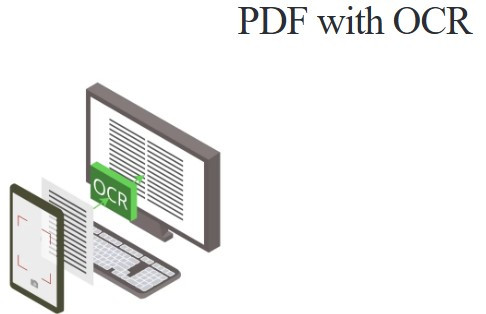
A basic scan only produces a picture of a page, and pictures cannot be searched. Professional workflows solve this limitation by adding an OCR Document Scanning Service that reads the characters on each page and converts them into editable, indexed text. Employees can then locate an invoice, clause, or customer name within seconds by typing a few words. Accuracy depends on image quality, language support, and careful verification, so trained operators usually review difficult pages. The result is a library that behaves like a database rather than a stack of static images, saving effort every single day.
Preparing Documents Before Scanning Begins
Good results begin long before a page touches the scanner. Staples, paper clips, and sticky notes must be removed, and torn or folded sheets need gentle repair. Documents are then sorted into logical batches, such as departments, years, or client names, so that the digital folders mirror real business processes. Separator sheets and barcodes can mark where one record ends and the next begins. This preparation stage may seem tedious, yet it prevents indexing errors, reduces rescans, and shortens the overall project timeline considerably. Skipping it often leads to confusing archives that are difficult to trust or navigate.
Building a Reliable Digital Storage Structure
Once files are digitized, they need a home that remains organized for years. Well-planned Business Document Archiving Services assign consistent naming rules, metadata tags, retention schedules, and access permissions so every record can be found and protected. Folder hierarchies should reflect how employees actually think about their work, not how an administrator imagines it. Backups stored in separate locations guard against hardware failure, while version control prevents accidental overwriting. When the structure is designed carefully from the beginning, the archive continues to serve the organization smoothly even as the volume of stored material grows each year.
Security, Privacy, and Regulatory Compliance
Sensitive records such as contracts, medical files, tax papers, and employee data demand strict protection. Digital archives allow administrators to control exactly who can view, edit, or download each item, and activity logs show every interaction. Encryption protects files during storage and transfer, reducing the chance of unauthorized exposure. Retention rules help organizations keep documents for the legally required period and dispose of them safely afterward. Compared with unlocked cabinets and shared storage rooms, a managed digital repository offers far stronger oversight, making audits less stressful and demonstrating responsible handling of confidential information to clients and regulators.
Measuring the Financial Return of Digitization
The financial case for digitization becomes clear when hidden expenses are counted. Reduced printing, lower storage rental, and fewer hours spent on retrieval all contribute to measurable savings. Remote access allows teams in different cities to review the same record at once, which speeds up approvals and customer responses. Disaster recovery costs also fall because duplicate copies exist outside the office. Although the initial project requires planning and investment, most organizations recover that cost through productivity gains within a reasonable period. Better information flow also improves decision quality, an advantage that is harder to measure but equally valuable.
Conclusion: Turning Records Into Lasting Value
Digitizing records is no longer a luxury reserved for large corporations. Companies that rely on dependable partners such as Access Scanning Document Services can convert aging paper archives into organized, searchable, and secure digital libraries without disrupting daily operations. The steps discussed here, including careful preparation, accurate text recognition, structured storage, and strong security, work together to protect information and save time. Organizations that begin the transition early gain faster access, lower costs, and greater confidence during audits. A well-managed digital archive ultimately becomes a lasting business asset rather than a burden.
Social Media Details:-











Comments (0)