Loan Origination System Software: Streamlining Modern Lending
Discover how loan origination system software streamlines lending, automates workflows, improves decision-making, reduces costs, and enhances the borrower experience.
 lucaswilly
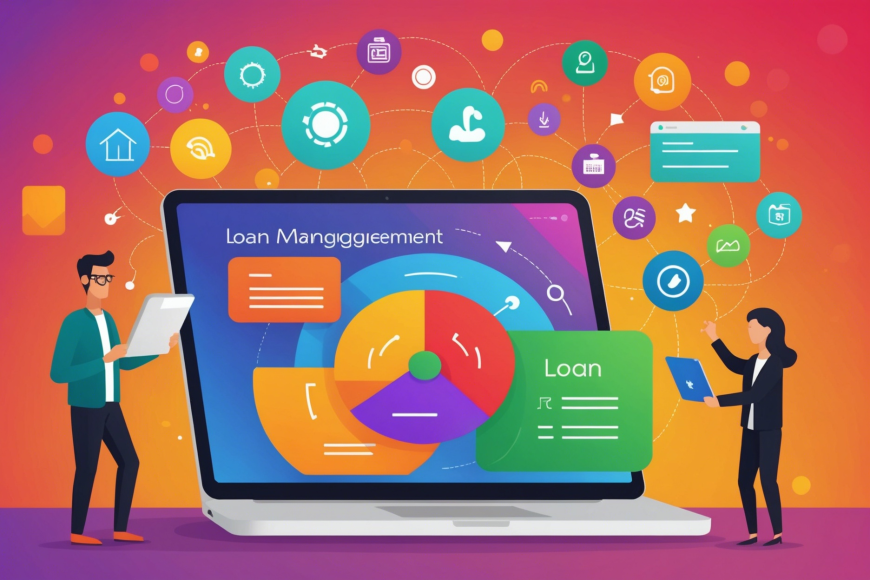
A Loan Origination System (LOS) is software designed to automate and manage the lending process from the initial loan application through approval, documentation, and disbursement. As financial institutions face growing customer expectations, regulatory requirements, and operational complexity, loan origination system software has become an essential part of modern lending operations.
What Is Loan Origination System Software?
Loan origination system software provides a centralized platform for managing the complete loan application lifecycle. Instead of relying on spreadsheets, emails, paper documents, and disconnected systems, lenders can use an LOS to automate workflows and bring borrower information, credit data, underwriting, documentation, and approvals into one environment.
The software can support different types of lending, including personal loans, business loans, mortgages, auto loans, and other credit products.
How Does a Loan Origination System Work?
A typical loan origination process includes several stages:
- Loan Application – Borrowers submit their personal, financial, and loan-related information through an online or assisted application.
- Data Collection and Verification – The system collects required documents and validates information.
- Credit Assessment – Credit reports, financial information, and other relevant data are analyzed.
- Underwriting – Automated rules and underwriting workflows help determine whether the application meets lending criteria.
- Approval or Rejection – Applications are routed to the appropriate decision-makers based on predefined rules.
- Documentation – Loan agreements and other required documents are generated and managed.
- Disbursement – Once all conditions are satisfied, the approved loan can be prepared for funding.
- Handoff to Servicing – Relevant loan information can be transferred to a loan servicing or core banking system.
Automation across these stages can reduce manual work and help lenders process applications more consistently.
Key Features of Loan Origination Software
Modern LOS platforms commonly include a range of features designed to improve efficiency and control.
Digital Loan Applications
Borrowers can apply online using web or mobile interfaces. Digital applications can reduce paperwork while making it easier for lenders to capture structured information.
Automated Credit and Risk Assessment
An LOS can integrate with credit bureaus and other data providers to support credit evaluation. Rules-based decisioning can also help lenders apply consistent eligibility criteria.
Workflow Automation
Loan applications can automatically move between departments, employees, and approval stages. Automated notifications and task assignments help reduce delays.
Document Management
The software can collect, organize, verify, and store documents associated with an application, making it easier for lenders to maintain complete loan files.
Underwriting and Decisioning
Configurable underwriting rules allow lenders to evaluate applications according to their specific lending policies. Some platforms also support sophisticated decision engines and data-driven risk models.
Compliance Management
Lending organizations must meet numerous regulatory and internal requirements. An LOS can provide workflows, audit trails, approval controls, and documentation to support compliance processes.
Reporting and Analytics
Dashboards and reports can help lenders monitor application volumes, approval rates, processing times, conversion rates, and other operational metrics.
Benefits of Loan Origination System Software
Implementing an LOS can provide benefits for both lenders and borrowers.
Faster processing: Automated workflows can reduce the time required to review and process applications.
Lower operational costs: Automation reduces repetitive administrative tasks and can allow employees to focus on higher-value activities.
Improved accuracy: Standardized data collection and automated calculations can reduce errors associated with manual processing.
Better customer experience: Digital applications, faster decisions, and real-time status updates can make borrowing more convenient.
Greater scalability: Automated processes allow lenders to handle higher application volumes without increasing manual workload at the same rate.
Improved visibility: Centralized information and reporting give managers better insight into the lending pipeline.
Choosing the Right Loan Origination System
When selecting loan origination software, financial institutions should consider more than just the feature list. The right platform should align with the organization's lending products, operational processes, technology environment, and growth plans.
Important considerations include:
- Ease of use for borrowers and lending staff
- Workflow customization
- Integration with banking and financial systems
- Credit bureau and third-party data integrations
- Security and access controls
- Compliance and audit capabilities
- Reporting and analytics
- API availability
- Scalability and performance
- Vendor support and implementation services
- Total cost of ownership
Cloud-based solutions may also offer advantages in terms of deployment, maintenance, scalability, and accessibility, although security, data governance, and regulatory requirements should be carefully evaluated.
The Future of Loan Origination
Loan origination is increasingly moving toward digital and automated processes. Artificial intelligence, machine learning, alternative data, electronic document processing, and advanced analytics are changing how lenders evaluate applications and manage workflows.
However, automation should be implemented carefully. Lending decisions can have significant financial consequences, so organizations need appropriate controls around data quality, explainability, security, fairness, compliance, and human oversight.
Conclusion
Loan origination system software has transformed lending by replacing many manual processes with digital workflows, automated decisioning, centralized data, and integrated document management. For lenders, the right LOS can improve operational efficiency, accelerate processing, strengthen controls, and create a smoother borrower experience.
As lending continues to become more digital, flexible and intelligent loan origination platforms will play an increasingly important role in helping financial institutions compete while managing risk and regulatory responsibilities.