8 Effective Anxiety Treatment Options in Richardson TX
Get expert Anxiety Treatment in Richardson, TX with Dr. Mayur Patel at Premier Psychiatry. Personalized care to manage anxiety and improve daily life.
 mypremierpsychiatry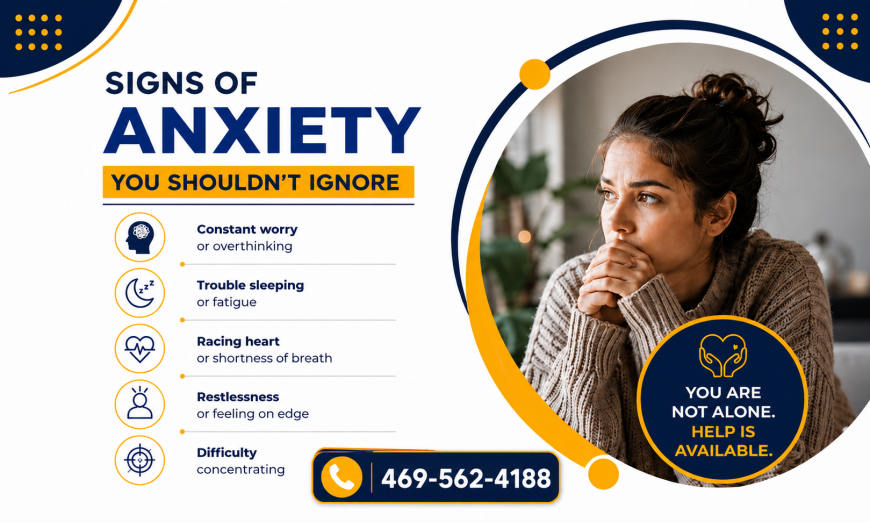
Anxiety can affect concentration, sleep, work, relationships, and the ability to enjoy everyday activities. Occasional worry is a normal response to stress, but persistent fear, racing thoughts, restlessness, muscle tension, or repeated panic can signal an anxiety disorder. Anxiety treatment in Richardson, TX can help identify the source of these symptoms and provide appropriate support based on their severity and impact.
Many people delay care because they assume anxiety will improve on its own. Others may avoid treatment because they are unsure if their symptoms are serious enough to discuss with a professional. The National Institute of Mental Health explains that anxiety disorders can interfere with daily activities and that effective treatments include psychotherapy, medication, or a combination of both.
Anxiety Treatment Options in Richardson
Anxiety treatment can take several forms, depending on the type of anxiety, symptoms, medical history, and treatment goals. A professional evaluation can help determine whether symptoms are related to generalized anxiety, panic disorder, social anxiety, or another condition. Treatment may also address depression, sleep problems, or other concerns that occur alongside anxiety.
People searching for an anxiety psychiatrist in Richardson TX may benefit from understanding the different options before choosing care. Some treatments focus on changing anxious thought patterns, while others use medication to reduce symptoms. The most appropriate approach depends on the individual rather than a single treatment being right for everyone.
1. Cognitive Behavioral Therapy for Anxiety
Cognitive behavioral therapy, or CBT, is a widely used treatment for anxiety disorders. It helps people recognize patterns of thoughts and behaviors that can increase fear or worry. During therapy, patients learn practical ways to respond differently to anxious thoughts and situations.
CBT is structured and usually involves skills that can be practiced between sessions. Depending on the anxiety disorder, therapy may include gradual exposure to situations that trigger fear. The goal is to help patients develop healthier responses instead of allowing anxiety to control daily decisions. CBT as a commonly used psychotherapy for several anxiety disorders.
2. Anxiety Medication Management
Medication may be considered when anxiety symptoms are persistent, severe, or difficult to manage with therapy alone. Several types of medications may be used for anxiety disorders, including certain antidepressants and other prescription options. The choice depends on the type of anxiety, other health conditions, current medications, and potential side effects.
Anxiety medication management Richardson involves monitoring the patient’s response instead of simply prescribing a medication and ending care. A psychiatrist may review symptom changes, sleep, mood, side effects, and daily functioning during follow-up visits. Medication should be taken only as prescribed, and patients should speak with their provider before making changes.
3. Generalized Anxiety Disorder Treatment
Generalized anxiety disorder involves excessive worry about several areas of life, often occurring more days than not over an extended period. A person may worry about finances, family, work, health, or ordinary responsibilities and find it difficult to control the worry. Physical symptoms can include restlessness, muscle tension, fatigue, irritability, and sleep problems.
Generalized anxiety disorder treatment Richardson may include psychotherapy, medication, or both. CBT can help patients identify unhelpful thinking patterns and develop practical coping skills. Medication may also be considered based on symptom severity and individual circumstances. A professional evaluation can help distinguish generalized anxiety from other conditions that may produce similar symptoms.
4. Panic Attack Treatment
Panic attacks can cause sudden and intense fear along with physical symptoms such as a racing heart, sweating, trembling, shortness of breath, dizziness, or chest sensations. Some people begin avoiding places where previous attacks occurred because they fear another episode. Repeated panic attacks and ongoing concern about future attacks may indicate panic disorder.
Panic attack treatment Richardson TX may involve psychotherapy, medication, or both. CBT can help people understand the relationship between physical sensations, fearful thoughts, and panic responses. A healthcare professional should also consider physical conditions that can cause similar symptoms before concluding that symptoms are caused by anxiety.
5. Exposure Based Anxiety Therapy
Exposure-based therapy helps patients gradually face situations, objects, sensations, or thoughts that trigger anxiety. Avoiding feared situations may provide temporary relief but can make the fear harder to manage over time. Exposure allows patients to practice responding to anxiety without automatically avoiding the trigger.
The process is structured and should be guided by a trained professional. The pace depends on the person’s symptoms and ability to participate in treatment. Exposure may be used for several anxiety-related conditions, including specific phobias and some forms of panic or social anxiety. A therapist can determine whether this approach is appropriate.
6. Psychiatric Evaluation for Anxiety
A psychiatric evaluation can help determine what type of anxiety symptoms a person is experiencing. Anxiety can occur alongside depression, ADHD, OCD, trauma-related conditions, sleep problems, and other mental health concerns. A complete assessment can help identify these issues instead of focusing on anxiety symptoms alone.
A psychiatrist may ask about the person’s symptoms, medical history, medications, sleep, mood, stress, and daily functioning. The evaluation can also help identify factors that may be increasing anxiety. Treatment recommendations are then based on the person’s overall situation rather than one symptom.
7. Combined Therapy and Medication
Some people may benefit from both psychotherapy and medication. Therapy can provide skills for managing anxious thoughts and behaviors, while medication may help reduce symptoms that make it difficult to participate fully in daily life or therapy.
Combined treatment is not necessary for everyone. A provider may recommend one approach first and monitor the response before adding another. The treatment plan can change over time depending on symptom improvement, side effects, personal preferences, and other health factors.
8. Ongoing Anxiety Follow Up Care
Anxiety treatment often requires continued follow-up because symptoms can change with stress, sleep, life circumstances, and other health conditions. Regular appointments give patients an opportunity to discuss improvements, ongoing concerns, medication effects, and difficulties using therapy skills.
Follow-up also helps providers determine whether the current approach remains appropriate. If symptoms are not improving, the provider may reassess the diagnosis or consider another treatment option. Ongoing care can be particularly useful for people with persistent anxiety or recurring panic attacks.
How Do You Choose Anxiety Treatment in Richardson?
Choosing anxiety care starts with understanding the type of symptoms you are experiencing and how much they interfere with daily life. Patients can ask providers about their experience treating anxiety disorders, available therapy options, medication management, follow-up care, and treatment for related conditions. These questions can help you find care that matches your needs.
A provider should also take time to understand your personal history. Anxiety can have different causes and patterns, so treatment decisions should not be based only on the most noticeable symptom. A careful assessment can help determine whether anxiety disorder treatment Richardson should focus on therapy, medication, both, or another approach.
When Should You See an Anxiety Psychiatrist?
Professional help may be appropriate when worry or fear is persistent, difficult to control, or interfering with work, relationships, sleep, or normal activities. Frequent panic attacks, avoidance, physical anxiety symptoms, or constant worry can also be reasons to seek an evaluation. Seeking professional help when anxiety symptoms begin causing problems in daily life.
An anxiety psychiatrist in Richardson TX can evaluate symptoms and consider treatment options based on your medical and mental health history. A psychiatrist can also assess whether medication may be appropriate and monitor its effects over time. If anxiety occurs with depression, OCD, ADHD, or another condition, treatment can take these concerns into account.
What Can You Expect From Anxiety Therapy in Richardson?
Anxiety therapy in Richardson TX may begin with a discussion about symptoms, triggers, thoughts, behaviors, sleep, relationships, and daily responsibilities. The therapist can then identify patterns that may be maintaining anxiety and introduce practical strategies. The exact approach depends on the type of anxiety and the patient’s treatment goals.
Therapy does not require a person to eliminate every worry from their life. Instead, treatment often focuses on reducing excessive fear and improving the ability to handle difficult thoughts, feelings, and situations. Progress can happen at different rates, and the treatment plan may be adjusted as the person’s needs change.
Conclusion
Anxiety can affect much more than a person’s mood. Persistent worry, panic, avoidance, and physical symptoms can interfere with everyday life when they continue without appropriate care. Evidence-based treatment can help people understand their symptoms and develop strategies to manage them. If anxiety is affecting your sleep, work, relationships, or daily activities, consider consulting with Mayur Patel, MD about your symptoms. An evaluation can help identify appropriate treatment options and determine whether therapy, medication management, or a combination may be suitable for your needs in Richardson, TX.
Frequently Asked Questions
What is the best treatment for anxiety?
There is no single treatment that works best for every person. CBT and other forms of psychotherapy are commonly used, while medication may also be appropriate. The choice depends on the type and severity of anxiety, medical history, treatment preferences, and previous treatment response.
Can anxiety cause physical symptoms?
Yes. Anxiety can cause physical symptoms such as increased heart rate, sweating, muscle tension, stomach problems, dizziness, trembling, and difficulty sleeping. Physical symptoms can vary between individuals. New, severe, or unexplained physical symptoms should be evaluated by a healthcare professional rather than automatically assumed to be anxiety.
How is generalized anxiety different from normal worry?
Normal worry is usually temporary and connected to a specific situation. Generalized anxiety disorder involves excessive and difficult-to-control worry about multiple areas of life that persists over time and causes significant distress or problems with daily functioning.
Can panic attacks happen without a clear reason?
Yes. Panic attacks can sometimes occur unexpectedly rather than following an obvious trigger. They can involve sudden fear and strong physical sensations. Repeated unexpected attacks or ongoing fear about having another attack may require evaluation for panic disorder.
Does anxiety medication work immediately?
Some anxiety medications can have effects relatively quickly, while others may take several weeks to provide their full benefit. The timing depends on the medication and individual response. A provider can explain what to expect from a specific prescription and monitor its effects.
Can anxiety be treated without medication?
Yes. Psychotherapy is an important treatment option for anxiety disorders, and some people improve with therapy without taking medication. CBT and exposure-based approaches are commonly used depending on the anxiety condition.