What Is Yoga and Meditation Teacher Training? A Complete Guide to Becoming a Certified Teacher
Discover everything about yoga and meditation teacher training, including certification, 200-hour courses, costs, requirements, career options, and how to choose the right program.
 lucaswilly
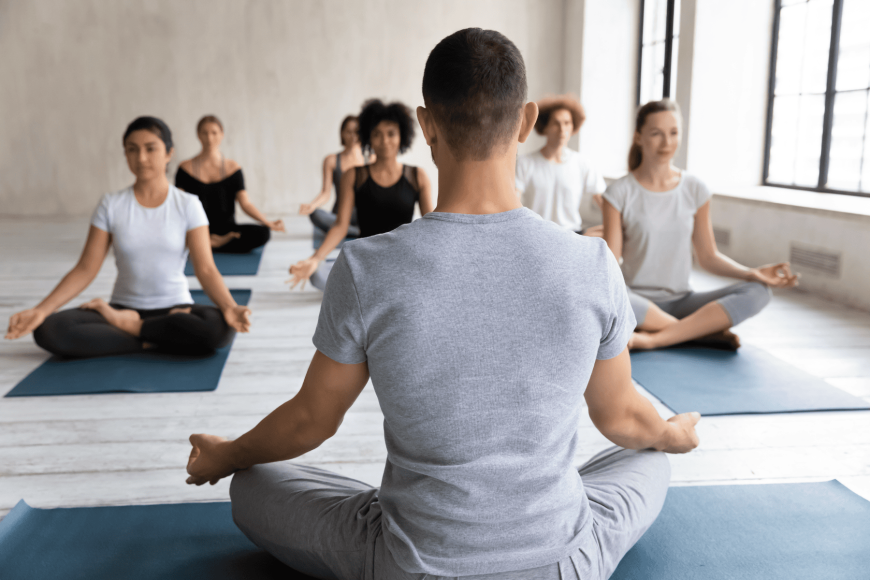
Yoga and meditation have become an important part of modern wellness, helping people develop greater physical awareness, mental clarity, and emotional balance. For those who want to take their practice beyond personal development and guide others, yoga and meditation teacher training can provide the knowledge, practical skills, and confidence needed to teach professionally.
But what exactly does teacher training involve? How long does it take? Do you need to be an advanced yoga practitioner? And what does it mean to become a certified yoga teacher?
This complete guide explains everything you need to know about yoga and meditation teacher training, from choosing a program to earning a recognized credential and beginning your teaching career.
What Is Yoga and Meditation Teacher Training?
Yoga and meditation teacher training is a structured educational program designed to prepare students to teach yoga, meditation, breathing practices, and related techniques safely and effectively.
A comprehensive program typically combines personal practice with theoretical study and teaching experience. Depending on the school and curriculum, students may study:
- Yoga postures and alignment
- Pranayama and breathing techniques
- Meditation methods
- Yoga philosophy
- Anatomy and physiology
- Teaching methodology
- Sequencing and class planning
- Ethics and professional conduct
- Communication and observation skills
- Practical teaching
The goal isn't simply to memorize yoga poses. Effective training helps aspiring teachers understand how to guide different students, communicate clearly, adapt practices, and create a safe and supportive learning environment.
For example, Yoga Alliance's RYS 200 framework includes areas such as techniques and practice, anatomy and physiology, yoga humanities, and professional essentials.
Why Combine Yoga and Meditation Teacher Training?
Yoga and meditation complement one another.
Yoga traditionally encompasses much more than physical postures. Breathwork, concentration, meditation, philosophy, and self-awareness can all form part of the broader practice.
Learning meditation alongside yoga can therefore help teachers offer a more complete experience. A class might include physical movement followed by breath awareness, relaxation, mindfulness, or a short meditation.
Training in both areas can help you:
- Develop a deeper personal practice
- Understand the relationship between movement, breath, and awareness
- Lead meditation sessions with greater confidence
- Incorporate mindfulness into yoga classes
- Support students seeking stress management and relaxation
- Develop a broader teaching skill set
However, the exact scope of a program varies. Some courses focus primarily on yoga and include meditation as one component, while others offer dedicated meditation modules or separate meditation certifications.
What Do You Learn in Yoga and Meditation Teacher Training?
A quality program should provide a balance between knowledge, practice, and teaching.
1. Yoga Asanas
Asanas are the physical postures practiced in yoga.
Teacher training goes beyond learning the names of poses. Students may explore:
- Proper alignment
- Modifications and variations
- Benefits and limitations of poses
- Transitions between postures
- Verbal instructions
- Demonstration techniques
- Working with different abilities and experience levels
The purpose is to help future teachers understand both how to practice a posture and how to teach it responsibly.
2. Pranayama and Breathwork
Pranayama refers broadly to yogic breathing practices.
Training may introduce different breathing techniques and explain their traditional context, practical application, and appropriate use. Students also learn how to give clear breathing instructions and recognize when a practice should be modified.
3. Meditation
Meditation training can cover several approaches, depending on the school's tradition.
Possible subjects include:
- Mindfulness meditation
- Breath awareness
- Guided meditation
- Concentration practices
- Mantra meditation
- Visualization
- Body awareness
- Yoga Nidra or deep relaxation
Students generally learn both the practice itself and methods for guiding others through meditation.
4. Yoga Philosophy
Yoga teacher training isn't only about physical exercise.
Many programs introduce foundational philosophical concepts and traditional yoga texts. Students may explore subjects such as the Eight Limbs of Yoga, ethical principles, self-discipline, mindfulness, and the historical development of yoga.
Understanding philosophy can help teachers place physical practice within a broader context rather than presenting yoga solely as exercise.
5. Anatomy and Physiology
Anatomy education helps teachers understand how the body moves and how different postures affect the musculoskeletal system.
Training may cover:
- Major muscle groups
- Joints and movement
- Basic biomechanics
- Alignment
- Common physical limitations
- Injury awareness
- Safe modifications
The purpose isn't to turn yoga teachers into medical professionals. Rather, it helps them teach within an appropriate scope of practice and make informed decisions about movement.
6. Teaching Methodology
This is one of the most important parts of teacher training.
You may learn how to:
- Demonstrate postures
- Give effective verbal cues
- Observe students
- Offer appropriate modifications
- Sequence a class
- Manage a group
- Create lesson plans
- Give constructive feedback
- Develop your own teaching voice
Yoga Alliance's standards specifically include teaching methodology, communication, demonstration, observation, assisting and correcting, teaching styles, and student learning.
7. Ethics and Professionalism
A responsible teacher needs more than technical knowledge.
Training may address professional boundaries, respectful communication, inclusivity, teacher-student relationships, and ethical responsibilities.
These principles are particularly important because yoga teachers work directly with people and often create environments involving trust and vulnerability.
What Is a 200-Hour Yoga Teacher Training?
A 200-hour yoga teacher training (YTT) is commonly considered the foundational level for people who want to begin teaching yoga.
For example, Yoga Alliance currently recognizes an RYT 200 credential for teachers who complete a 200-hour training registered with a Registered Yoga School (RYS 200).
A 200-hour program typically establishes foundational knowledge in areas such as:
- Yoga techniques and practice
- Anatomy and physiology
- Yoga philosophy and humanities
- Teaching methodology
- Professional development
- Practical teaching
Importantly, a "200-hour" program doesn't necessarily mean 200 hours of physical yoga classes. It represents structured training across multiple educational areas.
What Is a 300-Hour or 500-Hour Training?
After foundational training, teachers can pursue advanced education.
A 300-hour program generally builds on previous yoga teacher training and allows students to develop more specialized knowledge.
A 500-hour pathway represents a deeper level of education. Yoga Alliance states that the 500 training requirement can be completed through a single 500-hour program or through a 200-hour program followed by a separate 300-hour advanced training, provided the applicable school requirements are met.
Advanced training may focus on subjects such as:
- Advanced sequencing
- Specialized populations
- Meditation
- Yoga philosophy
- Advanced anatomy
- Teaching methodology
- Mentorship
- Leadership
- Specialized yoga traditions
Do You Need to Be an Advanced Yogi to Enroll?
Not necessarily.
You don't have to be able to perform every advanced yoga posture before beginning teacher training. In fact, foundational programs are designed to teach you the knowledge and skills needed to develop as a teacher.
However, you should choose a program whose prerequisites match your experience.
Before enrolling, check whether the school expects:
- A minimum amount of personal yoga practice
- Previous meditation experience
- Attendance at regular yoga classes
- Physical readiness for the program
- A particular level of familiarity with yoga philosophy
Remember that being flexible or athletic isn't the same as being prepared to teach yoga. Teaching requires communication, observation, knowledge, patience, and responsibility.
How Long Does Yoga and Meditation Teacher Training Take?
The duration varies significantly depending on the format.
Programs may be offered as:
Intensive Programs
An intensive course can condense training into several weeks. These programs often require students to dedicate substantial time to study and practice each day.
Part-Time Programs
Part-time training may take several months and can be easier to combine with work or family responsibilities.
Weekend Programs
Some schools schedule classes primarily on weekends, allowing students to continue their normal weekday routines.
Online or Hybrid Programs
Depending on the school and credential requirements, some training is available online or in a blended format. Always verify the current delivery requirements of the credentialing organization and the specific school before enrolling.
The best format is the one that gives you enough time to absorb the material rather than simply completing hours as quickly as possible.
How Much Does Yoga Teacher Training Cost?
There is no single standard price.
Tuition depends on factors such as:
- Location
- Program length
- School reputation
- Teacher experience
- Accommodation
- Meals
- Online versus in-person format
- Specialized curriculum
- Certification or registration fees
Yoga Alliance currently reports that schools set their own tuition and lists a typical range of approximately $1,500 to $5,000 or more for training, depending on factors such as program length, location, and format.
When comparing prices, look at the complete package rather than tuition alone. A cheaper course may not include accommodation, course materials, assessments, or other expenses.
What Does "Certified Yoga Teacher" Mean?
The word certified can mean different things depending on the organization providing the training.
A school may issue a certificate after you successfully complete its teacher training. Separately, professional organizations may offer registration or credentialing pathways.
For example, Yoga Alliance distinguishes between schools, such as Registered Yoga Schools (RYS), and teacher credentials, such as Registered Yoga Teacher (RYT).
Therefore, before enrolling, ask:
- Who issues the certificate?
- Is the school registered with a recognized organization?
- What credential can graduates apply for?
- Are there teaching-hour requirements?
- Does the program have current accreditation or registration?
- Is meditation included in the curriculum?
- What happens after graduation?
These questions can prevent confusion between a course-completion certificate and a professional teaching credential.
How to Become a Certified Yoga and Meditation Teacher
The process can be broken into several steps.
Step 1: Develop Your Personal Practice
Before teaching others, spend time practicing yoga and meditation yourself.
Regular practice helps you understand the student's experience and develop familiarity with different techniques.
Step 2: Research Teacher Training Programs
Compare schools based on:
- Curriculum
- Faculty
- Training hours
- Teaching practice
- Meditation content
- Philosophy
- Anatomy
- Certification pathway
- Schedule
- Cost
- Student reviews
- Location or online format
Don't choose a program solely because it is inexpensive or has a beautiful location.
Step 3: Complete Foundational Training
For many aspiring teachers, a 200-hour program is the starting point.
Choose a school whose educational approach and yoga tradition align with your goals.
Step 4: Complete Practical Teaching
A strong program should give you opportunities to practice teaching rather than only watching lectures.
Teaching practice helps you develop confidence and learn how to respond to real students.
Step 5: Meet Certification or Credential Requirements
After completing your training, follow the requirements of the organization or school providing your desired credential.
For example, Yoga Alliance's RYT 200 pathway requires completion of a 200-hour training with an RYS 200; its current standards indicate no additional teaching requirement for the RYT 200 credential itself.
Step 6: Continue Learning
Graduation isn't the end of teacher development.
Experienced teachers often continue studying anatomy, meditation, philosophy, specialized populations, teaching methodology, and other areas.
Yoga Alliance also provides pathways for continuing education and advanced credentials.
What Can You Do After Yoga and Meditation Teacher Training?
Completing teacher training can open several professional and personal pathways.
You might teach:
- Group yoga classes
- Private yoga sessions
- Meditation classes
- Corporate wellness sessions
- Retreats
- Workshops
- Online classes
- Community programs
You could also specialize in areas such as prenatal yoga, children's yoga, restorative yoga, yoga Nidra, mindfulness, or meditation, depending on your additional training and scope of practice.
Some graduates don't immediately pursue teaching as a full-time career. They may use their training to deepen their personal practice or complement an existing profession.
How to Choose the Best Yoga and Meditation Teacher Training
Choosing the right school is one of the most important decisions you'll make.
Look at the Curriculum
Make sure the course includes more than asana practice. Look for a balanced curriculum covering teaching skills, anatomy, philosophy, meditation, ethics, and practical experience.
Research the Teachers
Find out who will teach you.
Consider their experience, teaching style, qualifications, and areas of expertise.
Check Recognition
If earning a particular credential matters to you, verify that the school currently meets the requirements of the organization behind that credential.
Yoga Alliance, for example, provides a directory of Registered Yoga Schools and identifies RYS 200, RYS 300, RYS 500, children's, and prenatal school designations.
Look for Teaching Practice
An entirely theoretical course may leave you unprepared for your first class.
Ask how many opportunities you'll have to teach and receive feedback.
Evaluate the Meditation Component
If your goal specifically includes becoming a meditation teacher, don't assume every yoga teacher training provides extensive meditation education.
Ask:
- How many hours are dedicated to meditation?
- Which meditation traditions are taught?
- Will I practice leading guided meditations?
- Is meditation assessed?
- Is there a separate meditation certification?
Consider the Learning Environment
The right program should encourage questions and provide respectful, inclusive learning.
You should feel comfortable learning, making mistakes, receiving feedback, and developing your own teaching style.
Common Mistakes to Avoid
Choosing Based Only on Price
The cheapest program isn't necessarily the best value.
Focusing Only on the Certificate
A certificate doesn't automatically make someone an effective teacher. Look for substantial practical education.
Ignoring Meditation Training
If meditation is central to your career goals, make sure the curriculum genuinely covers it.
Expecting Teacher Training to Be Easy
Teacher training can be physically, intellectually, and emotionally demanding. Be prepared to study, practice, teach, receive feedback, and reflect.
Assuming Certification Guarantees a Job
Teacher training gives you education and credentials, but building a career usually requires networking, experience, continuing education, and developing your teaching skills.
Is Yoga and Meditation Teacher Training Worth It?
For the right person, it can be a highly valuable investment.
If you're passionate about yoga and meditation and want to guide others, teacher training can help transform personal practice into a structured professional skill set.
The benefits can include:
- Deeper understanding of yoga
- Stronger personal practice
- Greater confidence
- Teaching experience
- Professional opportunities
- A supportive community
- Continued personal development
But the value depends heavily on the quality of the program you choose.
A good teacher training should prepare you to teach responsibly, not simply give you a certificate at the end of a course.
Frequently Asked Questions
Can beginners join yoga and meditation teacher training?
Many foundational programs accept students who are not advanced practitioners. However, prerequisites vary by school, so check the specific program before enrolling.
How many hours is yoga teacher training?
The most common foundational pathway is 200 hours. Advanced pathways may include 300 additional hours or a combined 500-hour training. Yoga Alliance currently recognizes RYT 200 and RYT 500 pathways.
Can I become a meditation teacher without becoming a yoga teacher?
Yes, depending on the training organization. Yoga and meditation are related but distinct areas of instruction, and some schools offer dedicated meditation teacher training.
Can I teach yoga after completing a 200-hour course?
A 200-hour program is a common entry point into yoga teaching. However, the specific requirements for professional registration, employment, insurance, or teaching in a particular setting depend on the organization and location.
Is online yoga teacher training valid?
Online and hybrid training options exist, but recognition and requirements vary. If you want a particular professional credential, verify that the delivery format meets the current requirements of the credentialing organization before enrolling.
What is the difference between yoga certification and Yoga Alliance registration?
A training school may award a certificate when you complete its program. Yoga Alliance registration is a separate professional credentialing process with its own requirements. For example, RYT 200 requires completion of a 200-hour training registered with an RYS 200.
Final Thoughts
Yoga and meditation teacher training is much more than learning how to lead a yoga class. It is an opportunity to deepen your personal practice while developing the knowledge, communication skills, teaching experience, and professional awareness required to guide others.
For most aspiring yoga teachers, a reputable 200-hour foundational program is a logical starting point. From there, you can pursue advanced training, meditation specialization, continuing education, or a particular teaching niche.
The most important step is to choose your school carefully. Compare curriculum, instructors, practical teaching opportunities, meditation education, recognition, schedule, and total cost before making a decision.
With the right training and a commitment to continued learning, you can build the foundation for a meaningful journey as a yoga and meditation teacher.