Why Mulcher Attachments Are Becoming Popular for Property Maintenance
Property maintenance used to be a grind. Still is, honestly. Clearing overgrowth, dealing with brush piles, hauling debris back and forth… it eats time. And time is the one thing most crews don’t have enough of.
 metaminds
Property maintenance used to be a grind. Still is, honestly. Clearing overgrowth, dealing with brush piles, hauling debris back and forth… it eats time. And time is the one thing most crews don’t have enough of.
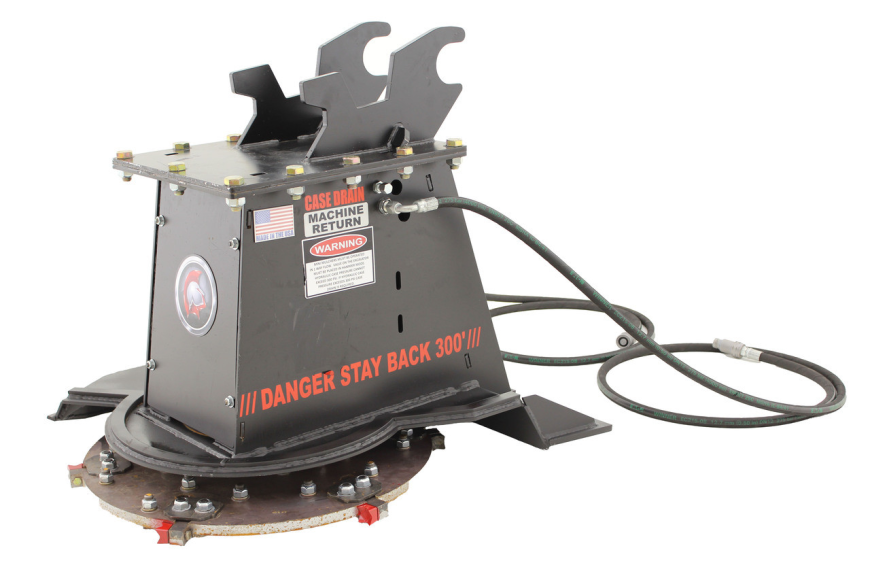
Lately though, more contractors and land guys are switching things up. You’ll hear it in job site conversations or see it online when someone’s comparing gear — the shift toward using an excavator mulcher attachment instead of doing things the old way. Not because it’s trendy. Because it actually makes the work easier. Faster too.
The Old Way vs What Mulchers Changed
Before mulchers, clearing land meant multiple steps. Cut the brush. Pile it. Haul it. Burn it, or dump it somewhere if you could. That’s a lot of machine hours. A lot of fuel. And a lot of back-and-forth.
Mulcher attachments flipped that whole process.
Now you’re basically cutting and processing at the same time. Trees, shrubs, thick grass, even smaller stumps — all turned into mulch right there on the ground. No hauling. No piles sitting around waiting for the next step.
It’s not perfect, nothing is. But it cuts out enough steps that the difference is obvious within the first few hours of use.
Why Contractors Are Paying Attention Now
Mulchers aren’t exactly new. They’ve been around. But what’s changed is how many people are actually using them in regular property maintenance, not just big land clearing jobs.
Part of it comes down to versatility.
You can run them on skid steers, excavators, compact track loaders… whatever setup you’ve already got. That flexibility matters. Nobody wants to buy a machine just to run one attachment.
And then there’s demand. Property owners don’t just want land cleared anymore. They want it cleaned up, usable, and not looking like a war zone after the job’s done.
Mulchers handle that better. They leave behind a layer of mulch instead of a mess.
Less Cleanup, Less Hassle
This is probably the biggest reason they’re getting popular.
Cleanup is where a lot of jobs drag on. You finish cutting, but you’re not really done. There’s still debris everywhere. And that part? It’s slow.
Mulchers reduce that headache.
You’re not stacking brush or loading trucks all day. You’re grinding material into something that can stay on-site. It breaks down naturally, helps with soil health, and honestly… it just looks cleaner.
For landscapers especially, that’s a big deal. Clients notice the finish, not just the work.
Time Efficiency (Where the Real Value Shows Up)
Let’s not overcomplicate it. Faster jobs = better margins.
Mulcher attachments speed things up in a way that’s hard to ignore. You’re combining tasks. Cutting and processing in one pass. No extra crew needed to handle debris.
And it’s not just about speed. It’s about flow.
You’re not stopping every few minutes to deal with piles or reposition equipment. You keep moving. That consistency makes a difference over a full workday.
That’s why more people are putting mulchers in the same conversation as the best skid steer attachments. Not because they’re flashy, but because they actually improve workflow.
Handling Tough Terrain Without Fighting It
Not every job site is clean and open. You’ve got slopes, tight areas, uneven ground… places where traditional clearing methods get frustrating fast.
Mulcher attachments, especially on excavators, handle that better than expected.
An excavator mulcher attachment lets you reach into awkward spots. Over fences, down embankments, around obstacles. You’re not limited to where the machine can physically drive.
That reach changes how you approach a job. Instead of working around obstacles, you work through them.
It’s one of those things you don’t fully appreciate until you’ve struggled without it.
Cost Savings (Even If It Doesn’t Look Like It at First)
Yeah, mulchers aren’t cheap. No point pretending otherwise.
But when you look at the bigger picture, the cost starts to make sense.
You’re saving on:
-
Labor hours
-
Fuel from running multiple machines
-
Transport and dumping fees
-
Equipment wear from extra steps
Over time, those savings stack up. Especially if you’re doing regular clearing or maintenance work.
It’s not about spending less upfront. It’s about spending smarter across the job.
Better Results for Clients (Which Means More Work Later)
This part gets overlooked sometimes.
Clients care about results. Not the process.
When you leave a property with clean, mulched ground instead of piles of debris, it stands out. It looks finished. Professional. Like you actually thought about the outcome, not just the task.
That leads to repeat work. Referrals too.
And in a competitive market, that matters more than squeezing out one extra hour of machine time.
Choosing the Right Mulcher Setup
Not all mulchers are the same. Same story as any attachment, really.
You’ve got to match it to your machine and your workload.
Things like:
-
Hydraulic flow requirements
-
Material type (light brush vs heavy wood)
-
Job size and frequency
If you’re running the wrong setup, you’ll feel it immediately. Slower performance, more wear, more frustration.
That’s why a lot of professionals stick with brands like Spartan Equipment. Not because of hype, but because the build quality holds up. And when you’re running equipment hard, that matters more than anything else.
Where Mulchers Fit in Your Equipment Lineup
Mulchers aren’t replacing everything. You’ll still need buckets, grapples, maybe a brush cutter depending on the job.
But they’re becoming a core tool for property maintenance.
For a lot of crews, they’ve moved from “nice to have” to something closer to essential. Especially when jobs involve heavy vegetation or land clearing.
And yeah, when people talk about the best skid steer attachments now, mulchers are part of that conversation more than ever.
Conclusion
Mulcher attachments didn’t suddenly become popular for no reason. They solve real problems. Too much cleanup, too many steps, too much wasted time.
They simplify the work.
You cut, you mulch, you move on. No dragging things out longer than they need to be.
For contractors, landscapers, and farm operators, that kind of efficiency isn’t just convenient. It’s necessary.
And once you start using one regularly, it’s hard to go back to the old way of doing things. That’s usually the moment it clicks — why more people are adding them to their setup, and why they’re showing up more often in discussions about the best skid steer attachments.