What Happens When You Stop Sugar for 10 Days?
Wondering what happens when you stop sugar for 10 days? Discover the real effects on cravings, energy, sleep, digestion, skin, and overall health.
 saymaraza
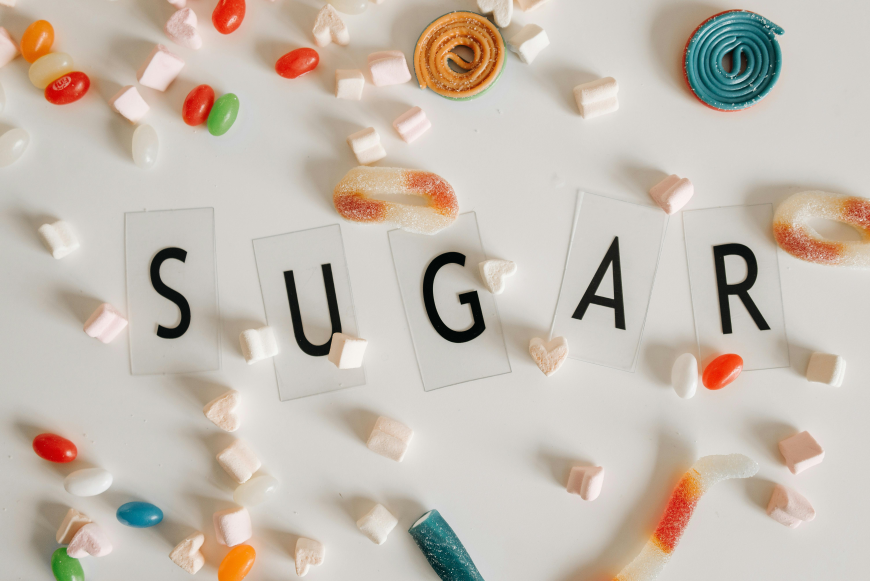
Sugar is everywhere.
It’s in biscuits, sauces, cereals, “healthy” granola bars, packaged juices, and, honestly, even in foods that don’t taste sweet at all. Most people don’t realise how much sugar they eat until they actually try to stop.
And no, this isn’t just about desserts.
Sometimes it’s the extra spoon of sugar in tea. Sometimes it’s late-night ice cream after a stressful day. Or those random sweet cravings that hit around 4 PM when your energy crashes.
I tried cutting down sugar for 10 days once. Not perfectly, obviously. But enough to notice changes. Some were surprising. A few were honestly uncomfortable in the beginning.
Your body reacts fast when sugar disappears from your routine.
Let’s talk about what actually happens.
First, What Counts as “Stopping Sugar”?
This part confuses a lot of people.
Stopping sugar usually means avoiding:
- Soft drinks
- Packaged sweets
- Chocolates
- Cakes and pastries
- Sugary coffee drinks
- Sweet breakfast cereals
- Added sugar in tea or coffee
- Processed snacks with hidden sugar
Most people still eat natural sugar from:
- Fruits
- Milk
- Dry fruits in moderation
That’s generally manageable and more realistic long-term.
The goal isn’t to fear food. It’s to reduce added sugar overload.
Day 1 to Day 3: The Cravings Start
This is usually the hardest phase.
Your body is used to quick sugar hits. Suddenly removing them can feel strange. You may notice:
- Headaches
- Mood swings
- Low energy
- Irritation
- Random cravings after meals
Some people even feel tired for no clear reason.
Why does this happen?
Because sugar activates reward pathways in the brain. When you stop it suddenly, your brain notices the change immediately. It keeps asking for that quick dopamine spike.
You might open the fridge three times without even being hungry. That happened to me, honestly.
This phase can feel annoying, but it usually settles.
A small tip that helps:
Eat enough protein and fibre.
Seriously. It makes a difference.
Try meals like:
- Moong dal chilla with curd
- Eggs with vegetables
- Paneer salad
- Nuts and fruits
- Homemade poha with peanuts
Skipping meals makes cravings worse.
Your Energy Starts Becoming More Stable
Sugar gives fast energy.
Then it crashes.
That cycle keeps repeating through the day, especially if your meals rely heavily on refined carbs and sugary drinks.
After a few days without excess sugar, many people notice fewer energy dips.
You may not feel “super energetic” suddenly. That’s not how it works. But your energy can start feeling steadier.
Less sleepy after lunch.
Less desperate for evening chai with biscuits.
Less random hunger.
Your body slowly starts relying on balanced energy from regular meals instead of quick sugar spikes.
And honestly, that stable feeling feels calmer somehow.
You May Sleep Better
This one surprised me.
A lot of people notice improved sleep after reducing sugar intake.
Sugar can affect:
- Blood sugar balance
- Stress hormones
- Late-night cravings
- Restlessness
If you usually eat sweets late at night, your sleep quality may improve once that habit reduces.
Not dramatically overnight. But gradually.
You may fall asleep faster.
Or wake up less tired.
Some people also report fewer midnight cravings after about a week.
Your Skin Can Start Looking Calmer
Sugar doesn’t directly “cause” acne for everyone.
But high sugar intake may increase inflammation in the body. That can affect skin health in some people.
After 7 to 10 days, you might notice:
- Less puffiness
- Reduced oiliness
- Fewer breakouts
- Skin looking slightly fresher
It’s subtle.
Don’t expect a movie-style transformation in 10 days. Real health changes take time.
Still, your skin often reflects what’s happening inside your body.
Hydration also matters here. Many people replace sugary drinks with water when they stop sugar. That alone can help.
Your Digestion May Feel Better
Too much sugar can sometimes affect digestion more than people realise.
Especially processed sugary foods.
When you reduce them, you may notice:
- Less bloating
- Better bowel movements
- Reduced heaviness after meals
- Fewer sudden hunger pangs
Your gut bacteria also respond to dietary changes.
Processed foods and excess sugar may disturb gut balance over time. Whole foods usually support digestion better.
Simple homemade meals can honestly feel more satisfying after a few sugar-heavy weeks.
Your body likes consistency.
You Start Noticing Hidden Sugar Everywhere
This happens around the middle of the challenge.
You suddenly read labels more carefully.
And then you realise sugar is in:
- Bread
- Peanut butter
- Salad dressings
- Ketchup
- Flavoured yogurt
- “Healthy” protein bars
It gets slightly frustrating.
But also eye-opening.
A lot of packaged foods rely on sugar for taste and shelf life.
This awareness itself changes eating habits.
You become more mindful without trying too hard.
Your Taste Buds Reset a Little
This is probably one of the best changes.
After several days without heavy sugar intake, regular foods start tasting sweeter naturally.
Fruits taste more flavourful.
Tea without sugar feels possible.
Even carrots and roasted vegetables can taste surprisingly sweet.
Your tolerance changes.
Earlier, one sweet dessert may not have felt enough. After reducing sugar, even a small piece can suddenly taste very intense.
That shift matters because it helps reduce dependence on constant sweetness.
You May Lose Some Water Weight
People often notice slight weight loss during a no-sugar challenge.
Mostly because:
- Processed foods reduce
- Water retention drops
- Calorie intake decreases naturally
- Sugary drinks disappear
This doesn’t mean you suddenly lost body fat in 10 days.
A lot of early weight change comes from reduced bloating and water retention.
Still, your body can feel lighter.
Your stomach may feel less heavy after meals.
Clothes might fit a little better, too.
That can feel motivating.
Your Mood Can Improve
This sounds strange because the first few days often feel emotionally rough.
But later, the mood becomes more balanced for many people.
Constant sugar highs and crashes affect:
- Energy
- Irritability
- Focus
- Hunger
- Emotional eating
Once your eating pattern becomes more stable, your mood often follows.
Not perfectly, of course.
Food isn’t magic.
But steady meals with less processed sugar can help reduce that “crash and crave” cycle.
Cravings Don’t Completely Disappear
This is important to understand.
Stopping sugar for 10 days does not erase cravings forever.
You’re still human.
You’ll probably still want dessert sometimes. That’s normal.
The difference is that cravings may become less intense and less constant.
You stop feeling controlled by them.
That’s a healthier relationship with food.
No restriction.
Not guilt.
Just more awareness.
What Happens to Your Brain?
Your brain uses glucose for energy, so people sometimes misunderstand sugar reduction.
Stopping added sugar does not mean your brain stops functioning.
Your body still gets glucose from:
- Fruits
- Whole grains
- Vegetables
- Regular balanced meals
The issue is excess refined sugar intake.
Too much added sugar may affect concentration and energy patterns. Some research also links high sugar intake with inflammation and metabolic problems over time.
During the first few days, concentration may feel slightly off. Then, many people report clearer focus later.
Again, not dramatic. Just steadier.
Social Situations Become Tricky
Nobody talks about this enough.
The hardest part sometimes isn’t cravings.
It’s people.
Someone offers sweets.
There’s a birthday cake at work.
Family insists “one bite won’t matter.”
And honestly? One bite usually doesn’t matter.
What matters is your overall pattern.
Rigid food rules often backfire.
The real goal is becoming conscious about how much sugar you consume daily, not becoming fearful of every dessert.
That mindset feels more sustainable.
What Should You Eat Instead?
A lot of people remove sugar but don’t replace foods properly.
Then they feel hungry all day.
Try focusing on balanced meals:
Breakfast Ideas
- Vegetable poha with peanuts
- Oats with nuts and seeds
- Idli with sambar
- Besan chilla
- Boiled eggs with toast
Lunch Options
- Dal with rice and vegetables
- Roti with sabzi and curd
- Paneer bhurji with salad
- Khichdi with vegetables
Snacks
- Roasted makhana
- Fruits
- Coconut water
- Handful of nuts
- Sprouts chaat
Dinner
- Light homemade meals
- Soup with protein
- Millet roti with vegetables
- Grilled paneer or tofu
Simple food usually works best.
Nothing fancy is needed.
Does This Mean Sugar Is “Bad”?
Not exactly.
Your body can handle sugar in moderation.
The issue is quantity and frequency.
Many people consume added sugar multiple times a day without noticing:
- Sugary tea
- Biscuits
- Desserts
- Soft drinks
- Packaged snacks
That adds up fast.
A healthier approach is learning balance.
You can still enjoy sweets occasionally without making them your daily fuel source.
That feels more realistic than extreme restriction.
Small Changes That Actually Help
If quitting sugar completely feels overwhelming, start smaller.
You can:
- Reduce sugar in tea slowly
- Replace soft drinks with water
- Eat fruit instead of packaged desserts sometimes
- Read labels before buying snacks
- Avoid sugary foods on an empty stomach
- Add more protein to meals
These habits make a real difference over time.
Tiny shifts matter more than dramatic detox plans.
Why Many People Feel Better After 10 Days
Usually, because they accidentally improve several habits together:
- More water intake
- Better sleep
- Fewer processed foods
- More home-cooked meals
- Balanced eating
- Reduced overeating
So the benefits are not just from removing sugar alone.
It’s the overall shift in eating patterns.
That’s important to remember.
A More Sustainable Way to Look at Sugar
You don’t need perfection.
You probably don’t need a lifelong “zero sugar” rule either.
Most people do better with moderation instead of strict restriction.
A practical approach like the Mitha Aahara diet guidance focuses more on balance, mindful eating, and realistic food habits rather than extreme dieting.
And honestly, that feels easier to follow in real life.
Because life includes celebrations, chai breaks, cravings, and desserts sometimes.
Health should fit into your life.
Not isolate you from it.
Final Thoughts
Ten days without sugar can teach you a lot about your eating habits.
You may notice:
- Better energy stability
- Reduced bloating
- Improved cravings control
- Better sleep
- More mindful eating
The first few days can feel difficult. That’s normal.
But after a while, your body usually adjusts.
The biggest change often isn’t physical.
It’s awareness.
You start noticing how often sugar sneaks into your routine and how strongly habits influence hunger, mood, and energy.
And once you notice that, making healthier choices becomes a little easier.