How to Choose the Right Sewage Treatment Plant for Your Industry (2026 Guide)
Discover how to choose the right sewage treatment plant for your industry in 2026. Learn about STP capacity selection, technology comparison, STP plant installation cost in India, compliance factors, and long-term operational efficiency. A complete guide by a trusted STP plant manufacturer and wastewater treatment expert.
 hydroflux
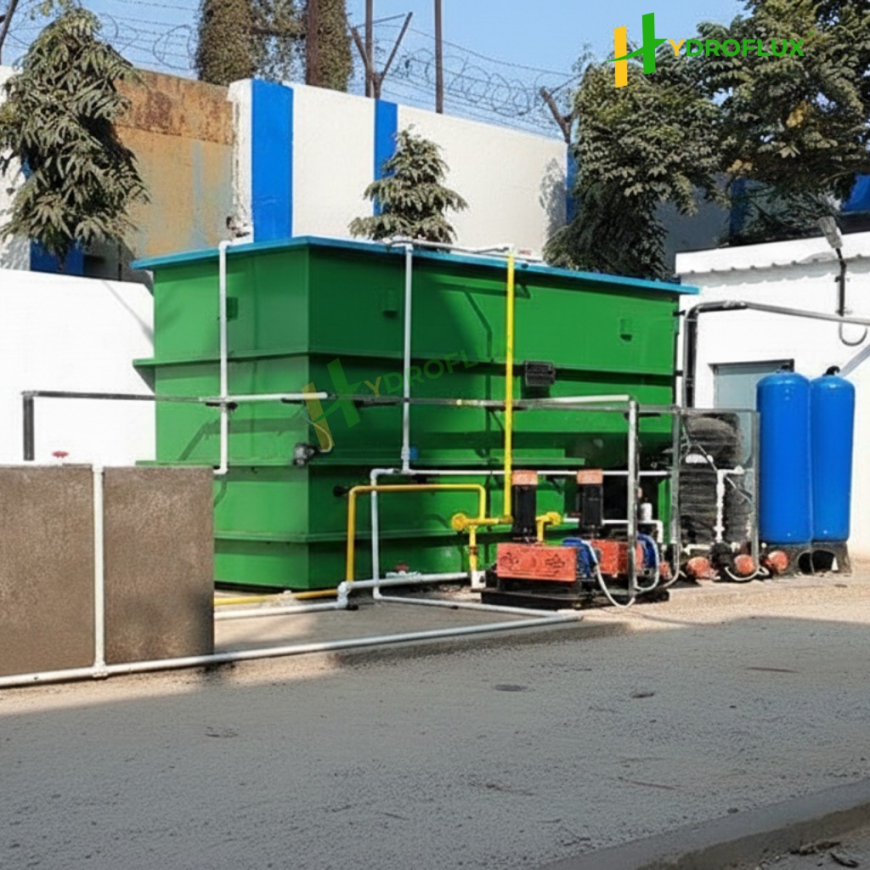
Industrial growth, stricter environmental regulations, and increasing water scarcity have made wastewater treatment a strategic priority rather than just a compliance requirement. Selecting the right Sewage Treatment Plant (STP) for your industry directly impacts operational efficiency, regulatory approvals, long-term costs, and sustainability goals.
In 2026, industries are no longer looking for basic treatment systems — they require intelligent, efficient, and scalable solutions. This guide explains how to choose the right sewage treatment plant for your industry in a practical and structured way.
1. Understand the Type of Wastewater You Generate
The first and most important step is identifying the nature of wastewater your facility produces.
Industrial wastewater varies widely depending on the sector:
-
Food processing units generate high organic loads.
-
Pharmaceutical facilities may contain complex chemical residues.
-
Textile units often produce high color and chemical content.
-
Commercial complexes generate mostly domestic sewage.
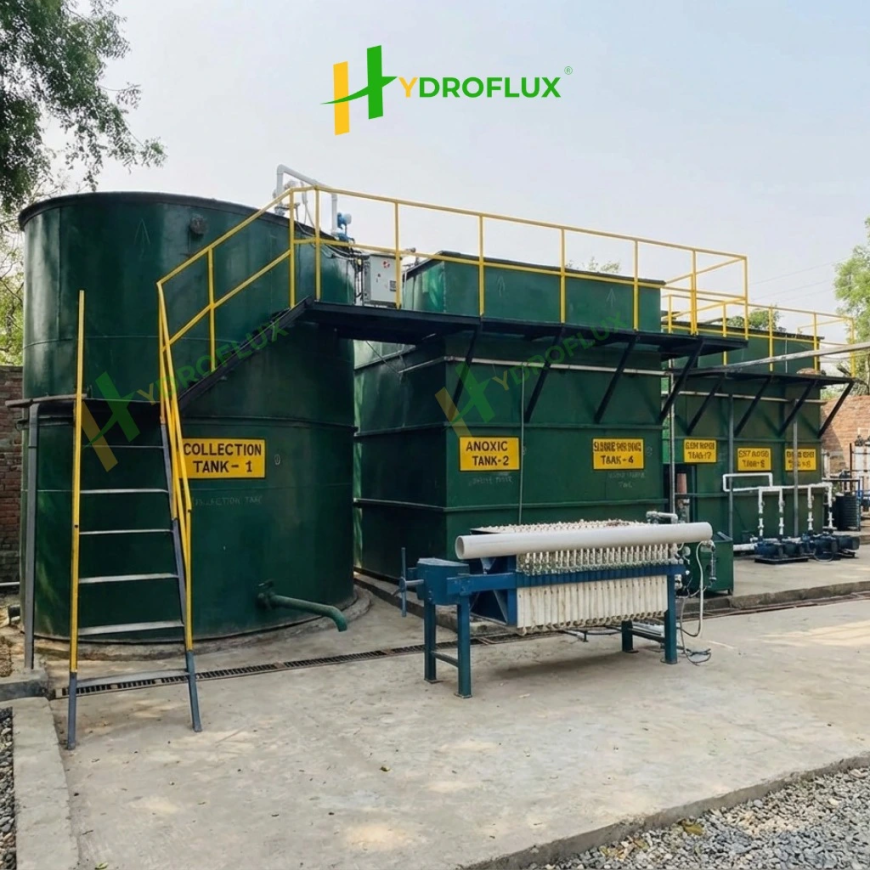
Although STPs are primarily designed for domestic wastewater, many industrial campuses generate both domestic sewage and light process wastewater. Proper wastewater characterization — including BOD, COD, TSS, oil and grease, and pH levels — helps determine whether you need a standard STP or a hybrid solution integrating effluent treatment features.
2. Evaluate Capacity Requirements Accurately
Sizing your sewage treatment plant correctly is critical. Undersized systems lead to compliance failures, while oversized systems increase capital and operational costs unnecessarily.
Key considerations include:
-
Number of employees or occupants
-
Future expansion plans
-
Water consumption rates
-
Peak flow variations
-
Seasonal fluctuations
Capacity is usually measured in KLD (kilolitres per day). A reliable design accounts for both current and projected wastewater generation over the next 10–15 years.
3. Choose the Right Treatment Technology
Modern sewage treatment systems use different biological processes. Selecting the correct technology depends on space availability, effluent quality requirements, budget, and automation preferences.
Common STP Technologies in 2026
Activated Sludge Process (ASP)
A conventional and widely used system suitable for stable sewage loads but requires more space.
Moving Bed Biofilm Reactor (MBBR)
Compact, efficient, and ideal for industries with limited space.
Sequencing Batch Reactor (SBR)
Operates in cycles and provides high-quality effluent with good nutrient removal.
Membrane Bioreactor (MBR)
Produces superior treated water suitable for reuse, though with higher capital cost.
Each technology has advantages and limitations. A proper technical evaluation ensures long-term performance and compliance.
4. Check Regulatory Compliance Requirements
Environmental regulations are becoming increasingly strict across India. Discharge standards are governed by authorities such as:
-
Central Pollution Control Board
-
State Pollution Control Boards
Industries must obtain Consent to Establish (CTE) and Consent to Operate (CTO). The STP must meet limits for:
-
BOD (Biochemical Oxygen Demand)
-
COD (Chemical Oxygen Demand)
-
Total Suspended Solids (TSS)
-
pH levels
-
Oil and grease
Choosing a system that consistently meets or exceeds these norms prevents penalties and operational disruptions.
5. Consider Space Availability and Layout
Urban industrial zones often have limited installation space. Compact, modular, or prefabricated STPs are becoming increasingly popular.
Factors to evaluate include:
-
Underground vs above-ground installation
-
Accessibility for maintenance
-
Sludge storage space
-
Future expansion flexibility
Smart layout planning reduces civil construction costs and simplifies operation.
6. Focus on Operational Efficiency and Energy Consumption
Energy consumption forms a major portion of STP operating costs. Aeration blowers, pumps, and mixers must be selected carefully.
Look for:
-
Energy-efficient blowers
-
Variable frequency drives (VFDs)
-
Automated aeration control
-
Low-sludge production technologies
Lower energy use directly reduces lifecycle cost.
7. Assess Automation and Monitoring Capabilities
Modern sewage treatment plants integrate automation for better performance control.
Advanced features may include:
-
PLC-based automation systems
-
Real-time monitoring of BOD, COD, and pH
-
Remote monitoring through IoT
-
Alarm systems for parameter deviations
Automation reduces human error and ensures consistent compliance.
8. Plan for Water Reuse
Water reuse is no longer optional in many industrial regions. Treated sewage can be reused for:
-
Cooling tower makeup water
-
Gardening and landscaping
-
Toilet flushing
-
Cleaning operations
If reuse is a priority, tertiary treatment such as filtration or membrane polishing may be necessary. Designing with reuse in mind enhances sustainability and reduces freshwater consumption.
9. Evaluate Long-Term Maintenance and Support
The performance of an STP depends not just on installation but on long-term operation.
Before selecting a system, evaluate:
-
Availability of spare parts
-
Annual Maintenance Contract (AMC) options
-
Technical support response time
-
Operator training programs
Reliable after-sales service ensures consistent performance over the system’s lifespan.
10. Compare Lifecycle Cost — Not Just Initial Price
A common mistake is choosing the lowest upfront quotation. Instead, focus on total lifecycle cost, including:
-
Installation
-
Energy consumption
-
Chemical usage
-
Sludge disposal
-
Maintenance expenses
-
System upgrades
An efficient plant may cost slightly more initially but offer significant long-term savings.
11. Ensure Scalability for Future Growth
Industries expand. Your sewage treatment system should allow:
-
Modular capacity expansion
-
Easy integration of additional treatment units
-
Upgrade to tertiary or advanced treatment
Scalable systems prevent the need for complete replacement during expansion.
12. Work with an Experienced Engineering Partner
An experienced wastewater engineering company evaluates site conditions, wastewater characteristics, compliance needs, and long-term operational strategy before proposing a solution.
Companies such as Hydroflux, known for industrial wastewater expertise, focus on customised treatment systems rather than generic designs. A technically sound partner prioritises engineering accuracy, process optimisation, and compliance stability.
Emerging Trends in STP Selection (2026 and Beyond)
The sewage treatment industry is evolving rapidly with:
-
Smart monitoring and AI-driven optimisation
-
Compact containerised STPs
-
Energy-neutral treatment systems
-
Hybrid biological-membrane technologies
-
Greater emphasis on sustainability and ESG reporting
Selecting a future-ready system ensures relevance and efficiency for years to come.
Final Thoughts
Choosing the right Sewage Treatment Plant for your industry requires careful planning, technical evaluation, and long-term thinking. It is not merely about meeting discharge standards — it is about improving operational efficiency, reducing water costs, and supporting environmental responsibility.