10 Dollar Face Value Junk Silver
Buy $10 face value 90% junk silver coins. 7.15 oz of pre-1964 US dimes, quarters, and halves—ideal for collectors and silver investors.
 leifscoins
Understanding the Value of Junk Silver
Silver has long been a trusted hedge against inflation and economic uncertainty. Among the many forms of silver available to investors, junk silver stands out as one of the most practical and accessible options. Despite the name, junk silver is far from worthless. It refers to circulated U.S. coins minted before 1965 that contain 90% silver but carry little to no collectible numismatic premium.
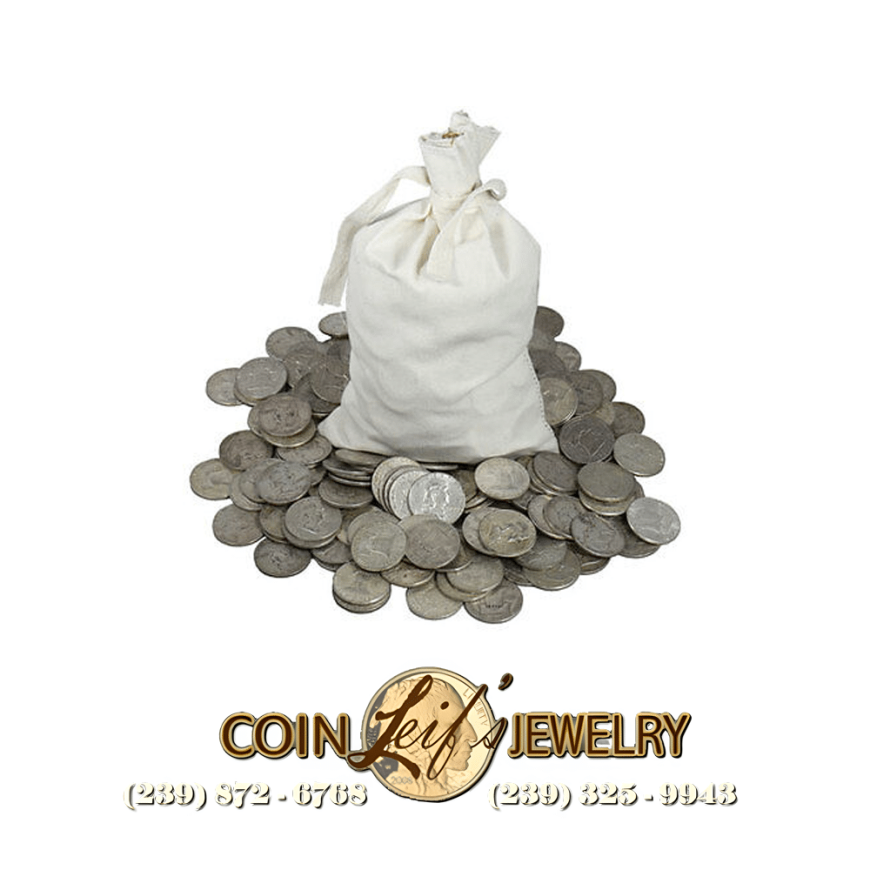
For investors seeking smaller, divisible pieces of silver, 10 dollar face value junk silver is one of the most popular entry points. This amount typically consists of a mix of pre-1965 dimes, quarters, or half dollars that total $10 in face value and contain approximately 7.15 troy ounces of pure silver after accounting for normal circulation wear. It offers a convenient way to accumulate silver without purchasing large bars or high-premium coins.
What Coins Are Included in Junk Silver?
Junk silver commonly includes Roosevelt dimes, Mercury dimes, Washington quarters, and Franklin or Kennedy half dollars minted before 1965. All of these coins were struck in 90% silver and 10% copper. Because they were once everyday currency, most examples show signs of wear, which is why they are valued primarily for their silver content rather than their collectible appeal.
When purchasing a $10 face value lot, buyers usually receive a random mix of these denominations. The exact breakdown may vary, but the total silver weight remains consistent. This standardization makes it easy for investors to calculate value based on the current spot price of silver, adding transparency to every transaction.
Why Investors Choose Junk Silver
One of the biggest advantages of junk silver is divisibility. Unlike a 10-ounce or 100-ounce silver bar, smaller coins can be sold or traded individually. This flexibility appeals to investors who want the ability to liquidate part of their holdings without selling everything at once.
Another benefit is recognition. Pre-1965 U.S. coins are widely known and trusted in the precious metals market. Their silver content is well documented, and dealers across the country understand their value. This broad recognition helps maintain strong liquidity, especially during times of increased demand for physical silver.
How Pricing Works for $10 Face Value Lots
Pricing for junk silver is usually calculated by multiplying the current silver spot price by the approximate silver weight in the lot. Since $10 face value contains around 7.15 troy ounces of pure silver, the final cost depends on market conditions and dealer premiums.
Premiums can fluctuate depending on supply and demand. During periods of economic uncertainty, junk silver often becomes more sought after because of its affordability and practicality. Understanding how pricing works ensures buyers can compare offers and make informed decisions.
Junk Silver vs. Silver Bullion
While silver bullion coins like American Silver Eagles are highly popular, junk silver offers distinct advantages. Bullion coins are typically .999 fine silver and may carry higher premiums due to their condition and government minting costs. Junk silver, on the other hand, often trades closer to spot price, making it appealing for those focused purely on silver weight.
Additionally, junk silver’s historical aspect adds a layer of interest. These coins were once used in everyday commerce, which gives them a unique connection to American history. For many investors, this blend of practicality and heritage makes junk silver a compelling addition to a diversified silver portfolio.
Storage and Long-Term Strategy
Proper storage is important when accumulating junk silver. While these coins are already circulated and valued for metal content, keeping them organized in tubes or sealed bags helps maintain order and simplifies resale. Many investors store their silver in home safes or secure storage facilities for added protection.
From a long-term perspective, junk silver can serve as a hedge against inflation and currency devaluation. Because it is tangible and widely recognized, it offers peace of mind that digital assets cannot replicate. Gradually building holdings over time allows investors to average costs and reduce the impact of short-term price swings.
Choosing a Reliable Dealer
As with any precious metals purchase, selecting a reputable dealer is essential. Transparent pricing, clear explanations of silver content, and fair buyback policies are key indicators of a trustworthy business. Working with knowledgeable professionals helps ensure accuracy in weight and authenticity.
Many investors in the local market rely on experienced dealers such as leifs coins for straightforward guidance and competitive pricing. Establishing a relationship with a reliable source can simplify both buying and selling, making your silver strategy more efficient and secure.
Frequently Asked Questions
How much silver is in $10 face value junk silver?
Approximately 7.15 troy ounces of pure silver, accounting for average wear.
Why is it called “junk” silver?
The term refers to coins with little collectible value, not to their silver content. They still contain 90% silver.
Is junk silver a good investment?
It can be an effective way to accumulate silver at relatively low premiums while maintaining liquidity and divisibility.
Can I sell junk silver easily?
Yes. Most coin shops and bullion dealers readily buy pre-1965 90% silver coins at market-based prices.
Does condition matter for junk silver?
For most lots, value is based on silver content rather than condition, unless a rare date is included.
In today’s uncertain financial environment, $10 face value junk silver offers an accessible and practical way to own physical silver. With strong liquidity, historical significance, and flexible denominations, it remains a favorite among both new and experienced investors seeking tangible wealth protection.