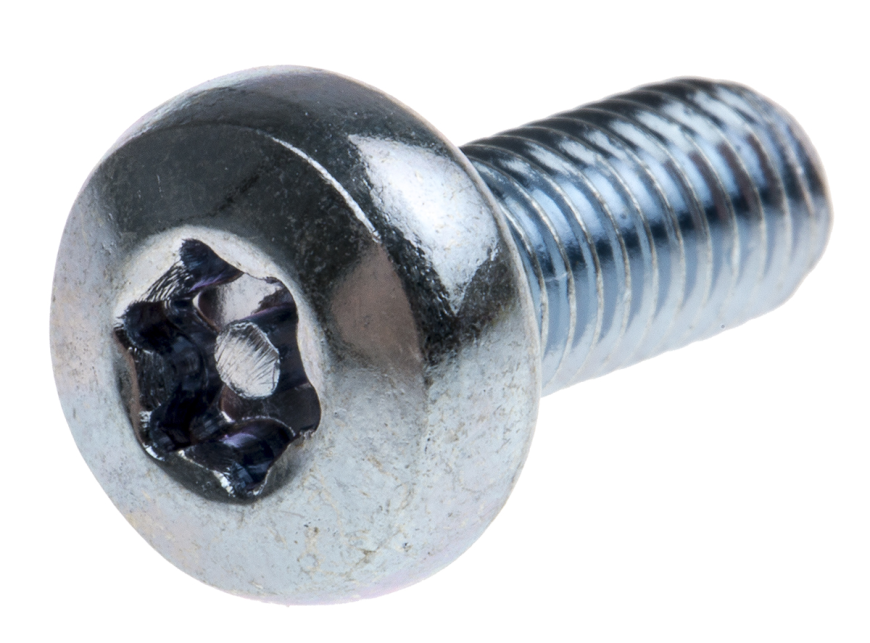
Security Screws are precision-engineered fasteners created to prevent unauthorised removal, deter vandalism, and safeguard critical equipment. In a world where physical systems support advanced electronics, automation, and public infrastructure, securing access points has become a strategic necessity. These tamper-resistant screws offer a dependable solution for environments that demand durability and controlled access.
Unlike conventional fasteners, Security Screws are designed with specialised drive patterns that require matching tools. This added complexity significantly reduces the likelihood of interference while maintaining structural stability.
The Growing Importance of Physical Tamper Resistance
While cybersecurity receives significant attention, physical security remains equally essential. Electrical enclosures, automation cabinets, public installations, and consumer devices all contain components that must remain protected.
Security Screws help prevent:
- Exposure to live electrical circuits
- Adjustment of calibrated sensors
- Damage to microcontrollers and controllers
- Removal of protective covers from switches and fuses
- Interference with connectors and internal wiring
In sensitive systems, even minor tampering can disrupt performance or create safety hazards. Secure fastening ensures equipment operates consistently and reliably.
Engineering Behind Security Screws
The effectiveness of Security Screws lies in their design. Their drive mechanisms are intentionally non-standard, preventing removal with everyday tools.
Common design characteristics include:
- Unique internal recess patterns
- Offset or asymmetrical drive shapes
- Limited torque access without dedicated bits
- Reinforced heads resistant to stripping
Some designs prioritise temporary tamper resistance, allowing authorised maintenance access. Others are intended for permanent installations where removal is not expected.
Major Categories of Security Screws
Internal Drive Security Fasteners
These screws use concealed drive shapes that require special driver bits. They are common in electronics, access panels, and automation systems.
One Directional Screws
These fasteners can be tightened normally, but resist loosening. They are frequently used in public settings to deter vandalism.
Proprietary Pattern Screws
Certain applications require custom drive systems accessible only to specific organisations. These are often used in regulated industries and secure facilities.
High Strength Structural Security Screws
Designed for heavy-duty installations, these screws combine tamper resistance with high load capacity. They are often used in infrastructure and transportation systems.
Each category addresses different risk levels and operational requirements.
Applications Across Modern Industries
Security Screws are widely integrated into systems that require reliable physical protection.
Telecommunications and Data Infrastructure
Communication cabinets and data enclosures house complex electronics, cables, and microprocessors. Securing these units prevents service disruption and equipment theft.
Energy and Power Systems
Power distribution panels contain contactors, capacitor assemblies, switches, and monitoring devices. Tamper-resistant fastening reduces the risk of accidental exposure or sabotage.
Transportation and Public Installations
Street lighting, information boards, and ticketing machines are vulnerable to vandalism. Security Screws provide a visible and functional deterrent.
Consumer Electronics
Devices such as laptops and smart equipment contain thermal management components, sensors, and circuit boards. These screws help protect internal architecture from unauthorised access.
Material and Environmental Considerations
Selecting the correct material enhances both security and longevity.
Key material options include:
- Stainless steel for corrosion resistance
- Hardened alloy steel for strength
- Zinc-coated steel for balanced protection
- Speciality alloys for extreme environments
Environmental factors such as moisture, thermal variation, and exposure to oils influence material selection. In outdoor environments, corrosion-resistant finishes are essential to maintain integrity over time.
Benefits Beyond Tamper Prevention
Security Screws offer advantages beyond simply restricting access.
- Support regulatory compliance in safety-critical systems
- Reduce long-term maintenance costs
- Protect proprietary technology and intellectual property
- Maintain calibration of precision instruments
- Enhance overall asset lifespan
Because these screws discourage unauthorised removal, they also reduce the frequency of equipment damage caused by improper handling.
Best Practices for Selecting Security Screws
Choosing the right solution requires evaluating specific operational needs.
Consider:
- Level of exposure to public access
- Frequency of maintenance access
- Type of material being fastened
- Vibration and load conditions
- Environmental exposure
For example, high-vibration environments such as manufacturing lines may require deeper thread engagement. Systems containing delicate electronics, such as microcontrollers or thermal pads, require stable fastening without excessive torque.
Tool management is also critical. Access to specialised driver bits should be controlled to maintain the integrity of the security system.
Integration with Modern Design and Engineering
Product designers increasingly integrate Security Screws into their designs at the development stage. Incorporating tamper-resistant fasteners early in the design process enhances reliability and reduces retrofitting costs.
In automation systems that combine sensors, controllers, and complex wiring assemblies, securing access panels supports consistent operation. Physical security works alongside digital safeguards to create a comprehensive protection strategy.
As smart technologies continue to expand across industries, securing the hardware foundation remains essential.
Conclusion
Security Screws are a vital component of modern physical protection strategies. Their specialised drive systems, durable materials, and wide range of applications make them suitable for infrastructure, electronics, automation, and public installations.
By carefully selecting the appropriate type and material, organisations can significantly reduce tampering risks while improving equipment reliability in environments where safety, performance, and asset protection matter most. Security Screws offer a dependable, strategic fastening solution.

 joddie25