The Role of Smart Technology in Modern Stock Market Trading
The Role of Smart Technology in Modern Stock Market Trading
 Andune
Technology has transformed nearly every aspect of modern life, and the financial world is no exception. Over the past decade, stock market trading has evolved rapidly due to advancements in digital platforms, artificial intelligence, automation, and real-time data analytics. What once required physical broker interactions and manual paperwork can now be done instantly through smartphones and automated systems.
Modern investors no longer rely solely on traditional trading methods. Instead, they use advanced software, smart analytics, automated alerts, and AI-driven tools to make faster and more informed decisions. From beginner investors to experienced traders, technology has become an essential part of stock market participation.
The rise of smart technology has not only improved efficiency but has also made trading more accessible to ordinary individuals. Retail investors now have access to tools that were previously available only to financial institutions and professional traders.
In this article, we will explore how smart technology is reshaping modern stock market trading, the major innovations driving this transformation, the benefits and risks involved, and what the future of technology-driven trading may look like.
The Evolution of Stock Market Trading
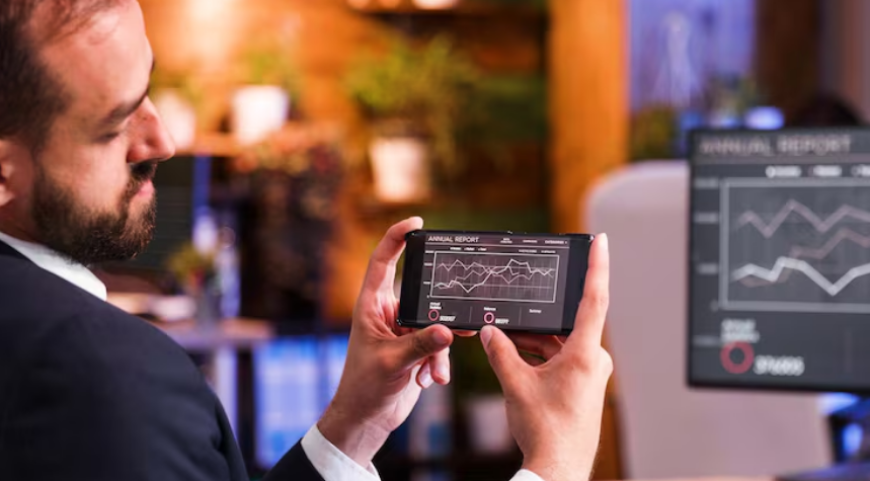
Traditional stock trading was once a slow and complex process. Investors had to place orders through brokers, rely on delayed information, and manage physical share certificates. Transactions often required significant paperwork and processing time.
The introduction of digital trading platforms changed the industry dramatically. Online trading systems enabled investors to execute trades electronically, access real-time market information, and manage portfolios more efficiently.
Today, smart technology has taken this transformation even further by integrating artificial intelligence, machine learning, cloud computing, and automation into trading platforms.
Modern trading is now faster, smarter, and far more data-driven than ever before.
Accessibility Through Mobile Trading Platforms
One of the biggest impacts of smart technology has been the rise of mobile trading applications. Investors can now monitor the market, buy or sell stocks, and manage portfolios directly from their smartphones.
Mobile trading platforms offer:
-
Real-time stock prices
-
Instant trade execution
-
Portfolio tracking
-
Financial news updates
-
Educational tools
-
AI-powered recommendations
This convenience has encouraged greater participation from retail investors, particularly younger generations who prefer mobile-first financial services.
Technology has effectively removed many traditional barriers to entry in the stock market.
Artificial Intelligence in Stock Market Trading
Artificial intelligence (AI) is playing an increasingly important role in modern trading systems. AI algorithms can analyze large volumes of financial data much faster than humans, helping traders identify patterns and opportunities more efficiently.
How AI Is Used in Trading
AI-powered trading platforms can:
-
Analyze historical market data
-
Predict price trends
-
Generate trading signals
-
Monitor risk levels
-
Optimize investment portfolios
-
Detect unusual market activity
Machine learning systems continuously improve their performance by learning from market behavior and past trading outcomes.
AI technology helps investors make more informed and data-driven decisions.
Algorithmic Trading Is Growing Rapidly
Algorithmic trading, commonly known as algo trading, refers to the use of computer programs and predefined instructions to execute trades automatically.
These systems can place trades based on:
-
Price movements
-
Trading volumes
-
Technical indicators
-
Market conditions
-
Timing strategies
Algo trading reduces human emotions and allows faster execution of trades.
Today, many traders and institutions use algo trading software india solutions to automate strategies, improve execution speed, and manage large trading volumes more efficiently.
Algorithmic trading has become a major part of modern financial markets globally.
Real-Time Market Data and Analytics
Access to real-time information is one of the most valuable advantages of modern trading technology.
Investors now have instant access to:
-
Live stock prices
-
Market trends
-
Company financial reports
-
Economic news
-
Technical charts
-
Trading indicators
Real-time analytics help traders respond quickly to changing market conditions and improve decision-making accuracy.
Advanced charting tools and data visualization features also simplify complex market analysis for users.
Smart Alerts and Notifications
Modern trading platforms provide intelligent alerts and notifications that help investors stay updated without constantly monitoring the market.
For example, many investors use a stock alert app to receive instant notifications about price movements, technical indicators, earnings updates, and market trends.
These alerts help traders:
-
Track target prices
-
Monitor volatility
-
Manage risk
-
Respond quickly to opportunities
Smart notifications improve convenience and allow investors to stay informed even while away from trading screens.
Automation Improves Trading Efficiency
Automation has become one of the most important technological advancements in modern trading.
Automated systems can handle repetitive tasks such as:
-
Order execution
-
Portfolio rebalancing
-
Risk management
-
Market scanning
-
Trade scheduling
Automation reduces manual effort and minimizes the possibility of human error.
For active traders and institutional investors, automation improves efficiency and execution speed significantly.
Cloud Computing and Modern Trading Infrastructure
Cloud technology has strengthened the reliability and scalability of trading platforms.
Cloud-based infrastructure enables:
-
Faster data processing
-
Better platform stability
-
Remote access
-
Secure data storage
-
High-speed execution
Modern trading systems rely heavily on cloud computing to manage large volumes of transactions and market data efficiently.
Cloud technology also allows platforms to update features and security systems continuously.
Big Data Is Transforming Investment Analysis
Financial markets generate enormous amounts of data every second. Smart technology allows investors and institutions to analyze this information more effectively.
Big data analysis helps identify:
-
Market trends
-
Investor behavior patterns
-
Economic indicators
-
Trading opportunities
-
Risk factors
Advanced data analytics tools help investors make more strategic decisions based on detailed market insights.
This data-driven approach is changing the way both retail and institutional investors operate.
Technology Has Increased Retail Investor Participation
One of the most significant outcomes of smart trading technology is the rise of retail investing.
Previously, sophisticated trading tools were accessible mainly to financial institutions and professional traders. Today, retail investors can access advanced features through affordable mobile apps and online platforms.
Technology has empowered individual investors with:
-
Educational content
-
Real-time analytics
-
AI-driven recommendations
-
Automated investing tools
-
Lower transaction costs
This increased accessibility has expanded participation in financial markets worldwide.
Improved Risk Management Tools
Risk management is a critical part of successful trading. Modern technology provides traders with advanced tools to monitor and control investment risks.
Common Risk Management Features
Trading platforms now offer:
-
Stop-loss orders
-
Portfolio diversification analysis
-
Volatility tracking
-
Margin monitoring
-
AI-based risk assessment
These tools help investors reduce losses and make more disciplined trading decisions.
Technology has made professional-level risk management more accessible to everyday investors.
The Role of Blockchain Technology
Blockchain technology is also beginning to influence financial markets and trading systems.
Potential applications include:
-
Faster settlement systems
-
Improved transaction transparency
-
Reduced fraud risk
-
Decentralized trading platforms
-
Tokenized securities
Although blockchain adoption in stock trading is still evolving, it has the potential to reshape financial infrastructure in the future.
Educational Technology and Investor Awareness
Modern trading platforms increasingly focus on investor education. Since many users are beginners, platforms now integrate learning tools directly into their systems.
Educational resources may include:
-
Trading tutorials
-
Webinars
-
Investment simulations
-
Market explainers
-
Strategy guides
Technology-driven education helps investors improve financial literacy and make smarter investment decisions.
Better-informed investors are generally more disciplined and less likely to make emotional trading mistakes.
Challenges and Risks of Smart Trading Technology
While technology offers many advantages, it also introduces certain risks and challenges.
Overdependence on Automation
Some traders rely too heavily on automated systems without understanding market fundamentals.
Cybersecurity Risks
As digital trading grows, cybersecurity threats such as hacking and data breaches become more significant.
Emotional Overtrading
Easy access to trading platforms may encourage excessive trading and impulsive decisions.
Technical Failures
System outages, internet disruptions, or software glitches can affect trading performance during critical market moments.
Investors should use technology responsibly and maintain balanced decision-making.
The Future of Smart Technology in Trading
The future of stock market trading will likely become even more technology-driven.
Emerging innovations may include:
-
Advanced AI-powered investment advisors
-
Voice-based trading systems
-
Predictive analytics
-
Personalized financial planning
-
Quantum computing applications
-
Augmented reality market visualization
As financial technology evolves, trading platforms will become increasingly intelligent, automated, and personalized.
The next generation of investors will likely rely heavily on technology for wealth creation and portfolio management.
Balancing Technology With Human Judgment
Despite technological advancements, human judgment still plays an important role in investing.
Technology can provide data, analytics, and automation, but investors must still:
-
Define financial goals
-
Understand risk tolerance
-
Maintain discipline
-
Avoid emotional decisions
Successful investing requires combining smart technology with thoughtful financial planning and long-term strategies.
Technology should support decision-making rather than replace critical thinking entirely.
Conclusion
Smart technology has revolutionized modern stock market trading by making investing faster, smarter, and more accessible than ever before. From AI-powered analytics and algorithmic trading to real-time alerts and automated investing systems, technology continues to reshape the financial landscape.
Retail investors now have access to advanced tools that improve market analysis, risk management, and trading efficiency. Mobile platforms, cloud computing, big data, and automation are empowering investors to participate in financial markets with greater confidence and convenience.
However, while technology offers powerful advantages, investors should use it responsibly and remain focused on financial discipline, research, and long-term planning.
As innovation continues to evolve, smart technology will play an even greater role in shaping the future of stock market trading and investment management across the world.