Introduction
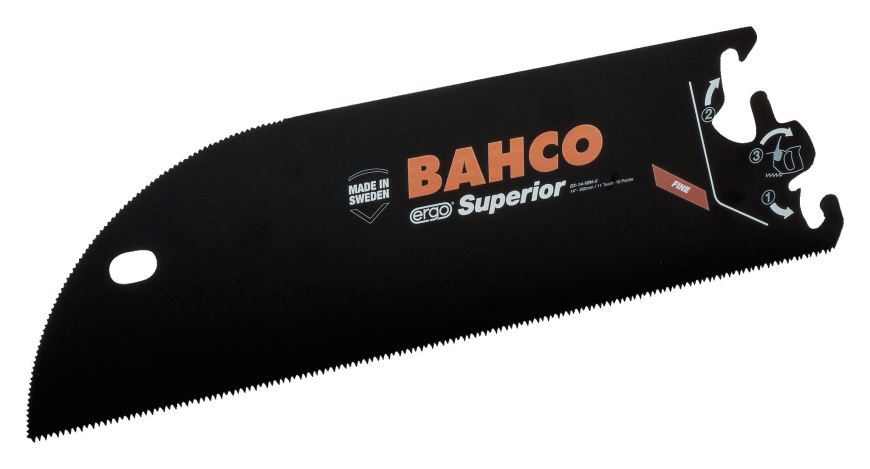
Hand Saw Blades remain an essential part of both professional workshops and home toolkits. These blades, though manually operated, play a pivotal role in crafting, shaping, and cutting materials where electric tools may not be suitable or accessible. While simple in appearance, their construction, tooth pattern, and usage context all contribute to a vastly different performance depending on what you are cutting. Understanding these elements helps you unlock the full potential of your manual cutting tools.
The Working Principle Behind Hand Saw Blades
Every hand saw blade works through a repeated back-and-forth motion powered by manual force. As the user moves the saw, the teeth dig into the material and remove small chips with each stroke. The blade's shape, length, and angle dictate how aggressively it cuts and how clean the result will be. A blade designed for fine woodworking will perform very differently from one used in demolition work, even if they look similar at first glance.
Key Variations Among Blade Types
Different hand saw blades are tailored for specific tasks and materials. Blades used in woodworking tend to be broader and thicker, providing control and rigidity. Fine-toothed blades are common in cabinetmaking or trim work where detail matters more than speed. On the other hand, saws used for plumbing or metal work rely on thinner blades with higher tooth counts to slice through pipe, conduit, or sheet metal. Even gardening tasks benefit from specialised pruning saw blades that are curved to follow branch shapes more naturally.
Materials That Impact Blade Quality
Hand saw blades can be manufactured from various metals and alloys. Basic models often use tempered steel that offers a mix of strength and flexibility, making them ideal for most wood-based applications. For more demanding jobs, manufacturers may use hardened or alloyed steels to prevent bending or snapping. Some premium blades feature tips coated or embedded with tungsten carbide for extended sharpness. The durability of a blade is greatly influenced by how well the metal resists wear and retains its edge over time.
The Science of Tooth Count and Cutting Speed
One of the most misunderstood yet vital aspects of hand saw blades is the number of teeth per inch. Blades with fewer teeth cut faster but leave a rougher finish, which is acceptable in framing or rough carpentry. In contrast, higher tooth counts are designed for slower but cleaner cuts, a necessity in joinery or furniture making. The angle and shape of each tooth also matter. Rip teeth are meant to cut along the grain, while crosscut teeth slice through it more cleanly. Selecting the wrong tooth profile can lead to splintering or blade jamming, especially in harder woods.
Proper Techniques for Better Results
To maximise efficiency and accuracy, it's essential to match your cutting motion to the blade type. Applying steady, even pressure ensures a clean line without excessive strain. Starting the cut with a short, light stroke allows the teeth to create a path without bouncing or skipping. Maintaining alignment with the grain or cut line improves both control and result quality. Speed should be consistent, and excessive force should be avoided to reduce blade wear and user fatigue.
Why Matching the Blade to the Task Matters
A common mistake is using a general-purpose blade for all types of materials. While this might work for light duties, it usually leads to imprecise cuts, extra effort, or even damage to the workpiece. Selecting a blade based on the material and type of cut allows you to work more efficiently. A blade ideal for plywood may struggle with metal pipes or laminate. Task-specific blades may cost more initially but provide far better performance and value in the long run.
Maintenance to Extend Blade Lifespan
Like all tools, hand saw blades need care to remain effective. Cleaning them after each use to remove resin, dust, and debris prevents dullness. Regular sharpening keeps the teeth performing as intended and reduces the physical effort needed. Blades should be stored in a dry place to avoid rust, and protective sleeves can prevent bending or accidental damage. A neglected blade not only loses effectiveness but can also pose safety risks during use.
Where Hand Saw Blades Excel in Practical Use
Hand saw blades are used in various environments where power tools might be impractical. In remote locations without electricity, or in confined spaces where a circular saw cannot reach, hand saws offer flexibility and control. In carpentry, plumbing, home renovation, and even emergency repair scenarios, they remain reliable and precise. Their simplicity also makes them ideal for beginners or educational training where manual skills are essential.
Conclusion
Hand Saw Blades continue to be an essential tool for craftsmen and hobbyists alike. Their design, material, and specific features all play a significant role in determining how effective they are in different tasks. From choosing the right blade for your material to learning the correct cutting technique, understanding the full capability of these tools can drastically improve your project outcomes. When selected and used properly, a hand saw blade proves that sometimes traditional tools still offer the best results.

 joddie25