How Virtual Reality App Development Gives Businesses a Competitive Advantage in 2026
Discover how virtual reality app development helps businesses improve customer engagement, employee training, product visualization, and market competitiveness.
 Dreamertechnoland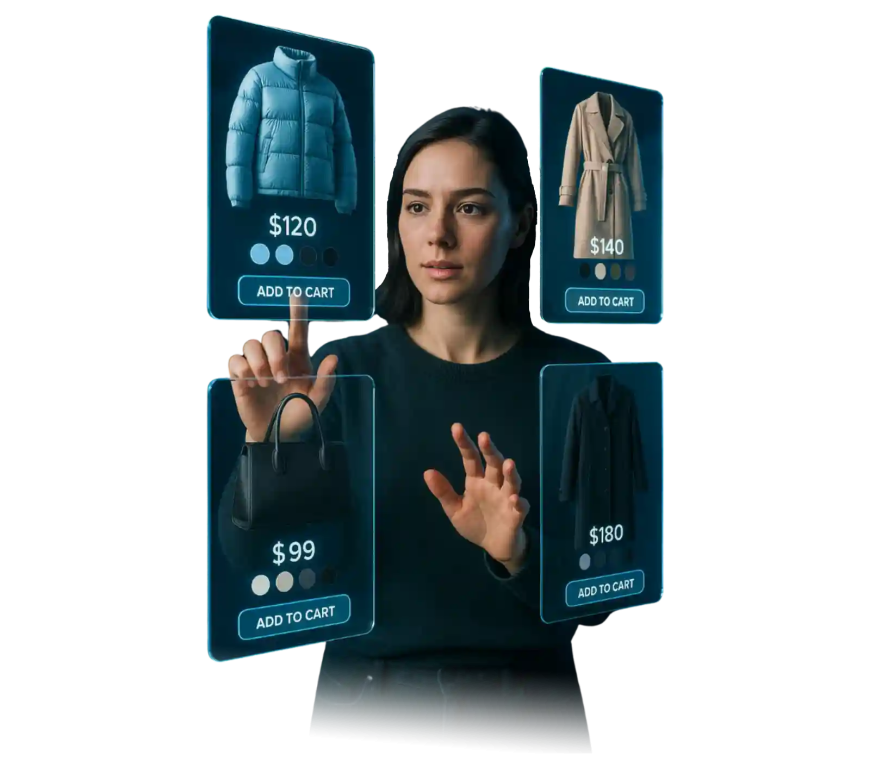
The Companies Winning Customer Attention Are Creating Experiences, Not Just Products
Standing out in today's competitive market is becoming increasingly difficult. Customers expect interactive and engaging experiences rather than traditional product presentations. This shift is encouraging businesses to adopt immersive technologies that create deeper customer connections.
According to PwC, virtual reality and related immersive technologies could contribute up to $1.5 trillion to the global economy by 2030, highlighting the growing business impact of these solutions.
As a result, virtual reality app development is becoming a strategic investment for companies looking to improve customer engagement, enhance training, and gain a competitive advantage. In this article, we'll explore how virtual reality is helping businesses stay ahead in 2026 and beyond.
Immersive Experiences Create Stronger Customer Engagement
Capturing customer attention has become increasingly difficult. Consumers interact with countless brands every day, making it challenging for businesses to stand out.
Virtual reality changes this dynamic by placing users directly inside an experience rather than asking them to observe it from a distance. Whether customers are exploring a property, testing a product, or learning about a service, immersive experiences create stronger emotional connections.
When customers actively participate in an experience, they tend to spend more time engaging with the brand. As a result, businesses often see higher engagement rates, stronger brand recall, and improved customer satisfaction.
Product Visualization Becomes More Powerful
Many businesses struggle to showcase products effectively through static images or videos alone. Customers often have questions about product functionality, dimensions, customization options, and real-world usage.
Virtual reality addresses these challenges by allowing users to interact with products before making a purchase decision.
For example, customers can:
-
Explore products from every angle
-
View different configurations and designs
-
Understand product features more clearly
-
Experience realistic product demonstrations
-
Visualize products in their intended environment
This enhanced level of interaction helps customers make informed decisions while reducing uncertainty throughout the buying process.
Employee Training Becomes Safer and More Effective
Training employees in complex industries often requires significant time, resources, and supervision. In sectors such as manufacturing, healthcare, construction, and logistics, practical training can also involve safety risks.
Virtual reality allows organizations to create realistic training simulations where employees can practice tasks without real-world consequences.
Benefits of VR-based training include:
-
Improved knowledge retention
-
Reduced training costs
-
Consistent learning experiences
-
Enhanced workplace safety
-
Faster employee onboarding
By learning through hands-on virtual experiences, employees often gain confidence and competence more quickly than with traditional training methods.
Business Decisions Can Be Tested Before Implementation
Making major operational decisions often involves substantial financial investment and risk. Whether launching a new retail store, redesigning a manufacturing process, or planning a construction project, businesses need confidence before moving forward.
Virtual reality provides an opportunity to simulate and evaluate ideas before implementation.
Organizations can use VR to:
-
Test facility layouts
-
Review product designs
-
Analyze workflow improvements
-
Preview architectural concepts
-
Evaluate customer experiences
This ability to identify potential challenges early helps reduce costly mistakes and supports better decision-making.
Customer Experiences Become More Personalized
Modern customers expect personalized interactions from the brands they engage with. Generic experiences often fail to create lasting impressions or build strong customer relationships.
Virtual reality applications can be customized based on individual preferences, behaviors, and interests. This allows businesses to deliver more relevant experiences that align with customer needs.
Examples include:
-
Personalized product recommendations
-
Customized virtual showrooms
-
Interactive brand experiences
-
Tailored training environments
-
Individualized service demonstrations
Personalization not only improves engagement but also increases the likelihood of customer conversions and long-term loyalty.
Industries Are Finding New Ways to Use VR Technology
Virtual reality is no longer limited to gaming and entertainment. Businesses across multiple sectors are discovering practical applications that improve efficiency, communication, and customer experiences.
Retail and Ecommerce
Retail brands are creating virtual stores and immersive shopping environments that allow customers to browse products from anywhere.
Real Estate
Property developers and agents use virtual tours to help buyers explore homes and commercial properties without traveling to the location.
Healthcare
Medical organizations use virtual reality for professional training, patient education, therapy programs, and surgical simulations.
Manufacturing
Manufacturers leverage VR to optimize production workflows, improve employee training, and test operational changes before implementation.
Education
Educational institutions use immersive learning environments to make complex subjects easier to understand and more engaging for students.
These use cases demonstrate how versatile virtual reality has become as a business tool.
Custom Solutions Deliver Greater Business Value
While ready-made VR platforms are available, they often fail to meet the specific needs of individual businesses.
Professional custom ar/vr app development services allow organizations to create tailored solutions that align with their goals, workflows, and customer expectations.
Custom applications provide advantages such as:
-
Industry-specific functionality
-
Better system integration
-
Enhanced security
-
Improved scalability
-
Personalized user experiences
As a result, businesses gain greater flexibility and a stronger return on their technology investment.
Competitive Advantage Comes From Early Adoption
History has shown that businesses that embrace emerging technologies early often gain a significant advantage over competitors.
Virtual reality helps organizations:
-
Differentiate their brand
-
Improve customer experiences
-
Enhance employee productivity
-
Reduce operational inefficiencies
-
Strengthen innovation initiatives
As VR technology becomes more mainstream, companies that have already established immersive experiences will be better positioned to lead their industries.
Understanding Custom AR/VR App Development Cost
One of the most common questions businesses ask before starting a VR project relates to custom ar/vr app development cost.
Several factors influence the overall investment, including:
-
Project complexity
-
Design requirements
-
Hardware compatibility
-
Interactive features
-
Third-party integrations
-
Content development needs
The cost will vary depending on business objectives and technical requirements. However, many organizations view virtual reality as a long-term investment that can improve efficiency, increase engagement, and generate measurable business value.
Choosing the Right Technology Partner
The success of a virtual reality project depends heavily on the expertise of the development team behind it.
Many businesses choose to work with an experienced custom software development company that understands immersive technologies, user experience design, and scalable software architecture.
A skilled development partner can help organizations identify the right opportunities for VR adoption while ensuring the final solution aligns with business goals.