What the Typography Choices of Top Creators Have in Common?
Top creators pick fonts that match their vibe and build trust fast. See what their typography choices share and how to apply the same thinking to your own profile.
 xiaouprincess
Most people admire a great creator profile without stopping to ask why it looks good.
They notice the photos, the content quality, the captions. But underneath all of that sits something quieter. The way text is styled. The weight of the bio font. Whether the username looks plain or polished. These micro-decisions shape how a profile feels before anyone reads a single word.
Top creators make these decisions on purpose. And when you look across hundreds of high-performing profiles, the same patterns show up again and again. If you want to reverse-engineer what works, a fancy text generator gives you direct access to the same kind of Unicode font styling that popular creators use across every major platform. But first, it helps to understand the logic behind the choices.
Pattern One: Consistency Across Every Platform
The first thing that stands out about top creator typography is how consistent it is.
A lifestyle creator who uses elegant cursive in her Instagram bio tends to use the same or a very similar style in her TikTok name and her Twitter handle. Her font choices carry across platforms the same way a logo carries across a brand.
This cross-platform consistency does something important. It makes the creator instantly recognizable. When someone discovers them on TikTok and then finds them on Instagram, the visual style confirms it is the same person without them needing to check the username carefully.
Smaller creators often skip this step. They use whatever default font a platform gives them, and their profiles end up looking completely different from one another. Top creators treat their text styling as a visual brand element the same way they treat their color palette or their content aesthetic.
The lesson is simple. Decide on a font style that fits your brand personality and carry it consistently wherever your name appears.
Pattern Two: The Style Matches the Niche
Look at any high-performing creator in a specific niche and their font style will almost always match the energy of that niche.
Fitness creators tend toward strong, bold lettering. Their usernames and bio text feel muscular and direct. Soft lifestyle creators lean toward flowing cursive or aesthetic script styles that feel warm and personal. Gaming creators use sharp, edgy, or glitch-style text that fits the culture of online gaming communities. Luxury and fashion creators stick with clean, elegant, minimal styling that mirrors high-end brand aesthetics.
This is not coincidence. It is a form of nonverbal communication. The font style signals who this space is for before the content says a word.
When a fitness coach uses flowing cursive in her bio, something feels slightly off even if a viewer cannot name why. Conversely, when a soft aesthetic creator uses heavy Gothic lettering, the disconnect is jarring. The best creators instinctively match their visual text choices to their content world.
Pattern Three: Bold Styles for High-Stakes Text
Across nearly every top creator profile, bold styling appears in the highest-visibility positions.
The display name is almost always the heaviest, most attention-grabbing element on a profile. The tagline or first line of the bio often uses a slightly lighter but still intentional style. The call to action or link text tends to be plain and readable.
This hierarchy of weight is not accidental. Heavy, styled text draws the eye to what matters most. It creates a visual entry point that tells a viewer where to start reading.
Bold text styles work particularly well for creator names and short, punchy bio openers because they read clearly even at small sizes on mobile screens. A name in bold Unicode styling stands out in a search result, a tagged mention, and a profile grid in a way that plain text simply does not.
The creators who understand visual hierarchy place their boldest text at the exact moment when a stranger first decides whether to pay attention. That moment is almost always the display name and the first line of the bio.
Pattern Four: Readable Body, Styled Accents
Here is something subtle that separates great creator profiles from ones that just look busy.
Top creators rarely style every single element of their bio in a decorative font. They choose one or two places to use distinctive text and keep the rest clean and readable. The name gets the styled treatment. The main body of the bio stays easy to scan. Maybe a single line uses a script or cursive style for warmth or personality. Everything else stays functional.
This approach respects the reader's experience. Decorative fonts are harder to read at speed. If a visitor has to slow down to decode your entire bio, they often will not bother. But one styled element as a visual anchor? That actually makes the rest of the bio easier to read because it creates contrast.
The practical rule that most top creators follow, even if they never named it: one decorative style per profile, everywhere else stays clean.
Pattern Five: Font Choice as Audience Signal
Top creators also use font style to qualify their audience without saying anything directly.
A Gothic-styled username immediately attracts people comfortable with that aesthetic and gently signals to others that this might not be their space. A soft pastel bubble font with floral decorators welcomes a specific kind of viewer before the content even loads. A sharp, modern futuristic font in a tech creator's profile says something about the level of sophistication they expect from their audience.
This filtering function of typography is underrated. When you style your profile text in a way that matches your intended audience's visual preferences, you attract more of the right people and lose fewer of them to confusion about what your space is about.
Think about the creator you want following you. What does their aesthetic look like? What visual world do they already live in? Your font choices can speak that language fluently before your content ever gets the chance.
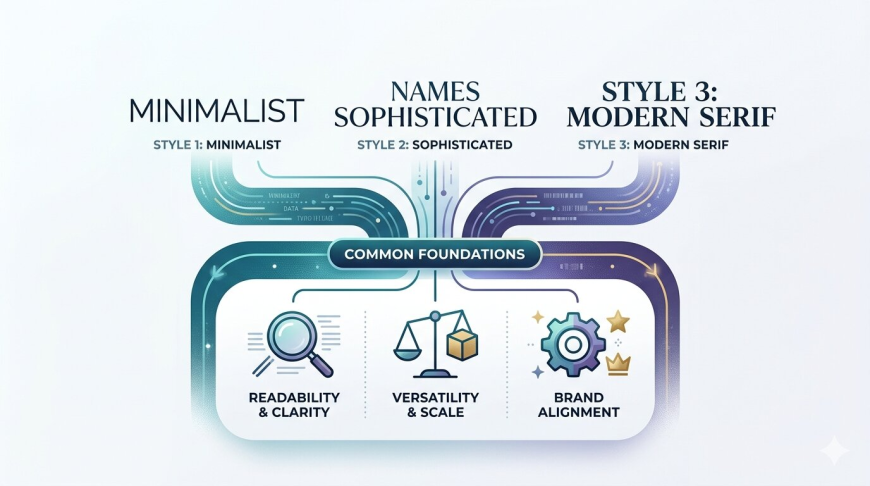
What All These Patterns Share?
Strip away the specifics and all five patterns point to the same underlying principle.
Top creators use typography as intentional communication, not decoration.
Every font choice they make answers a question. Who is this for? What does this space feel like? What should I look at first? Is this person professional or playful, edgy or soft, bold or quiet?
Creators who treat their font choices as afterthoughts get profiles that feel unfinished. Creators who treat typography as part of their brand identity get profiles that feel coherent and trustworthy, even before someone reads the content.
How to Apply This to Your Own Profile?
You do not need to be a designer to use these patterns. You just need to be intentional.
Start with your niche. Ask what visual world your content lives in and what font style fits that world. Then pick a style that feels like a natural fit and use it consistently across every platform where your name appears.
Keep the body of your bio clean. Use styled text for your name or one key line, then let the rest breathe. And make sure whatever you choose reads clearly on a phone screen at normal size.
The goal is not to have the fanciest profile. The goal is to have a profile that feels like it belongs to a real, consistent, intentional creator. Typography is one of the fastest ways to signal that.
Closing Thought: Font Style Is Brand Language
Typography on social media is a language that most people speak fluently as viewers but rarely think about as creators.
When a profile looks cohesive and polished, font choices are doing quiet work behind the scenes. When a profile feels scattered or unfinished, inconsistent or absent text styling is often part of the reason.
Top creators figured this out because they paid attention. They noticed what felt right, what attracted the right audience, and what made their profiles look like they belonged at the top of their niche. Their typography choices reflect the same deliberate thinking they put into their content.
You can apply that same thinking starting today. Pick a style that fits your world, use it consistently, and let your text do some of the brand-building work for you.