Upper Wisdom Tooth Removal in Bryn Mawr, PA
What to expect before, during, and after upper wisdom tooth removal at Bryn Mawr Dental Care, plus when dental implants may be the next step.
 Smith024
Upper Wisdom Tooth Removal in Bryn Mawr: What to Expect Before, During, and After
Upper wisdom tooth removal is usually a straightforward, single-visit procedure. Because upper wisdom teeth sit in softer bone with more room to maneuver than their lower counterparts, most patients recover faster and with less swelling. You will typically be numb or lightly sedated for the procedure, home within an hour, and back to normal activities within two to three days. Dr. Dillon at Bryn Mawr Dental Care reviews your x-rays first to confirm the tooth's position and whether it is impacted, then walks you through anesthesia options, the extraction itself, and a clear recovery plan before you ever sit in the chair.
Why Upper Wisdom Teeth Often Need to Come Out
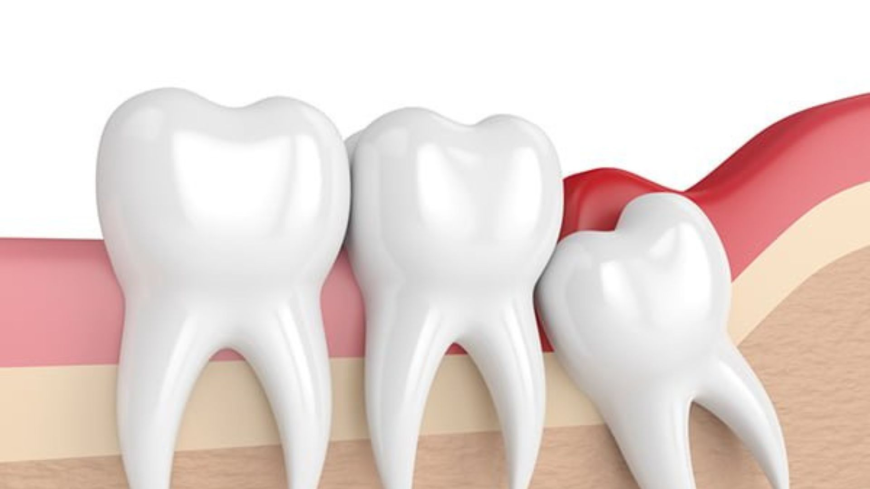
Upper wisdom teeth cause problems more often than people expect, even when they seem to be growing in fine. Common reasons Dr. Dillon recommends removal include:
• Partial eruption that traps food and bacteria against the gum
• Crowding that pushes on neighboring molars
• Decay or gum disease around a tooth that is too far back to clean properly
• An angled or impacted tooth that risks cyst formation over time
• Recurring pain, pressure, or sinus discomfort near the upper jaw
Because the upper jaw bone is less dense than the lower jaw, these teeth are often easier and quicker to remove, which is good news if you have been putting off treatment.
Before Your Extraction: How to Prepare
A little prep goes a long way toward a smooth appointment and easier recovery:
• Eat a normal meal beforehand if you are having local anesthesia only
• Arrange a ride home if you are choosing sedation
• Fill any prescribed pain medication or antibiotics ahead of time
• Wear comfortable, loose clothing and skip jewelry around the face
• Avoid smoking for at least 24 hours before your appointment
Dr. Dillon's team will also confirm whether your specific case calls for local anesthesia, nitrous oxide, or oral sedation, based on the tooth's position and your comfort level.
What Happens During Upper Wisdom Tooth Removal
The procedure itself is quick, often 15 to 30 minutes per tooth. Once you are numb, Dr. Dillon gently loosens the tooth from the surrounding bone and ligament, then removes it in one piece whenever possible. Because upper wisdom teeth have shorter, less curved roots than lower ones, the extraction is frequently more straightforward and stitches are not always necessary. You will bite down on gauze afterward to help a stable clot form, which is the first step in healing.
Recovery: What to Expect After Surgery
Most patients describe upper wisdom tooth recovery as milder than they anticipated. In the first 24 hours, expect some swelling and tenderness, manageable with ice packs and the pain medication recommended by Dr. Dillon. Stick to soft foods like yogurt, mashed potatoes, and smoothies without a straw, since suction can dislodge the healing clot. After the first day, gently rinse with warm salt water to keep the area clean. Most people return to work or school within two to three days, with full soft-tissue healing over the following one to two weeks.
What If You're Missing a Tooth Down the Road? Dental Implants on the Main Line
Wisdom tooth removal is usually the end of the story, but tooth loss from decay, injury, or an old extraction earlier in life is a separate issue many Main Line patients bring up during a checkup. If you are missing a molar or other tooth and want a permanent, natural-feeling replacement, dental implants are worth discussing with Dr. Dillon. An implant replaces both the root and the crown, so it looks, feels, and functions like a natural tooth, without the slipping or bone loss that can come with a bridge or removable partial. Bryn Mawr Dental Care evaluates candidates for dental implants on the Main Line with a full exam and imaging to confirm there is enough bone to support the implant, then walks patients through the placement and healing timeline step by step.
Schedule Your Consultation
Whether you are dealing with an aching upper wisdom tooth or exploring dental implants to replace a tooth you lost years ago, the team at Bryn Mawr Dental Care is ready to help. Call the office or request an appointment online to get a clear, personalized treatment plan from Dr. Dillon.
Frequently Asked Questions
Q: How long does upper wisdom tooth removal take?
A: Most upper wisdom tooth extractions take 15 to 30 minutes per tooth. Because the upper jaw bone is softer and the roots are typically shorter and less curved than lower wisdom teeth, the procedure is often quicker with a smoother recovery.
Q: Is upper wisdom tooth removal more or less painful than lower wisdom tooth removal?
A: Upper wisdom tooth removal is generally less painful and easier to recover from than lower wisdom tooth removal. The bone is less dense and the roots are usually simpler, which means less swelling and a shorter healing window for most patients.
Q: What can I eat after wisdom tooth removal?
A: Stick to soft foods for the first few days, such as yogurt, mashed potatoes, applesauce, and smoothies eaten with a spoon rather than a straw. Avoid hot, spicy, crunchy, or hard foods until Dr. Dillon confirms the area has healed.
Q: When should I see a dentist about my wisdom teeth?
A: See Dr. Dillon if you notice pain, swelling, pressure near the back of your jaw, or difficulty cleaning around a partially erupted tooth. Regular x-rays can also catch an impacted wisdom tooth before it causes symptoms.
Q: Can a tooth lost years ago still be replaced with a dental implant?
A: Yes. Dental implants can typically replace a tooth lost at any point in the past, as long as there is enough healthy bone to support the implant. Bryn Mawr Dental Care evaluates each case individually with imaging before recommending a plan.
Q: How much do dental implants cost on the Main Line?
A: Dental implant cost depends on the number of teeth being replaced, the type of implant, and whether any bone grafting is needed first. Bryn Mawr Dental Care provides a personalized quote after your consultation with Dr. Dillon, and many dental insurance plans cover part of the cost.