Custom Fitness App vs White-Label Solution: Which Is Better in 2026?
 stevejonas
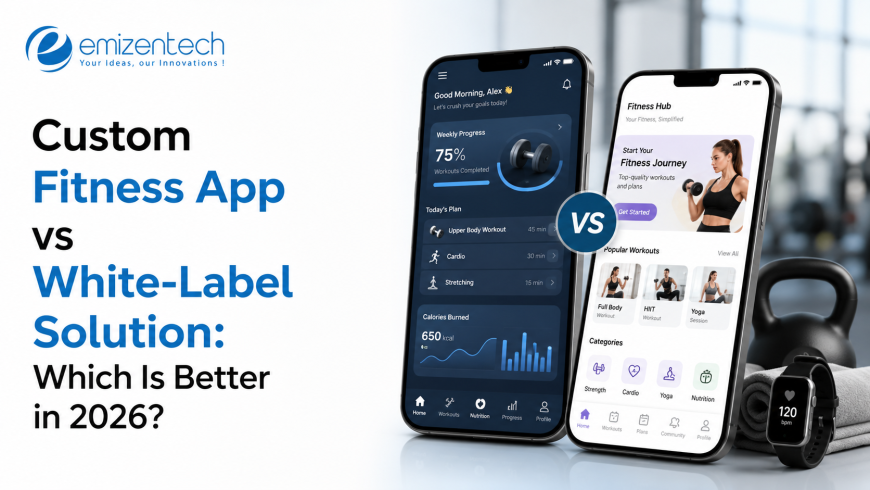
The fitness app market continues to expand in 2026 as consumers increasingly rely on digital solutions to support their health and wellness goals. From workout tracking and nutrition planning to virtual coaching and wearable integrations, fitness apps have become an essential part of many users' daily routines.
As demand grows, businesses, startups, gyms, and personal trainers are exploring opportunities to launch their own fitness platforms. One of the first decisions they face is whether to build a custom fitness app or use a white-label solution. Each approach offers unique advantages and challenges, making it important to understand which option best aligns with specific goals and requirements.
What Is a Custom Fitness App?
A custom fitness app is a solution built specifically for a particular organisation, audience, or use case. Every feature, design element, and integration is developed according to the project's unique requirements. Unlike pre-built platforms, custom applications provide complete control over user experience, branding, and functionality.
For example, a fitness brand may want AI-powered workout recommendations, personalised nutrition plans, or integration with specialised wearable devices. These features can be designed and implemented according to exact business needs. Custom apps often require more time and investment upfront, but they offer greater flexibility and scalability in the long run.
What Is a White-Label Solution?
A white-label solution is a pre-developed application that can be rebranded and customized to some extent before launch. The provider builds the core platform, while businesses add their logo, colours, and selected configurations.
This approach is commonly used by gyms, trainers, and startups looking to enter the market quickly without building an app from scratch. White-label platforms typically include standard fitness features such as workout libraries, progress tracking, membership management, and scheduling tools. While they reduce development time and costs, they may also limit future customisation options.
Benefits of Custom Fitness Apps vs White-Label Solutions
Both custom and white-label approaches offer distinct advantages. Understanding these benefits helps organisations evaluate which option aligns best with their budget, timeline, growth strategy, and user expectations.
Customisation and Flexibility
Custom fitness apps provide complete freedom to create unique features, workflows, and interfaces tailored to specific user needs. White-label solutions offer limited flexibility because businesses must work within the framework and capabilities already provided.
Development Speed
White-label solutions can significantly reduce launch timelines because the core application is already developed and tested. Custom applications require planning, design, development, and testing phases, resulting in a longer but more tailored implementation process.
Branding Opportunities
A custom application enables organisations to create a fully branded experience that reflects their identity and market positioning. White-label platforms support branding elements but often retain underlying structures that may resemble competing applications.
Scalability Potential
As businesses grow, fitness applications often require additional features, integrations, and performance improvements. Custom apps can evolve according to changing requirements, while white-label solutions may face limitations imposed by platform architecture or provider restrictions.
Maintenance and Support
White-label providers typically manage updates, security patches, and technical support, reducing operational responsibilities. Custom applications require dedicated maintenance planning, but they provide greater control over future improvements and feature releases.
Custom Fitness App vs White-Label Solution: Detailed Comparison
When comparing custom and white-label solutions, organisations should consider several important factors beyond initial costs. Long-term usability, ownership, and adaptability often have a greater impact on overall success.
Development Cost
White-label solutions generally require lower upfront investment because development has already been completed. Custom apps involve higher initial costs due to research, design, coding, testing, and deployment. However, ongoing licensing fees can influence long-term expenses.
User Experience
User experience plays a major role in engagement and retention. Custom applications allow businesses to design unique user journeys and personalised experiences. White-label solutions offer proven functionality but may not provide the same level of differentiation.
Security and Data Ownership
Fitness apps frequently collect sensitive health and activity information. Custom applications provide greater control over security policies, data storage, and compliance requirements. White-label solutions depend heavily on the provider's infrastructure and security practices.
Third-Party Integrations
Modern fitness apps often connect with wearable devices, payment gateways, nutrition platforms, and health-tracking tools. A fitness app development company can implement custom integrations based on specific requirements, while white-label solutions typically offer a predefined range of supported services.
Long-Term Return on Investment
Although custom development requires greater initial investment, it often provides stronger long-term value through scalability and ownership. White-label platforms may deliver faster short-term returns but can become restrictive as business needs evolve.
When Should You Choose a Custom Fitness App?
Custom development is most suitable for organisations seeking complete control, unique functionality, and long-term growth opportunities. It supports businesses aiming to create differentiated experiences within a competitive market.
Building a Unique Fitness Brand
Companies looking to establish a strong market presence often benefit from custom development. Unique interfaces, personalised experiences, and innovative features help create memorable user interactions and strengthen brand recognition over time.
Requiring Advanced Features
Features such as AI-powered coaching, personalised wellness programmes, predictive analytics, and specialised wearable integrations often require custom development. These capabilities can be difficult to implement effectively through standard white-label frameworks.
Planning for Future Expansion
Businesses with ambitious growth plans need technology that can evolve alongside changing requirements. Custom applications support additional features, increased user traffic, and new service offerings without major platform limitations.
Serving a Large User Base
As fitness communities grow, application performance becomes increasingly important. Custom solutions provide greater flexibility for infrastructure optimisation, helping maintain reliable experiences for thousands or even millions of users.
When Is a White-Label Fitness Solution the Right Choice?
White-label solutions remain a practical option for organisations that prioritise affordability, simplicity, and speed. They provide a straightforward path to market without the complexities associated with custom development.
Launching Quickly
Organisations aiming to enter the market rapidly often choose white-label platforms. Since the application framework already exists, businesses can focus on branding and configuration rather than lengthy development processes.
Working Within a Limited Budget
Startups and smaller fitness organisations may not have the resources needed for custom development. White-label solutions reduce upfront investment while still providing access to core fitness app functionality.
Validating a Business Idea
Before investing heavily in development, some organisations prefer to test demand. White-label solutions allow businesses to gather user feedback and validate concepts before committing to more advanced technology investments.
Managing Basic Requirements
Not every fitness application requires extensive customisation. Businesses offering standard workout plans, scheduling, and membership services may find that a white-label platform adequately meets their operational needs.
Which Option Is Better in 2026?
There is no single answer because the best choice depends on business objectives, available resources, and long-term expectations. Both approaches remain valuable, but they address different priorities and challenges.
Best Option for Startups
Many startups benefit from white-label solutions because they reduce financial risk and accelerate market entry. Faster deployment allows founders to test concepts and understand customer needs before making larger investments.
Best Option for Fitness Studios and Gyms
Fitness studios often require a balance between cost efficiency and customisation. Their decision depends on whether they prioritise rapid deployment or specialised experiences that support member engagement and retention.
Best Option for Established Fitness Brands
Larger fitness brands typically gain more value from custom applications because they require advanced functionality, deeper integrations, and greater control over the customer experience across multiple channels.
Final Verdict
White-label solutions excel in affordability and speed, making them ideal for testing concepts and launching quickly. Custom fitness apps provide stronger scalability, flexibility, and ownership, making them more suitable for long-term growth strategies.
Conclusion
Custom fitness apps and white-label solutions each serve different purposes within the growing digital fitness ecosystem. White-label platforms offer a faster and more affordable route to market, while custom applications provide greater flexibility, scalability, and control over future development.
The right choice depends on factors such as budget, launch timeline, desired features, and long-term growth plans. Organisations should carefully assess both options before making a decision. As investment in fitness mobile app development continues to increase, selecting the most suitable development approach can have a lasting impact on user satisfaction and business success. Companies such as EmizenTech demonstrate how different development strategies can be aligned with evolving fitness industry requirements.
FAQs
1. What is the main difference between a custom fitness app and a white-label solution?
A custom fitness app is built specifically for a business, while a white-label solution is a pre-built platform that can be rebranded and customized to a limited extent.
2. Which option is more affordable?
White-label solutions generally have lower upfront costs because the development work has already been completed by the platform provider.
3. How long does it take to build a custom fitness app?
Development timelines vary depending on complexity, but custom fitness apps usually take several months to design, develop, test, and launch.
4. Can white-label fitness apps be customised?
Yes, white-label apps can be customised through branding, content updates, and certain feature configurations, although flexibility is typically limited compared to custom development.
5. Which solution is better for long-term growth?
Custom fitness apps are generally better suited for long-term growth because they offer greater scalability, ownership, and flexibility for future enhancements.