How to Build an On-Demand Beauty Service App
Build an on-demand beauty service app with essential features, AI integration, technology stack insights, and development steps for business success.
 stevejonas
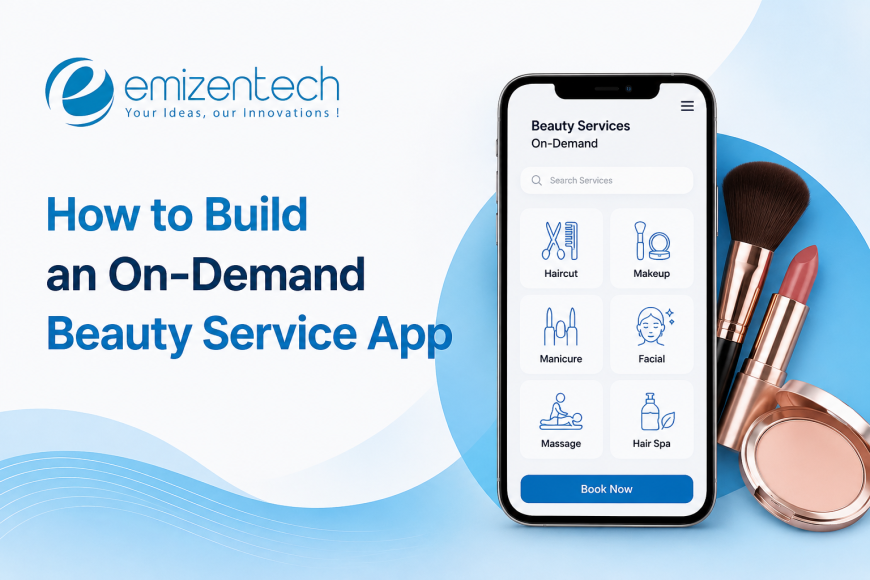
The beauty and wellness industry has undergone a significant digital transformation in recent years. Customers increasingly prefer the convenience of booking beauty services through mobile applications rather than making phone calls or visiting salons in person. From hairstyling and makeup services to skincare treatments and spa appointments, users now expect quick access to beauty professionals at their preferred time and location.
As customer expectations continue to evolve, businesses are investing in digital platforms that simplify bookings, improve customer experiences, and streamline daily operations. An on-demand beauty service app can help connect customers with beauty professionals while making appointment management more efficient for everyone involved.
What Is an On-Demand Beauty Service App?
An on-demand beauty service app is a digital platform that allows customers to discover, schedule, and pay for beauty services through their smartphones. These apps connect users with salons, beauty experts, or freelance professionals who offer services either at a salon location or at the customer’s home.
The platform typically includes features such as service browsing, appointment scheduling, payment processing, notifications, and customer reviews. By bringing these functions together in one place, beauty service apps create a convenient experience for customers while helping businesses manage bookings more effectively.
Why the Demand for Beauty Service Apps Is Growing
The increasing popularity of beauty service apps is driven by changing customer behaviors, growing smartphone adoption, and the demand for convenience. Consumers now expect faster and more personalized experiences when booking services.
-
Customers can book appointments anytime without calling or visiting a salon.
-
Busy lifestyles have increased demand for at-home beauty services.
-
Digital payments provide a faster and more secure transaction experience.
-
Customers appreciate transparent pricing, reviews, and service details.
-
Beauty professionals can manage schedules more efficiently.
-
Businesses can reduce manual booking errors and administrative work.
-
Mobile apps help improve customer engagement through notifications and personalized offers.
-
Growing competition encourages beauty businesses to adopt digital solutions.
Planning Your On-Demand Beauty Service App
Careful planning lays the foundation for a successful app. Before development begins, businesses should clearly define their goals, target audience, and service offerings to ensure the application meets market demands and user expectations.
Define Your Business Model
Determine whether the app will support a single salon, multiple salons, freelance beauty professionals, or a combination of these models. The business structure will influence feature requirements and platform functionality.
Identify Your Target Audience
Understanding customer demographics, preferences, and booking behaviors helps shape the app's design and features. Different audiences may prioritize convenience, affordability, premium services, or personalized experiences.
Analyze Competitors and Market Demand
Studying existing beauty service platforms provides valuable insights into industry trends, customer expectations, and feature gaps. This research can help businesses create a more competitive and user-focused application.
Core Features Required for an On-Demand Beauty Service App
The success of an on-demand beauty service app depends heavily on its features. The platform should offer a seamless experience for customers, beauty professionals, and administrators while simplifying booking and service management processes.
Customer App Features
Customers should be able to register easily, browse services, schedule appointments, make secure payments, receive notifications, and leave reviews. These features help create a smooth and convenient booking experience.
Beauty Professional Features
Service providers need tools to manage profiles, update availability, accept appointments, track earnings, and communicate with customers. Efficient scheduling features help minimize conflicts and improve productivity.
Admin Panel Features
Administrators require a centralized dashboard to manage users, services, bookings, payments, reviews, and business performance. Reporting tools provide valuable insights that support operational decision-making.
In many cases, businesses focus on balancing user convenience with operational efficiency. Features that simplify appointment scheduling, customer management, and communication often contribute significantly to customer satisfaction and overall business effectiveness.
Choosing the Right Technology Stack
Selecting the right technology stack plays a critical role in app performance, scalability, security, and long-term maintenance. For businesses investing in salon app development, the chosen technologies should support both current requirements and future business growth while ensuring a seamless user experience across devices and platforms.
Frontend and Mobile Development Technologies
Modern frameworks such as Flutter and React Native enable businesses to develop applications for multiple platforms efficiently. Native technologies may also be considered when platform-specific performance is required.
Backend and Database Solutions
The backend manages user data, bookings, payments, notifications, and business logic. Reliable databases and scalable server architectures help ensure smooth operation as user activity increases.
Cloud Infrastructure and Integrations
Cloud services support data storage, security, scalability, and performance optimization. Integrating payment gateways, location services, messaging systems, and notification tools enhances the overall user experience.
Many organizations seeking beauty salon app development services prioritize scalable architectures that can support future feature additions and growing user demand without major system changes.
Step-by-Step Process to Build an On-Demand Beauty Service App
Building a successful beauty service application requires a structured development approach. Each stage contributes to creating a stable, user-friendly platform that aligns with business objectives and customer needs.
Requirement Gathering and Project Planning
The first step involves defining business goals, identifying required features, understanding user expectations, and establishing project timelines. A detailed roadmap helps guide the development process.
Wireframing and UI/UX Design
Design teams create wireframes and user interface layouts that outline how users will navigate the application. Clear and intuitive designs improve usability and customer satisfaction.
App Development and Backend Setup
Developers build the customer-facing application, provider portal, and administrative dashboard while establishing backend systems that support data management and functionality.
API and Third-Party Integration
Essential services such as payment gateways, SMS notifications, push notifications, and location tracking are integrated to enhance app functionality and improve user experiences.
Quality Assurance and Testing
Comprehensive testing identifies bugs, usability issues, and performance concerns before launch. This stage helps ensure the application functions correctly across different devices and operating systems.
Deployment and App Launch
After successful testing, the application is released to app stores and made available to users. Continuous monitoring helps identify areas for future improvement.
AI Features That Can Enhance Beauty Service Apps
Artificial intelligence is helping beauty service apps become more efficient and personalized. AI-powered capabilities can improve customer experiences while supporting smarter business operations.
AI-Powered Recommendations and Personalization
AI can analyze customer preferences, booking history, and service patterns to recommend treatments, professionals, or packages that align with individual needs and interests.
Smart Scheduling and Customer Support
Intelligent scheduling systems can optimize appointment availability and reduce booking conflicts. AI chatbots can also answer common questions and provide support outside business hours.
Predictive Analytics and Business Insights
AI-driven analytics can identify booking trends, seasonal demand patterns, and customer behaviors. These insights help businesses make informed decisions regarding staffing, promotions, and service offerings.
For example, a beauty service platform may use AI to recommend skincare treatments based on previous bookings or suggest appointment times based on user preferences.
Cost Factors Affecting Beauty Service App Development
Development costs vary depending on business requirements, technical complexity, and feature selection. Understanding these factors helps businesses establish realistic budgets and project expectations.
Features and Functional Requirements
Advanced capabilities such as real-time tracking, AI integration, multiple user roles, and custom workflows generally increase development complexity and costs.
Design and Platform Selection
Custom user interface designs, animations, and support for multiple platforms can impact overall project expenses. Businesses must balance functionality with budget considerations.
Integrations and Ongoing Maintenance
Third-party integrations, cloud infrastructure, security updates, and regular maintenance contribute to long-term operational costs. Continuous improvements are often necessary to remain competitive.
Tips for Launching and Scaling Your Beauty Service App
Launching an app successfully requires more than development alone. Businesses should focus on user acquisition, retention, and continuous improvement to achieve sustainable growth.
Focus on User Acquisition and Retention
Effective marketing strategies, referral programs, and excellent customer experiences can help attract and retain users. Positive reviews and word-of-mouth recommendations often drive growth.
Expand Services Based on Customer Demand
Monitoring customer preferences can reveal opportunities to introduce new services, providers, or service categories that increase engagement and revenue potential.
Use Analytics for Continuous Improvement
Performance data, customer feedback, and usage patterns provide valuable insights for future updates. Regular improvements help maintain relevance and enhance user satisfaction over time.
Businesses that continuously adapt to changing customer expectations are often better positioned to scale successfully within the competitive beauty and wellness market.
Conclusion
Building an on-demand beauty service app requires careful planning, the right technology, user-focused features, and a structured development process. From understanding customer needs and selecting the appropriate technology stack to integrating AI capabilities and scaling operations, every stage plays an important role in the app’s success.
A successful platform combines technology, user experience, and business strategy to create value for customers and service providers alike. As the beauty industry continues to embrace digital transformation, on-demand beauty service apps are expected to play an increasingly important role in how services are discovered, booked, and delivered. Organizations such as EmizenTech continue to contribute to the broader conversation around digital innovation in mobile application development.
FAQs
1. What is an on-demand beauty service app?
An on-demand beauty service app is a mobile platform that allows customers to book beauty and wellness services directly from their smartphones.
2. What features should a beauty service app include?
Common features include appointment booking, user profiles, payment integration, notifications, reviews, service management, and an administrative dashboard.
3. How long does it take to build a beauty service app?
The timeline depends on feature complexity, design requirements, integrations, and development resources. Development can range from a few months to longer for advanced applications.
4. Why is AI useful in beauty service apps?
AI can improve personalization, automate customer support, optimize scheduling, and provide business insights through predictive analytics.
5. What factors influence beauty service app development costs?
Major factors include feature complexity, platform selection, custom design requirements, third-party integrations, maintenance needs, and scalability requirements.