

How Long Does Ceramic Coating for Cars Last?
Learn how long ceramic coating lasts, what affects its durability, and how proper maintenance can help protect your car's paint.
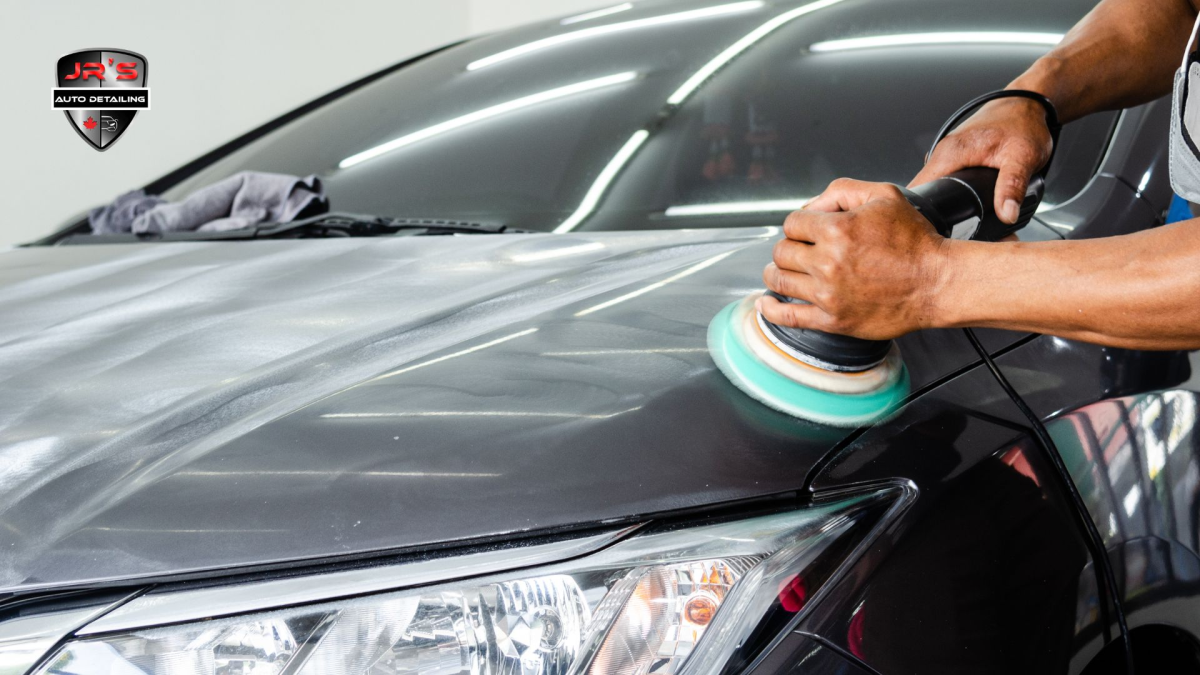
Ceramic coating has become a popular option for vehicle owners who want to protect their paint while making routine cleaning easier. Unlike traditional waxes and sealants that sit on the surface for shorter periods, a professional ceramic coating is designed to chemically bond with properly prepared automotive paint. Once cured, it creates a protective layer that can provide hydrophobic properties and help reduce the effects of everyday environmental exposure. But one of the most common questions vehicle owners ask is, how long does ceramic coating for cars last?
The answer depends on several factors, including the type of coating, preparation before application, installation quality, driving conditions, storage, and ongoing maintenance. Some ceramic coating products are designed for shorter periods, while professional-grade coatings may be designed to provide protection for several years when properly applied and maintained. There is no single lifespan that applies to every ceramic coating because products and conditions vary.
For vehicle owners researching auto ceramic coating Edmonton, understanding these factors can help set realistic expectations. Ceramic coating is not a permanent shield and does not make automotive paint immune to scratches, stone chips, stains, or every type of environmental damage. Instead, it provides an additional protective surface that can help maintain the appearance of properly prepared paint.
The preparation process is one of the most important factors affecting ceramic coating performance. Before the coating is applied, the vehicle needs to be thoroughly cleaned and decontaminated. Washing removes surface dirt and road grime, while additional decontamination can remove contaminants that remain bonded to the paint.
Iron particles, industrial fallout, tree sap, road film, and other contaminants may remain on the surface even after a normal wash. If these materials are not properly addressed, they can interfere with the bonding process and affect the final appearance of the coating. Professional preparation creates a cleaner surface for the ceramic coating to bond with.
Paint correction may also be recommended depending on the vehicle's condition. Swirl marks, light scratches, oxidation, and other imperfections remain visible beneath a transparent coating. Applying ceramic coating does not remove these defects. If the owner wants the paint to have a cleaner appearance before coating, paint correction can be performed as part of the preparation process.
This is particularly relevant for older vehicles. A vehicle that has been driven for several years may have accumulated washing marks, oxidation, and environmental staining. Correcting suitable imperfections before ceramic coating can improve the appearance of the finished surface while providing a cleaner foundation for the protective product.
The quality of the ceramic coating itself also affects how long it may last. Different formulations are designed with different durability levels, application requirements, and maintenance recommendations. Some consumer products are intended for shorter-term protection, while professional coatings may be formulated for longer service intervals.
Vehicle owners searching for nano ceramic coating Edmonton may encounter many different products and packages. The term "nano" refers to the scale of the coating technology and does not by itself establish how long a particular coating will last. It is important to look at the specific product, application process, warranty or manufacturer recommendations, and maintenance requirements rather than relying only on the product name.
Professional installation can also influence coating performance. Ceramic coating requires careful application, appropriate environmental conditions, and proper curing. The product needs to be spread evenly across the surface and leveled according to the manufacturer's instructions. Timing is important because the coating must be handled correctly during the application process.
Environmental conditions during installation can also matter. Temperature, humidity, dust, airflow, and the cleanliness of the installation environment may affect the application and curing process. A controlled workspace can help reduce the possibility of contaminants settling onto the surface while the coating is being installed.
After installation, the curing period is another important stage. The vehicle may need to remain protected from water and environmental exposure for a specified period based on the coating manufacturer's instructions. Following the recommended curing procedure helps the coating develop properly before regular driving and washing resume.
Once fully cured, ceramic coating provides hydrophobic properties that many vehicle owners find useful. Water tends to bead and move across the surface more readily, and loose dirt may be easier to remove during routine washing. This does not mean the vehicle stays clean automatically, but it can make maintenance more manageable.
Edmonton's climate presents several challenges for coated vehicles. During winter, road salt, sand, gravel, snow, and slush can accumulate on exterior surfaces. Spring brings additional moisture and road debris, while summer can introduce insects, pollen, dust, and tree sap. Fall may bring rain, leaves, and changing temperatures. These conditions can influence the long-term performance of any exterior protection product.
Road salt is particularly important for Edmonton drivers. Salt and other de-icing materials can remain on painted surfaces after winter driving. While ceramic coating provides an additional protective layer, it is still important to remove salt and road grime regularly. Leaving contaminants on the vehicle for extended periods may increase the risk of staining or surface contamination.
Regular washing is therefore one of the most important ways to maintain a ceramic coating. A gentle hand wash using appropriate automotive products can help remove accumulated dirt without unnecessary abrasion. pH-neutral car shampoo and clean microfiber materials are commonly used for coated vehicles, although owners should follow the recommendations for their specific coating.
Drying the vehicle properly is also important. Water can contain minerals that may leave deposits if allowed to dry on the surface. Even a hydrophobic coating cannot completely prevent mineral deposits from forming. Drying the vehicle after washing can help reduce the potential for water spots.
The way a vehicle is stored can also affect its coating. A vehicle parked outdoors throughout the year experiences more direct exposure to sunlight, rain, snow, dust, and environmental contaminants than a vehicle stored in a garage. Covered or indoor storage may reduce some environmental exposure and support easier maintenance.
Driving habits matter as well. A vehicle that spends considerable time on highways may experience more exposure to road debris, insects, dust, and road spray. Vehicles driven primarily within the city may experience a different combination of contaminants. Similarly, vehicles regularly driven on gravel roads can encounter conditions that place greater demands on exterior surfaces.
Ceramic coating can help with surface protection, but it should not be confused with Paint Protection Film. PPF provides a physical film layer designed to help protect against stone chips and certain physical impacts. Ceramic coating primarily provides surface protection, hydrophobic behavior, and easier maintenance. For vehicles frequently exposed to gravel or highway debris, some owners choose PPF on high-impact areas and ceramic coating on appropriate surfaces.
The two products can work together when installed correctly. Paint Protection Film can protect areas such as the front bumper, hood, mirrors, and rocker panels from physical road hazards, while ceramic coating can provide hydrophobic properties and simplify cleaning. The specific combination depends on the vehicle and the owner's protection goals.
Another factor affecting coating longevity is the use of unsuitable cleaning products. Strong chemicals, abrasive compounds, automatic brushes, or aggressive washing techniques may affect the appearance of the coating over time. Vehicle owners should use maintenance products recommended for coated surfaces and avoid unnecessary abrasion.
Professional maintenance can also be considered periodically. Depending on the coating manufacturer and product, maintenance services may be recommended to refresh surface properties or remove accumulated contaminants. These services do not necessarily mean the original coating has completely disappeared. Instead, they can help maintain the condition of the coated surface.
Signs that a coating may require attention can include reduced water behavior, increased difficulty removing contaminants, or changes in the surface's appearance. However, hydrophobic behavior alone should not always be used as the only measurement of coating condition. Maintenance history, product specifications, and professional inspection can provide a more useful assessment.
Vehicle owners searching for automotive ceramic coating near me should consider more than just the advertised lifespan. The quality of preparation, coating product, installation process, aftercare guidance, and maintenance options can all influence the overall experience.
A professional ceramic coating service should begin with an evaluation of the vehicle. This helps determine whether the existing paint requires additional preparation before the coating is applied. New vehicles may still require decontamination because transportation, dealership storage, and everyday driving can introduce contaminants to the paint.
Older vehicles may require additional preparation depending on their condition. Paint correction, deeper decontamination, or other surface preparation may be appropriate before coating. Applying a ceramic coating over a surface that has not been properly prepared may leave existing imperfections visible and can affect the final result.
For Edmonton drivers, ceramic coating can be useful as part of a broader vehicle maintenance routine. It may help reduce the amount of effort required to clean the exterior while adding a layer of protection against environmental contaminants. However, regular washing and responsible maintenance remain important regardless of the coating's expected lifespan.
It is also important to follow the manufacturer's maintenance recommendations. Different ceramic coating products have different requirements for washing, curing, inspection, and maintenance. Following those recommendations can help the coating perform as intended and may extend its useful service period.
Ultimately, the lifespan of ceramic coating depends on the product, application, preparation, environmental exposure, and maintenance routine. A properly installed professional coating that receives suitable care may remain effective for several years, while a shorter-term product may require attention sooner. There is no universal lifespan that applies to every vehicle or coating.
If you are considering auto ceramic coating Edmonton, interested in nano ceramic coating Edmonton, or searching for automotive ceramic coating near me, JRS Auto Detailing can help you understand ceramic coating options based on your vehicle, driving habits, and maintenance needs.
Ceramic coating can be a practical way to support the appearance of your vehicle while making regular cleaning more manageable. With proper preparation, professional application, appropriate washing methods, and regular maintenance, the coating can provide useful surface protection throughout its intended service period.
To learn more about ceramic coating services or request a personalized estimate for your vehicle, visit Request a Quote.
Car auto detailing Edmonton offering paint protection film, ceramic coating, rustproofing and undercoating at JR's Auto Detailing.







Comments (0)