Harnessing Technology for Effective Septic System Monitoring
Septic system monitoring takes a proactive stance to ensure these systems work as they should, helping to avoid costly repairs and protecting our environment.
 jayden
In our modern world, taking care of the environment and prioritizing community health has never been more important. One area that often gets overlooked is the proper maintenance and monitoring of septic systems. Thankfully, with recent advancements in technology, monitoring septic systems has become a much smoother process, offering real-time insights and alerts for any potential issues. This article dives into how technology is transforming wastewater management and why both homeowners and industry professionals should think seriously about integrating these innovations into their routines.
Why Septic System Monitoring Matters
Septic systems are crucial for managing wastewater in countless households and businesses. However, without proper monitoring, these systems can turn into environmental hazards and public health threats. Septic system monitoring takes a proactive stance to ensure these systems work as they should, helping to avoid costly repairs and protecting our environment. It involves continuously assessing how the system is performing, so any necessary maintenance or interventions can happen in a timely manner.
The Role of Technology in Wastewater Management
Real-Time Monitoring Systems
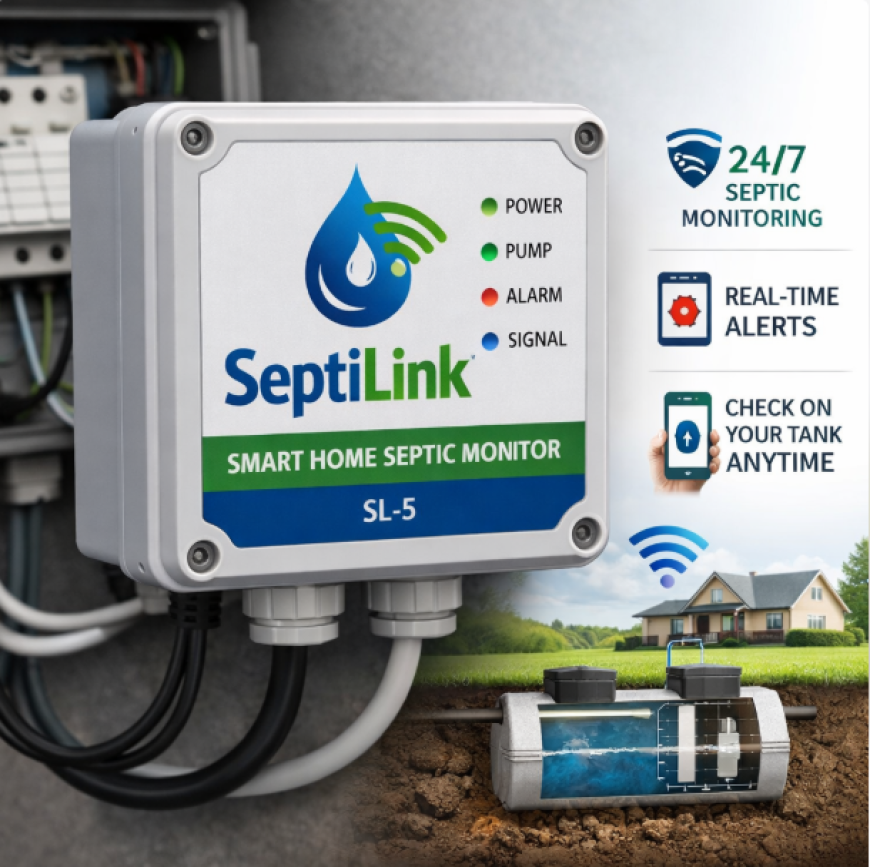
Thanks to sophisticated technology, we now have a whole new way of monitoring septic systems. Real-time monitoring solutions provide us with a level of insight into system operations that we’ve never had before. These systems usually come equipped with sensors that track various aspects, like waste levels, flow rates, and system pressure.
Remote Access and Control
With the option for remote monitoring, homeowners and wastewater professionals can access data from just about anywhere. This means they can respond quickly to any issues that pop up. This kind of connectivity not only boosts efficiency but also extends the life of septic systems.
Preventative Maintenance: A Cost-Effective Solution
Early Problem Detection
One of the standout benefits of septic system monitoring is the ability to conduct preventative maintenance. Regular checks help catch potential problems before they grow into major headaches. This proactive approach can save you a lot of money compared to dealing with system failures, which often lead to expensive repairs and environmental damage.
Real-Time Alerts
With real-time alerts, users can be informed right away if something seems off, like unusual waste levels or blockages. This early warning system allows for quick action, reducing downtime and helping to prevent environmental contamination.
Environmental Protection and Community Health
When not managed properly, septic systems can create serious environmental issues. Leaks or overflows can contaminate nearby water sources, posing health risks for the community. By ensuring septic systems are regularly monitored and well-maintained, we can significantly cut down on these risks.
Septic system monitoring plays a key role in protecting the environment by stopping untreated wastewater from entering our natural ecosystems. This not only helps to safeguard local wildlife but also ensures that our communities continue to have access to clean and safe water.
Implementing Technology for a Sustainable Future
Adoption of Smart Solutions
Looking ahead, the integration of advanced technology in wastewater management is essential for sustainability. More and more, homeowners and industry professionals are recognizing the need to adopt these solutions to protect both the environment and public health.
Long-Term Sustainability
Using innovative monitoring systems is a step toward a more sustainable and responsible approach to wastewater management. It shows a commitment to environmental stewardship and the well-being of our communities, aligning with broader global efforts to lessen the impacts of human activities on our planet.
Conclusion
To sum it all up, the benefits of septic system monitoring go far beyond just routine maintenance. They encompass environmental protection, community health, and cost savings. By embracing real-time monitoring and remote process management, homeowners and industry professionals can ensure their systems run efficiently and sustainably.
The future of wastewater management lies in adopting technology that not only tackles current challenges but also sets the stage for a healthier, more sustainable world. As we continue to innovate and enhance these systems, we contribute to a cleaner environment and a safer community for all.