How Much Protein Do You Need on GLP-1 Medications
 william12
Starting a GLP-1 medication often changes the way you eat. Many people notice they become full more quickly, eat smaller portions, and think about food less often throughout the day. While these changes can make weight loss easier, they also make it more important to focus on getting enough essential nutrients. One of the most important nutrients during treatment is protein.
If you're wondering how much protein on GLP-1 medications you need, the answer depends on your body, lifestyle, and health goals. Protein supports muscle preservation, keeps you feeling satisfied, and helps your body function properly while you're losing weight. Since GLP-1 medications naturally reduce appetite, eating enough protein becomes a priority rather than an afterthought.
Legacy Meds encourages a balanced approach to weight management that combines medical guidance with healthy nutrition habits. Understanding your protein needs can help you get the most from your treatment while supporting long-term health.
Why Does Protein Matter While Taking GLP-1 Medications?
GLP-1 medications work by reducing appetite and slowing stomach emptying, making it easier to consume fewer calories. Although this can support healthy weight loss, eating less food may also reduce your intake of nutrients that your body needs every day.
Protein plays a vital role during weight loss because it helps preserve lean muscle while your body burns stored fat. Maintaining muscle is important for strength, mobility, metabolism, and overall health. Without enough protein, the body may lose muscle along with fat, which is something healthcare providers try to help patients avoid.
Protein also helps increase feelings of fullness. Combined with the appetite-reducing effects of GLP-1 medications, a protein-rich diet may help you stay satisfied longer while supporting healthier eating habits.
Legacy Meds helps patients understand that medication works best when paired with nutrition strategies that support both weight loss and overall wellness.
How Much Protein on GLP-1 Do You Really Need?
The answer to how much protein on GLP-1 medications varies from person to person. Your age, current weight, physical activity, medical history, and weight loss goals all influence your daily protein requirements.
Many healthcare professionals recommend increasing protein intake during weight loss to help preserve muscle mass. For many adults using GLP-1 medications, a daily intake between 80 and 120 grams may be appropriate, although individual needs can be higher or lower depending on personal circumstances.
Rather than trying to consume your daily protein in one meal, spreading it throughout breakfast, lunch, dinner, and snacks can help improve digestion and make it easier to meet your daily goal. A healthcare provider or registered dietitian can recommend a personalized nutrition plan that fits your treatment program.
What Is the Best Protein Target for Semaglutide?
A healthy protein target semaglutide plan should be based on your body's needs instead of following a standard recommendation found online. Someone who exercises regularly or performs strength training may require more protein than someone with a less active lifestyle.
Healthcare providers consider several factors when determining an appropriate protein goal. Your body composition, level of physical activity, total calorie intake, and long-term health objectives all contribute to your recommended daily intake.
Because semaglutide often reduces appetite, every meal becomes more important. Choosing protein-rich foods first can help you meet your nutritional needs even when eating smaller portions. Legacy Meds supports personalized treatment plans because every patient's nutritional requirements are unique.
How Many Grams Per Day Should You Aim For?
Many people want to know exactly how many grams per day they should eat while taking GLP-1 medications. Although there is no universal number, healthcare providers often recommend focusing on consistent protein intake throughout the day rather than trying to reach your goal in a single meal.
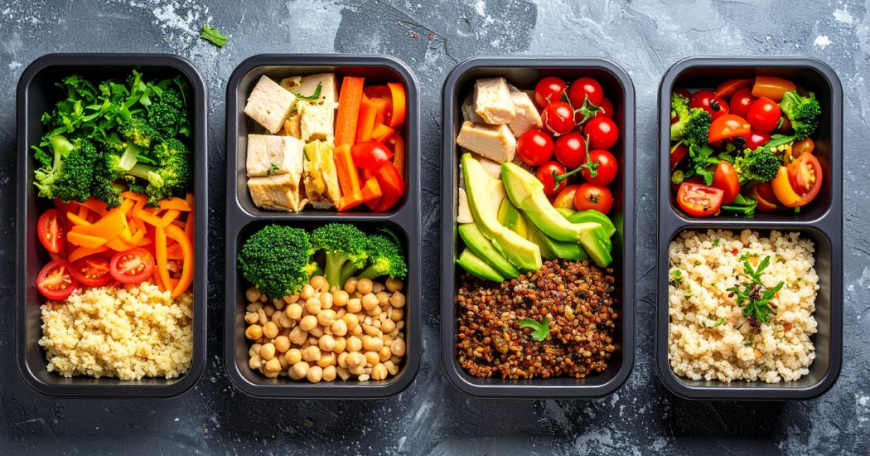
Including protein with breakfast, lunch, dinner, and healthy snacks can help your body receive a steady supply of amino acids that support muscle maintenance. Foods including lean chicken, fish, eggs, Greek yogurt, cottage cheese, beans, lentils, tofu, and other high-quality protein sources can all contribute to your daily intake.
If your appetite is significantly reduced, prioritizing protein before other foods may help ensure you're meeting your nutritional needs while staying within your calorie goals.
Can You Eat Too Little Protein While Taking GLP-1?
Yes. Appetite suppression is one of the reasons GLP-1 medications are effective, but eating too little protein can create challenges during weight loss.
When protein intake remains consistently low, the body may begin breaking down muscle tissue for energy. This can affect strength, reduce physical performance, slow recovery after exercise, and make long-term weight management more difficult.
People sometimes assume that eating less automatically leads to healthier weight loss, but nutrition quality matters just as much as calorie intake. Legacy Meds encourages patients to focus on balanced meals that provide enough protein, vitamins, minerals, and healthy fats while following their prescribed treatment plan.
Which Protein Foods Work Best During GLP-1 Treatment?
Choosing nutrient-dense foods becomes especially important because your overall food intake may decrease. High-quality protein sources help maximize nutrition without requiring large meal portions.
Lean poultry, seafood, eggs, dairy products, legumes, tofu, and other protein-rich foods provide valuable nutrients while supporting muscle preservation. Pairing protein with vegetables, fruits, whole grains, and healthy fats creates balanced meals that support both weight loss and overall health.
Preparing meals ahead of time can also make healthy eating easier. When nutritious options are readily available, it becomes much simpler to stay consistent throughout your treatment journey.
Should You Drink Protein Shakes?
Protein shakes may be useful for people who struggle to eat enough protein because of reduced appetite. They can provide a convenient way to increase protein intake without requiring large meals.
However, whole foods should remain the primary source of nutrition whenever possible because they also provide vitamins, minerals, fiber, and other nutrients that support overall health. A healthcare provider or registered dietitian can help determine whether protein supplements fit your individual treatment plan.
Legacy Meds encourages patients to view protein shakes as one nutritional tool rather than a replacement for balanced eating habits.
How Can Legacy Meds Help You Build a Healthy Nutrition Plan?
Medication is only one part of successful weight management. Legacy Meds recognizes that lasting results come from combining evidence-based treatment with healthy daily habits and personalized medical guidance.
Every patient's nutritional needs are different, which is why Legacy Meds supports individualized treatment plans based on medical history, weight loss goals, and overall health. Understanding your protein needs, maintaining balanced meals, and making sustainable lifestyle improvements all contribute to long-term success.
Whether you're beginning GLP-1 treatment or looking to improve your current nutrition plan, Legacy Meds provides professional support that helps patients make informed decisions while building healthier habits for the future.
Frequently Asked Questions
How much protein on GLP-1 should I eat?
Your protein needs depend on your weight, activity level, health conditions, and treatment goals. Many adults taking GLP-1 medications may benefit from consuming around 80 to 120 grams of protein daily, although your healthcare provider can recommend a personalized target.
What is a good protein target semaglutide users should follow?
A suitable protein target semaglutide plan should reflect your individual health profile rather than a generic recommendation. Your provider can calculate an amount that supports muscle preservation and healthy weight loss.
How many grams per day of protein do I need for weight loss?
The ideal number of grams per day varies for each person. Factors including body weight, calorie intake, and physical activity all influence your daily protein requirements.
Why is protein important while taking GLP-1 medications?
Protein helps preserve muscle mass, promotes fullness, supports recovery, and contributes to healthier weight management while calorie intake is reduced.
Can I meet my protein goal without supplements?
Yes. Many people can meet their protein needs through balanced meals that include lean meats, dairy products, seafood, eggs, legumes, and other protein-rich foods. Supplements may be helpful for some individuals if recommended by a healthcare professional.
Final Thoughts
Understanding how much protein on GLP-1 medications you need is an important part of achieving healthy and sustainable weight loss. Since GLP-1 treatments naturally reduce appetite, making every meal nutritionally valuable becomes even more important. Prioritizing protein can help preserve lean muscle, improve fullness, and support your body's overall health throughout treatment.
Your ideal protein target semaglutide plan and daily grams per day will depend on your individual needs, making personalized medical guidance an essential part of your journey. Legacy Meds combines evidence-based weight loss treatment with patient-focused support, helping individuals build healthy habits that extend far beyond the number on the scale.