What International Patients Should Know About Oncology Services in India
 Emerge Medical Travel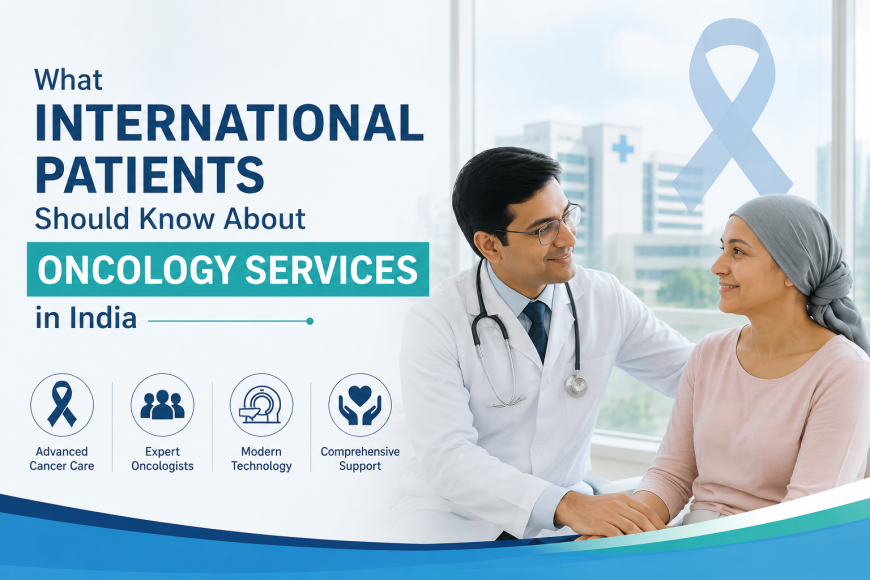
A cancer diagnosis can be life-changing, and finding the right treatment is one of the most important decisions a patient will make. While many countries offer quality cancer care, an increasing number of international patients are choosing to travel abroad for advanced treatment that combines medical expertise, modern technology, and affordable costs. India has emerged as one of the world's leading destinations for oncology care, attracting patients from Africa, the Middle East, Asia, Europe, and North America.
The country is home to internationally accredited hospitals, experienced oncologists, and state-of-the-art cancer treatment facilities that provide comprehensive care for a wide range of cancers. Along with advanced medical services, international patients benefit from personalized treatment planning, dedicated support services, and shorter waiting times.
If you are considering cancer treatment in India, understanding the available oncology services, treatment process, and patient support can help you make informed decisions and prepare for a smooth healthcare journey.
Why International Patients Choose India for Cancer Treatment
India has built a strong reputation for delivering high-quality cancer care that meets international standards. Every year, thousands of patients from around the world visit India to receive treatment for both common and complex cancers.
One of the biggest reasons behind this growing trust is the country's advanced healthcare infrastructure. Many hospitals are internationally accredited and feature dedicated cancer centers equipped with modern diagnostic laboratories, advanced operation theaters, radiation therapy units, and specialized intensive care facilities.
Another major advantage is access to highly experienced oncology specialists. India's healthcare system includes medical oncologists, surgical oncologists, radiation oncologists, hematologists, and multidisciplinary cancer teams who work together to develop personalized treatment plans for every patient.
Affordability also plays an important role. Cancer treatment in several developed countries can be extremely expensive, creating financial challenges for patients and their families. India offers world-class treatment using advanced technologies at significantly lower costs without compromising on quality or patient safety.
Combined with compassionate care, shorter waiting periods, and comprehensive international patient services, these factors have made India one of the most preferred destinations for cancer treatment.
Understanding Oncology Services Available in India
India offers a complete range of oncology services designed to diagnose, treat, and manage different types of cancer. Depending on the patient's diagnosis, doctors may recommend one treatment or a combination of therapies to achieve the best possible outcome.
Medical Oncology
Medical oncology focuses on treating cancer with medications. Treatment options include chemotherapy, targeted therapy, immunotherapy, and hormone therapy. These treatments help destroy cancer cells, slow disease progression, or reduce the risk of recurrence. Modern medical oncology follows a personalized approach, ensuring each patient receives therapies suited to their specific cancer type and stage.
Surgical Oncology
Surgery remains one of the most effective treatments for many cancers, particularly when detected at an early stage. Indian hospitals perform both traditional and minimally invasive cancer surgeries. Many leading centers also offer robotic-assisted surgery, which allows greater precision, smaller incisions, reduced blood loss, and faster recovery.
Radiation Oncology
Radiation therapy uses high-energy radiation to destroy cancer cells while protecting nearby healthy tissues. Modern radiation oncology departments in India offer advanced technologies such as:
-
Intensity-Modulated Radiation Therapy (IMRT)
-
Image-Guided Radiation Therapy (IGRT)
-
Stereotactic Body Radiation Therapy (SBRT)
-
Stereotactic Radiosurgery (SRS)
-
Proton Therapy (available at selected centers)
These precision treatments improve effectiveness while reducing side effects.
Hemato-Oncology
Hemato-oncology specializes in cancers affecting the blood and bone marrow, including leukemia, lymphoma, and multiple myeloma. Treatment options may include chemotherapy, immunotherapy, targeted therapy, and bone marrow or stem cell transplantation, depending on the patient's condition.
Advanced Cancer Diagnosis and Personalized Treatment Planning
Successful cancer treatment begins with an accurate diagnosis. Modern hospitals in India use advanced diagnostic technologies to determine the type, stage, and characteristics of cancer before creating a treatment plan.
Common diagnostic tools include:
-
PET-CT Scan
-
MRI
-
CT Scan
-
Digital Pathology
-
Biopsy
-
Molecular Diagnostics
-
Genetic Testing
These technologies help doctors identify cancer at an early stage and understand its biological behavior. Molecular diagnostics and biomarker testing have become particularly important because they allow specialists to select treatments that are most likely to be effective for individual patients.
Instead of using the same treatment for everyone, oncologists develop personalized treatment plans based on factors such as the patient's age, overall health, cancer stage, and genetic profile. This approach improves treatment accuracy, reduces unnecessary side effects, and enhances overall outcomes.
Common Types of Cancer Treated in India
India's leading cancer hospitals provide comprehensive treatment for almost every type of cancer using advanced medical technologies and multidisciplinary expertise.
Some of the most commonly treated cancers include:
-
Breast Cancer
-
Lung Cancer
-
Liver Cancer
-
Colorectal Cancer
-
Prostate Cancer
-
Cervical Cancer
Specialized oncology centers also manage more complex cancers, including:
-
Brain Tumors
-
Gastrointestinal Cancers
-
Head and Neck Cancers
-
Bone Cancers
-
Gynecological Cancers
In addition, India has highly specialized centers for treating blood cancers such as leukemia, lymphoma, and multiple myeloma. These hospitals offer advanced bone marrow and stem cell transplantation services performed by experienced hematology specialists.
Regardless of the type of cancer, patients receive individualized treatment plans developed through collaboration between oncologists, surgeons, radiologists, pathologists, and other specialists. This team-based approach helps ensure that every patient receives the most appropriate treatment based on their specific diagnosis and medical needs.
Traveling to another country for cancer treatment can seem overwhelming, especially for patients and their families. To make the process easier, many leading hospitals in India have dedicated international patient departments that provide support from the initial consultation to post-treatment follow-up.
Before Arrival
The treatment journey often begins with an online consultation. Patients can share their medical reports, imaging scans, biopsy results, and previous treatment history with specialists in India. Based on this information, oncologists review the case, provide a second opinion if needed, recommend suitable treatment options, and prepare an estimated treatment plan along with the expected duration of stay.
This early planning helps patients understand their treatment pathway before they travel.
After Arrival
Once patients arrive in India, they receive personalized assistance to ensure a smooth transition into treatment. Many hospitals and medical travel partners provide services such as:
-
Airport pickup and drop-off
-
Assistance with hospital admission
-
Medical visa guidance
-
Hotel or accommodation arrangements
-
Language interpreter services
-
Dedicated international patient coordinators
These services reduce stress and allow patients to focus on their health rather than travel logistics.
During Treatment
Throughout treatment, patients receive continuous support from a multidisciplinary medical team. Regular consultations, treatment monitoring, nutritional guidance, rehabilitation services, and emotional support help ensure the best possible care. Family members accompanying the patient are also guided throughout the treatment process, making the overall experience more comfortable.
Recovery, Follow-Up, and Long-Term Care
Recovery is an important part of successful cancer treatment. Depending on the type of cancer and treatment received, patients may require rehabilitation, nutritional support, pain management, and regular medical monitoring.
Many hospitals offer specialized rehabilitation programs that help patients regain strength and improve their quality of life after surgery, chemotherapy, or radiation therapy. Nutritionists provide personalized diet plans to support recovery, while psychologists and counselors help patients manage the emotional challenges often associated with cancer treatment.
Even after patients return to their home countries, follow-up care continues. Through virtual consultations, doctors can monitor recovery, review medical reports, adjust medications if necessary, and answer patient concerns.
Long-term follow-up is essential for detecting any signs of cancer recurrence, managing treatment-related side effects, and maintaining overall health. Regular communication with the treating medical team helps patients continue their recovery with confidence.
Choosing the Right Oncology Hospital in India
Selecting the right hospital is one of the most important decisions for international patients. While India has many excellent healthcare facilities, choosing a hospital with the right expertise and infrastructure can have a significant impact on treatment outcomes.
Patients should consider the following factors before making a decision:
-
International accreditation and quality certifications
-
Experienced medical, surgical, and radiation oncologists
-
Availability of advanced diagnostic and treatment technologies
-
Multidisciplinary cancer care teams
-
Transparent treatment plans and cost estimates
-
Strong infection control and patient safety protocols
-
Dedicated international patient services
-
Positive patient outcomes and comprehensive post-treatment care
A hospital that combines advanced medical expertise with compassionate patient care can provide a better overall treatment experience.
The Role of Medical Travel Facilitators
Planning cancer treatment abroad involves much more than selecting a hospital. Patients also need assistance with medical records, travel arrangements, accommodation, visas, appointments, and communication. Medical travel facilitators simplify the entire process by coordinating every step of the healthcare journey.
Their services typically include:
-
Reviewing medical reports
-
Connecting patients with experienced oncologists
-
Selecting the most suitable hospital
-
Arranging expert second opinions
-
Providing transparent treatment estimates
-
Medical visa assistance
-
Airport transfers
-
Accommodation arrangements
-
Appointment scheduling
-
Language support
-
Follow-up coordination after treatment
With experienced guidance, international patients can focus on their treatment while logistical challenges are managed efficiently.
How Emerge Medical Travel Supports International Patients
Navigating cancer treatment in another country can be challenging, especially when patients are unfamiliar with the healthcare system. Emerge Medical Travel is dedicated to making this journey as smooth and stress-free as possible by providing personalized support at every stage.
The team works closely with some of India's leading oncology hospitals and experienced cancer specialists to help patients find the most appropriate treatment based on their diagnosis, medical history, and individual healthcare needs.
Emerge Medical Travel assists patients with:
-
Reviewing medical records and obtaining expert opinions
-
Selecting the right hospital and oncology specialist
-
Personalized treatment planning
-
Transparent treatment cost estimates
-
Medical visa assistance
-
Travel and accommodation arrangements
-
Airport pickup and local transportation
-
Appointment scheduling and hospital coordination
-
Language assistance when required
-
Continuous support before, during, and after treatment
Even after treatment is completed, Emerge Medical Travel helps coordinate follow-up consultations and communication with treating doctors, ensuring patients continue to receive guidance throughout their recovery.
For international patients seeking reliable oncology services in India, partnering with Emerge Medical Travel can simplify every step of the medical journey while providing access to world-class hospitals, experienced specialists, and compassionate patient care.
Conclusion
Choosing the right destination for cancer treatment is a significant decision that can influence both medical outcomes and the overall patient experience. India has become a trusted global center for oncology care by offering internationally accredited hospitals, experienced cancer specialists, advanced treatment technologies, and affordable healthcare without compromising quality.
From accurate diagnosis and personalized treatment plans to comprehensive rehabilitation and follow-up care, patients receive support throughout every stage of their healthcare journey. Combined with dedicated international patient services and expert medical travel assistance, India provides a comfortable and well-coordinated treatment experience for patients from around the world.