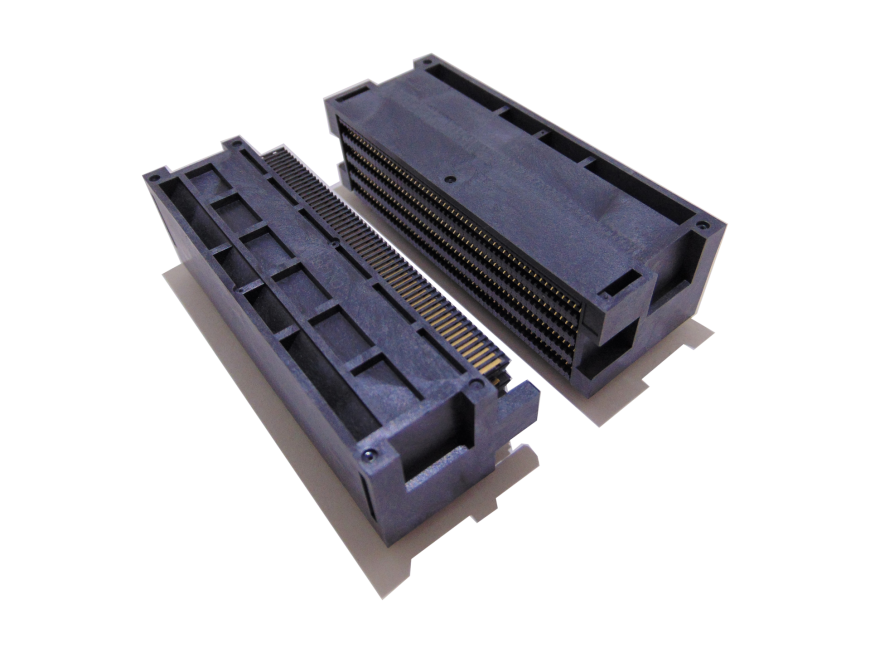
Backplane Connectors are critical components that enable multiple circuit boards to communicate within a single system architecture. As electronics become more advanced and interconnected, these connectors provide a structured and efficient method for transferring signals and power across complex assemblies.
Their importance lies in their ability to support scalability, allowing systems to expand or upgrade without major redesign. This makes them essential in industries that rely on flexible and high-performance electronic platforms.
How Backplane Connectors Simplify System Architecture
Backplane Connectors streamline system design by replacing bulky wiring with organised board-to-board connections. This approach not only improves performance but also enhances the overall structure of electronic systems.
They simplify architecture by:
- Reducing cable dependency and clutter
- Creating a centralised connection platform
- Allowing clean and structured layouts
- Supporting quick installation and removal of boards
This level of organisation is especially valuable in systems where space and efficiency are priorities.
Electrical Performance Benefits of Backplane Connectors
Backplane Connectors are engineered to deliver strong electrical performance, which is crucial for modern high-speed applications. Their design ensures that signals travel efficiently between connected boards.
Key electrical advantages include:
- Stable signal transmission across multiple channels
- Reduced electrical resistance for improved efficiency
- Enhanced shielding to limit interference
- Consistent contact quality for reliable performance
These benefits help maintain system integrity even under demanding conditions.
Mechanical Design Features That Enhance Reliability
The mechanical construction of Backplane Connectors is designed to ensure durability and precision. They must maintain strong connections even with repeated use and environmental stress.
Important mechanical features include:
- Rigid housing to protect internal components
- Accurate alignment systems to prevent misconnection
- Secure locking mechanisms for stability
- High endurance for repeated mating cycles
These features contribute to long-lasting and dependable performance.
Different Mounting Styles of Backplane Connectors
Backplane Connectors are available in various mounting styles, each suited to specific design requirements. Choosing the correct mounting style can significantly impact system efficiency.
Vertical Mounting
Used when boards are inserted perpendicular to the backplane, offering compact design and efficient space usage.
Horizontal Mounting
Allows boards to connect parallel to the backplane, providing easier access for maintenance and inspection.
Right-Angle Mounting
Combines aspects of both vertical and horizontal designs, offering flexibility in system layout.
Each mounting style is selected based on system configuration and operational needs.
Why Backplane Connectors Are Ideal for High-Demand Environments
Backplane Connectors are built to perform in environments where reliability is essential. Their robust design makes them suitable for applications that operate under stress and continuous use.
They are ideal for:
- High-speed computing systems requiring constant data flow
- Industrial machinery operating in harsh conditions
- Communication systems handling large data volumes
- Medical equipment requiring consistent precision
- Transportation systems with advanced electronic controls
Their ability to maintain performance under pressure makes them indispensable.
Key Selection Criteria for Backplane Connectors
Selecting the right Backplane Connectors involves careful consideration of several factors to ensure compatibility and efficiency.
Important criteria include:
- Required data transfer speed and capacity
- Physical size and connector density
- Environmental resistance to heat and vibration
- Compatibility with existing hardware
- Long-term reliability and maintenance needs
A thoughtful selection process ensures optimal system performance.
Comparing Backplane Connectors with Other Interconnect Solutions
Backplane Connectors offer unique advantages when compared to other interconnect methods. Their design is tailored for systems that require high performance and modularity.
Compared to traditional connectors, they provide:
- Greater scalability for system expansion
- Improved organisation within electronic assemblies
- Higher data transfer efficiency
- Reduced maintenance complexity
These advantages make them a superior choice for advanced applications.
Technological Advancements in Backplane Connector Design
Backplane Connectors continue to evolve with advancements in technology. Manufacturers are constantly improving their design to meet the needs of modern systems.
Recent developments include:
- Enhanced materials for better durability and heat resistance
- Improved contact designs for higher reliability
- Compact configurations for space-saving applications
- Increased support for faster data communication
These innovations ensure that Backplane Connectors remain relevant in a rapidly changing technological landscape.
Why Backplane Connectors Will Continue to Drive Innovation
Backplane Connectors are more than just connection components. They are a key part of the infrastructure that supports modern electronics. Their ability to provide reliable, high-speed, and scalable connectivity ensures their continued importance in future technologies.
As systems become more complex and interconnected, Backplane Connectors will continue to enable innovation by providing the dependable connections required for advanced electronic solutions.

 joddie25