What Is Flossing and Why Is It Important for Children?
Learn the importance of flossing for children, when kids should start, proper flossing techniques, and how daily flossing helps prevent cavities and gum disease.
 One Tooth Pediatric Dental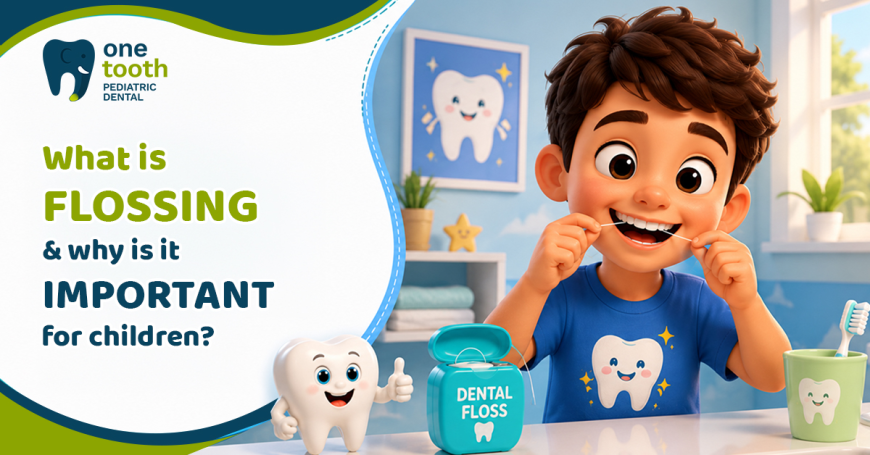
Most parents pay attention to brushing since brushing really matters. As soon as two teeth touch, a toothbrush can no longer clean every surface. Those tight spaces between teeth are where plaque and food particles tend to collect, creating an environment for cavity-forming bacteria, gum irritation, and persistent bad breath.
The importance of flossing for children starts earlier than most families expect, and the habit, once built, makes a measurable difference in how healthy those spaces stay over time.
One Tooth Pediatric Dental in Annapolis helps families understand when to start flossing, how to do it safely at each stage of a child's development, and how to make it a natural part of the evening routine rather than a battle. Dr. Akshay Kolluri and the team walk parents through the right technique, the right tools for different ages, and what to watch for between visits.
Why Is Flossing Important?
Flossing is an essential part of your child's daily oral hygiene routine because it removes plaque, food particles, and bacteria from between the teeth and along the gumline; areas that toothbrush bristles cannot effectively clean. By disrupting plaque before it hardens into tartar, regular flossing helps prevent cavities, reduces the risk of gum disease, gum irritation, bad breath, early signs of gingivitis, and supports healthier teeth and gums.
The following reasons highlight the importance of flossing:
-
Tight-Space Cleaning: Floss removes plaque and food particles where toothbrush bristles cannot reach each day effectively.
-
Gumline Support: Cleaning near the gumline helps reduce irritation, redness, and plaque-related bleeding.
-
Cavity Protection: Flossing helps lower cavity risk between teeth where decay often starts silently.
-
Breath Freshness: Removing trapped food particles helps reduce odor-causing bacteria between teeth and gums.
-
Habit Building: Daily flossing teaches children that oral care includes more than brushing alone.
Flossing is especially important when children have tight contacts, crowded teeth, braces, or a history of cavities between teeth.
When Should Children Start Flossing?
Children should start flossing when two teeth touch and a toothbrush can no longer clean between them. This can happen during the toddler years, preschool years, or later, depending on each child’s spacing.
Parents should floss for younger children because flossing requires hand control and patience. As children grow, they can practice with supervision, but most still need adult help until they can clean thoroughly without snapping the floss into the gums.
What Are the Benefits of Flossing for Kids?
The benefits of Flossing for children extend far beyond removing trapped food. Daily flossing cleans between teeth and along the gumline, where toothbrushes cannot effectively reach, helping reduce plaque buildup and harmful bacteria. This simple habit lowers the risk of cavities between teeth, helps prevent gingivitis and other gum problems, and promotes fresher breath. Flossing also helps parents notice bleeding, food traps, or early gum irritation.
Key benefits of daily flossing for kids include:
-
Cleaner Contacts: Floss removes food and plaque trapped between teeth after meals and snacks.
-
Healthier Gums: Daily flossing helps prevent plaque buildup that can irritate young gum tissue.
-
Lower Decay Risk: Interdental cleaning helps protect areas where cavities often develop between teeth.
-
Fresher Breath: Removing trapped debris helps limit odor from bacteria between teeth and gums.
-
Early Awareness: Parents may notice bleeding, sensitivity, crowding, or food traps during flossing.
These benefits work best when flossing becomes part of the same bedtime routine as brushing.
How to Floss Kids Teeth the Right Way
Begin flossing as soon as your child has two teeth that touch, as these tight spaces can trap plaque and food particles that brushing cannot remove. Gently slide the floss between the teeth using a back-and-forth motion, curve it into a "C" shape around each tooth, and move it up and down, extending slightly below the gumline to remove plaque effectively.
Most children need help flossing until they develop the coordination to do it well, usually around ages 8 to 10.
Here’s a step-by-step guide on how to floss kids
-
Choose Tool: Use soft string floss or floss picks designed for smaller mouths.
-
Slide Gently: Guide floss slowly between teeth instead of snapping downward quickly.
-
Curve Around Tooth: Make a C-shape around each tooth to clean the side.
-
Clean Gumline: Move floss slightly below the gumline without cutting the tissue.
-
Repeat Daily: Floss each contact once daily, usually during the bedtime routine
How Does Flossing Help With Preventing Gum Disease in Children?
Flossing plays a key role in preventing gum disease in children by removing plaque and harmful bacteria from between the teeth and along the gumline—areas that toothbrush bristles cannot effectively clean. Without regular flossing, plaque can build up and irritate the gums, leading to redness, swelling, and bleeding, which are early signs of gingivitis. By cleaning these hard-to-reach areas every day, flossing helps keep gums healthy, reduces inflammation, and supports strong, lifelong oral health.
How Can Parents Make Flossing Easier for Children?
To make flossing easier for children, consider using child-friendly floss picks or flavored dental floss, which are often easier for small hands to grip and more comfortable for sensitive gums.
Introduce flossing as soon as two teeth begin touching—typically between ages 2 and 3—and help your child floss daily until they have the coordination and dexterity to do it effectively on their own, usually around 10 to 11 years of age.
How Does One Tooth Pediatric Dental Teach Better Flossing Habits?
One Tooth Pediatric Dental supports families through preventive visits, cleanings, fluoride guidance, cavity risk checks, gum health monitoring, and child-focused home care coaching. Dr. Akshay Kolluri and the team help parents understand when flossing should begin, what tools may work best, and how to make flossing less stressful at home.
Families searching for the Best Pediatric Dentist in Annapolis often need more than a cleaning. They need practical guidance that fits the child’s age, spacing, comfort level, and daily routine.
Ready to understand the Importance of Flossing for Children and help your child build lifelong healthy oral habits? Schedule a preventive dental visit today with One Tooth Pediatric Dental for personalized guidance and gentle pediatric care.