The Most Common Renovation Mistakes Homeowners Should Avoid
 metaminds
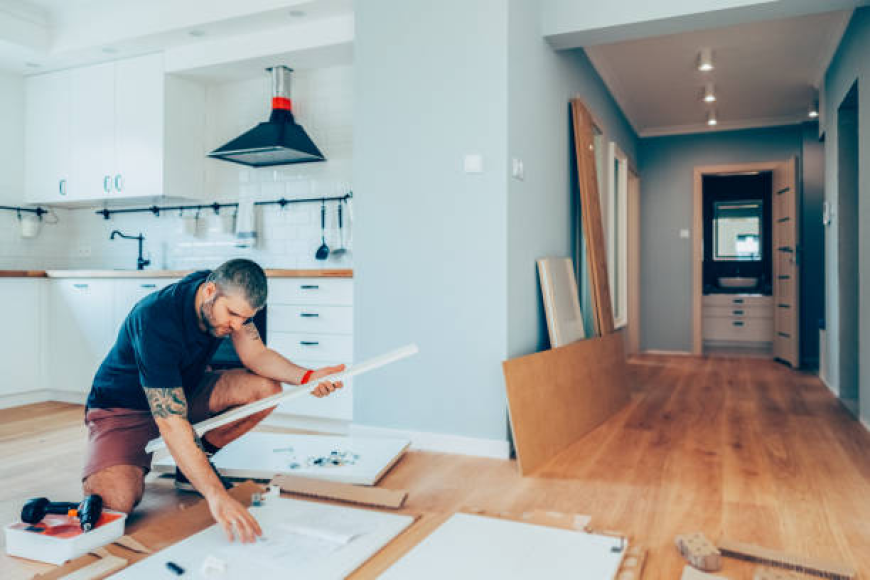
Renovating a home always starts the same way—ideas, excitement, maybe a few screenshots saved on your phone. It feels manageable in the beginning. Then it isn’t. Costs shift, timelines drag, and suddenly you’re making decisions you didn’t even know existed a week ago. I’ve seen it play out a lot, especially around home renovations in Houston, where projects can get big and messy pretty quick. And the thing is, most of the pain isn’t random. It’s the same handful of mistakes, over and over.
Skipping Proper Planning (and Just “Figuring It Out”)
Some people go in with a loose idea and think they’ll sort the rest as they go. Sounds flexible. In reality, it’s a slow burn toward frustration. When there’s no real plan—no clear layout, no material decisions, no budget boundaries—you’re basically building on guesswork. That’s when changes pile up, costs drift, and people start blaming each other. Planning isn’t glamorous, yeah, but it keeps things from falling apart halfway through. Even a rough but honest plan beats winging it.
Thinking the Budget Will Somehow Hold
This one… almost everyone gets wrong. You start with a number that feels okay, maybe even a little high. Then things creep in. Labor goes up. Materials change. Something behind the wall isn’t what you expected. Now you’re adjusting. Again. If there’s no buffer, it gets stressful fast. A renovation without extra funds set aside is kind of like driving with no fuel reserve—fine until it suddenly isn’t. Add 15–20%, minimum. Older homes? Maybe more. Not exciting advice, but it saves headaches.
Hiring Based on Price Alone
Cheapest quote wins, right? Not always. Actually, rarely. A low bid can mean shortcuts, inexperience, or just bad estimating. And once the work starts, those gaps show up. Delays, poor finishes, constant “that wasn’t included” conversations. It drags everything down. A good contractor isn’t just someone who can build—they communicate, they stay consistent, they don’t disappear for days. You notice the difference pretty quickly, especially when things get complicated.
Ignoring Permits Like They’re Optional
Permits feel like paperwork you’d rather avoid. Fair. But skipping them can cause real problems later. Inspections fail. Fines show up. Sometimes work has to be undone, which is… painful to watch. Building codes aren’t there to annoy you, even if it feels that way. They’re there so the place doesn’t fall apart, or cause issues when you try to sell. It’s one of those things you don’t think about until it bites back.
Changing Your Mind Halfway Through
This happens more than people admit. You’re mid-project, you see a new design, or someone suggests a “better” option, and suddenly you want to switch things up. Seems harmless. It’s not. Even small changes can ripple into bigger ones—affecting wiring, plumbing, timelines. And costs, obviously. Lots of costs. It’s not that you can’t adjust anything, but constant changes? That’s where projects start slipping out of control.
Chasing Trends That Won’t Last
Trendy designs look great online. No argument there. But living with them long-term is a different story. What feels bold now can feel dated pretty quickly. Renovation money isn’t small, so it makes sense to aim for something that lasts a bit longer than a social media cycle. You don’t have to play it safe either—just don’t go all-in on something you might hate in two years. There’s a middle ground, most of the time.
Forgetting How the Space Actually Works
A space can look amazing and still be annoying to live in. Happens all the time. Kitchens without enough storage, bathrooms that feel cramped even after a remodel, lighting that looks nice but doesn’t help you see anything. Design isn’t just visuals. It’s how you move, cook, relax, exist in the space. If that part gets ignored, the whole thing feels off, no matter how good it looks in photos.
Looking at One Room and Ignoring the Rest
Sometimes people pour everything into one area and forget how it connects to the rest of the house. So now you’ve got a stunning kitchen… that feels completely out of place. Or an open layout that sounded great but messed with privacy or airflow. Homes don’t work in pieces. Everything ties together, even the stuff you don’t immediately notice.
Trying to Do Too Much Yourself
There’s always a point where DIY stops being smart and starts being risky. Painting a wall? Sure. Installing shelves? Probably fine. But once you get into electrical, plumbing, structural changes… that’s different territory. Mistakes there don’t just look bad, they cost real money to fix. Sometimes more than hiring a pro in the first place. It’s not about skill, really. It’s about knowing where the line is.
Not Bringing in the Right People Early Enough
This part gets overlooked, but it matters. The earlier you involve the right professionals, the smoother things tend to go. Waiting too long usually means fixing problems that didn’t need to exist. Working with experienced teams, especially custom home builders in Houston, changes the pace of a project. Things feel more… organized. Less reactive. You’re not constantly putting out fires, which is honestly half the battle in renovation work.
Conclusion
Renovation problems don’t usually come out of nowhere. They build up from small decisions—rushed planning, tight budgets, the wrong hires, changing direction too often. One thing stacks on another. And suddenly the whole project feels heavier than it should. But it doesn’t have to go that way. Avoid a few of these common mistakes, stay a bit more deliberate early on, and things tend to settle into place. Not perfectly, but better. And better is usually enough to get through it without losing your mind halfway in.