How AI Predictive Monitoring Helps Prevent Workplace Health and Safety Incidents?
Discover how AI predictive monitoring helps prevent workplace health and safety incidents through real-time risk detection and smarter safety management.
 Occucare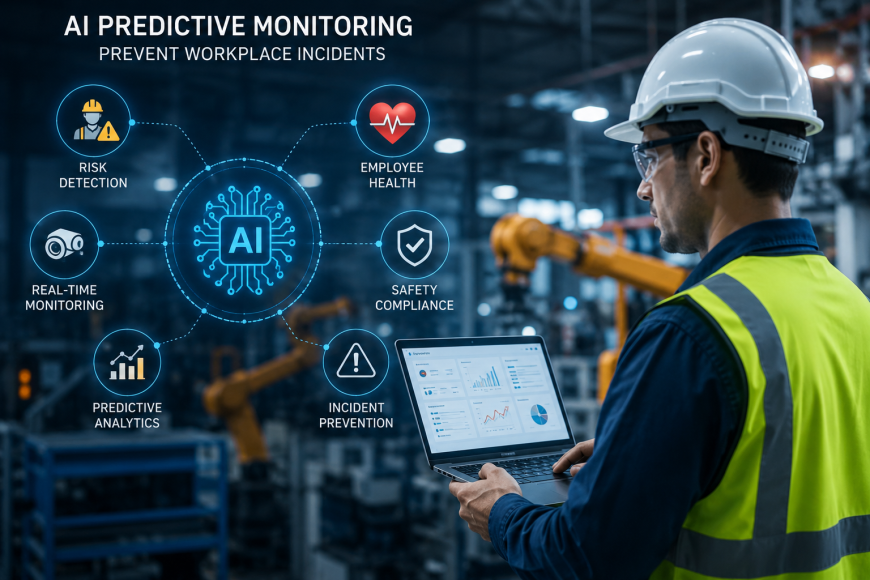
Workplace health and safety have become major priorities for organizations that want to create secure, productive, and employee-friendly environments. Industries such as manufacturing, construction, healthcare, logistics, oil and gas, and mining often deal with risks that can affect employee well-being and business continuity. Traditional safety practices still play an important role, but modern workplaces are now turning toward Artificial Intelligence to improve prevention strategies.
AI predictive monitoring is changing the way companies identify hazards, analyze employee conditions, and respond to safety concerns before they become serious incidents. Instead of reacting after accidents happen, businesses can now predict risks and take preventive measures. This proactive approach helps organizations build stronger safety cultures while improving efficiency and employee confidence.
Modern workplaces increasingly rely on anIndustrial Safety Monitoring System to collect and analyze real-time information that supports safer operations.
Understanding AI Predictive Monitoring in Workplace Safety
AI predictive monitoring uses machine learning, data analysis, sensors, automation, and intelligent algorithms to identify possible health and safety threats. These systems gather information from equipment, employee activities, environmental conditions, and workplace processes.
The collected data is analyzed continuously to detect unusual patterns or warning signs. If the system identifies a possible issue, managers receive alerts so corrective actions can be taken immediately.
Unlike traditional safety models that mainly focus on inspections and incident reports, predictive monitoring creates a forward-looking strategy. It helps organizations recognize hidden risks before injuries, illnesses, or operational disruptions occur.
This shift from reactive safety to predictive safety is becoming a major advantage for businesses that prioritize employee protection.
How AI Identifies Workplace Risks Early
One of the biggest advantages of AI predictive monitoring is its ability to recognize patterns humans may miss.
For example, AI systems can monitor:
- Equipment temperature fluctuations
- Employee fatigue indicators
- Environmental hazards
- Air quality conditions
- Noise exposure levels
- Chemical risks
- Repetitive movement patterns
- Unsafe behaviors
When unusual activities appear, the system generates warnings before incidents occur.
In manufacturing environments, predictive monitoring can identify machinery abnormalities that may lead to accidents. In healthcare facilities, it can track exposure risks. Construction companies can monitor unsafe movement patterns and environmental changes.
Early detection allows organizations to reduce downtime, prevent injuries, and improve overall workplace safety performance.
Role of Real-Time Data in Prevention
AI predictive monitoring depends heavily on real-time information. Sensors, wearable devices, connected systems, and digital platforms continuously feed operational data into safety networks.
This information helps organizations understand:
- Current workplace conditions
- Employee exposure levels
- Equipment performance
- Health trends
- Environmental changes
Integration with Electronic Health Records Software creates additional value by organizing employee health information in a secure and structured manner. When health data is combined with predictive analytics, organizations can identify recurring patterns related to occupational risks.
For example, if multiple employees show signs of respiratory issues in a particular work area, AI systems may identify environmental causes and recommend immediate intervention.
This improves both employee protection and long-term health management.
Reducing Workplace Accidents Through Predictive Intelligence
Many workplace incidents happen because warning signs go unnoticed. Small issues gradually become larger problems until accidents occur.
AI predictive monitoring changes this process.
Instead of waiting for injuries or equipment failures, organizations receive early signals about:
Unsafe Equipment Conditions:
AI can detect unusual vibrations, pressure changes, overheating, and performance drops. Maintenance teams receive notifications before failures happen.
Employee Fatigue Monitoring:
Fatigue remains one of the major causes of workplace incidents. AI tools can evaluate work patterns, shift lengths, and behavioral indicators to identify employees who may require rest or schedule adjustments.
Environmental Hazard Detection:
Predictive systems monitor gas leaks, temperature changes, dust exposure, humidity variations, and other environmental risks.
Behavior-Based Safety Monitoring:
AI identifies unsafe actions such as improper equipment usage, missing protective gear, or restricted area access.
These proactive measures reduce injury rates and improve operational safety.
Strengthening Employee Health Programs
Workplace safety is no longer limited to preventing physical injuries. Modern organizations also focus on mental well-being, stress management, and long-term employee health.
This is where Employee Wellness Software becomes highly valuable.
AI predictive monitoring supports wellness initiatives by analyzing patterns related to:
- Stress indicators
- Workload balance
- Fatigue levels
- Attendance trends
- Productivity fluctuations
- Wellness participation rates
Organizations can use this information to create better health programs and encourage healthier work environments.
Employees who feel protected and supported often show better engagement, improved morale, and stronger performance.
Wellness and safety are increasingly becoming connected goals rather than separate initiatives.
Supporting Compliance and Safety Regulations
Industries must follow strict workplace health and safety regulations. Manual compliance tracking often creates challenges because it requires extensive documentation and monitoring.
AI predictive monitoring simplifies this process by automating many activities.
Using Workplace Safety Software, organizations can:
- Track incidents automatically
- Monitor risk exposure
- Maintain audit records
- Generate reports
- Monitor compliance status
- Identify corrective actions
Automation reduces administrative workload while improving accuracy.
Regulatory compliance becomes easier because safety teams receive real-time visibility into workplace conditions.
This proactive method helps organizations avoid penalties and maintain safer operations.
Improving Occupational Health Management
Long-term employee health management is becoming an essential part of workplace strategies.
Businesses increasingly invest in Occupational Health Services to monitor employee well-being, manage medical surveillance programs, and reduce occupational illnesses.
AI predictive monitoring supports these services by providing continuous risk analysis.
Examples include:
- Monitoring chemical exposure levels
- Tracking noise-related risks
- Identifying repetitive strain conditions
- Evaluating ergonomic challenges
- Detecting heat stress risks
By identifying issues early, companies can prevent chronic health conditions and improve employee quality of life.
Preventive healthcare strategies also reduce absenteeism and improve workforce stability.
Future of AI Predictive Monitoring in Workplace Safety
The future of workplace safety will rely heavily on intelligent monitoring systems. AI technologies continue evolving with advanced analytics, wearable devices, smart sensors, and automation tools.
Future systems may include:
- Predictive injury forecasting
- Real-time biometric monitoring
- AI-driven safety coaching
- Smart emergency response systems
- Advanced environmental analytics
- Personalized employee health recommendations
Organizations that adopt predictive safety approaches today will likely gain long-term advantages in productivity, employee retention, and risk reduction.
AI does not replace safety professionals. Instead, it strengthens their ability to make faster and better decisions.
Conclusion
AI predictive monitoring is transforming workplace health and safety by helping organizations move from reactive responses to proactive prevention. Early hazard detection, real-time analytics, employee wellness insights, and compliance support create safer environments for everyone.
As businesses continue modernizing their safety programs, intelligent technologies will play a larger role in preventing incidents and improving workforce protection. Combining predictive analytics with health management systems creates a stronger foundation for sustainable safety strategies.
Organizations using an Industrial Safety Monitoring System, integrated with health technologies and preventive programs, are better positioned to protect employees, improve operational performance, and build healthier workplaces for the future.