Men’s South Asian Clothing: Tradition, Identity, and Modern Style
 jimmyanderson
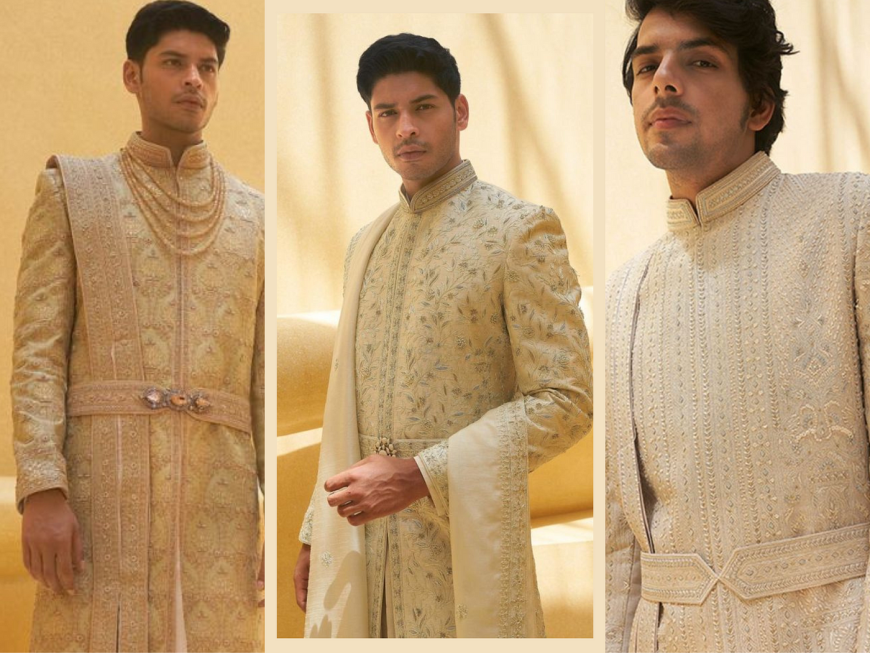
Men’s South Asian clothing represents a rich blend of tradition, culture, and evolving fashion. Rooted in the heritage of countries like India, Pakistan, Bangladesh, and Sri Lanka, these garments have stood the test of time while continuously adapting to modern trends. Today, men’s South Asian fashion is not only worn for cultural and religious occasions but has also become a global style statement embraced by diaspora communities and fashion enthusiasts worldwide.
At the heart of men’s South Asian attire is the shalwar kameez, one of the most widely worn outfits across the region. This ensemble consists of a long tunic (kameez) paired with loose-fitting trousers (shalwar). Known for its comfort and versatility, the shalwar kameez is suitable for both every day wear and formal events. It is often made from breathable fabrics like cotton for daily use, while silk, jamawar, or blended materials are reserved for weddings and celebrations. The simplicity of the outfit allows for subtle elegance, while embroidery and embellishments can transform it into a more luxurious ensemble.
Another iconic piece in men’s South Asian clothing is the kurta pajama. Similar to the shalwar kameez but slightly more streamlined, the kurta is a knee-length tunic paired with fitted trousers known as pajamas. This outfit is particularly popular in India and Bangladesh and is often worn during festivals such as weddings, Eid, and Diwali. The kurta pajama is appreciated for its refined silhouette, making it a favorite choice for semi-formal and formal occasions. Designers frequently experiment with cuts, collars, and fabrics to give this traditional attire a contemporary edge.
For more formal events, especially weddings, the sherwani stands out as a symbol of sophistication and grandeur. This long, coat-like garment is typically worn over a kurta and paired with churidar trousers. Sherwanis are often heavily embroidered with intricate patterns, beads, and metallic threads, reflecting the opulence associated with South Asian weddings. Grooms often choose sherwanis in rich colors such as gold, maroon, or ivory, sometimes complemented by a turban and traditional footwear like khussa or mojari.
In recent years, men’s South Asian clothing has seen a fusion with Western styles. This blend has resulted in modern interpretations such as kurta with jeans, waistcoat combinations, and tailored cuts that appeal to younger generations. Designers are increasingly focusing on minimalism, introducing neutral tones and sleek designs that can be worn in both cultural and casual settings. This evolution has made South Asian clothing more accessible and appealing to a global audience.
Fabrics play a crucial role in defining the look and feel of these garments. Cotton and linen are preferred for their comfort in warmer climates, while silk and velvet add a touch of luxury for special occasions. Seasonal variations also influence fabric choices, with lighter materials dominating summer collections and heavier textiles being reserved for winter festivities. The craftsmanship involved in creating these outfits often includes hand embroidery, block printing, and other traditional techniques passed down through generations.
Accessories further enhance men’s South Asian clothing. Items such as shawls, turbans, and waistcoats can elevate a simple outfit into a statement look. Footwear like traditional sandals or embroidered shoes adds authenticity and completes the ensemble. Even small details, such as cufflinks or pocket squares, can contribute to a polished appearance.
Cultural significance remains a key aspect of men’s South Asian clothing. These garments are often worn during important life events and religious celebrations, symbolizing identity and heritage. For many, wearing traditional attire is a way to stay connected to their roots, especially for those living abroad. It also serves as a means of expressing pride in one’s culture while sharing it with others.
In conclusion, men’s South Asian clothing is a dynamic blend of tradition and modernity. From the timeless shalwar kameez to the regal sherwani, each piece carries cultural meaning while adapting to contemporary fashion trends. As global interest in diverse styles continues to grow, South Asian menswear is gaining recognition for its elegance, versatility, and cultural richness. Whether worn for daily comfort or special occasions, these garments remain an enduring symbol of heritage and style.