How to Maintain Consistent Paint Coverage Across Large Surfaces
 crissmiel
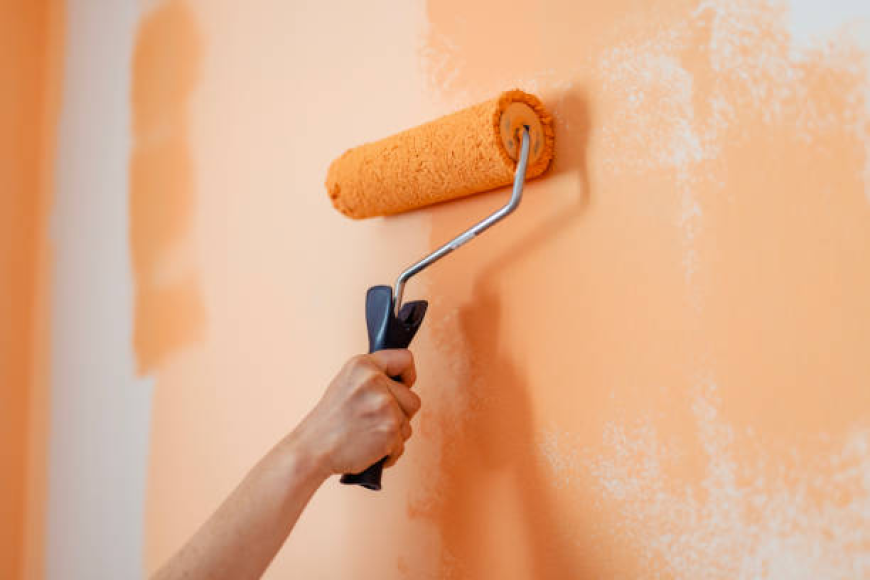
Big surfaces don’t forgive sloppy work. A small wall, you can get away with a few uneven passes. Nobody notices. But stretch that out across a long hallway or a wide floor, yeah… every mistake shows up like it’s highlighted. I’ve seen it plenty of times. Guys rush, or they think one good pass is enough. It’s not. Somewhere in the middle of the job, when you switch pace or stop paying attention, that’s where it starts going wrong. And if you’re using something like a paint roller refillable setup, you’ve got even less room for inconsistency if you don’t handle it right.
Prep Work (The Part People Still Try to Skip)
I get it, prep feels like wasted time. It’s not exciting. But bad prep is usually the reason coverage looks uneven later. Dust on the wall, tiny bits of old paint, even oil from hands—paint reacts to all of that. On a big surface, those little flaws repeat over and over. You don’t just get one bad spot, you get twenty. Quick wipe-down isn’t always enough either. Sometimes you’ve got to sand a bit, maybe prime, depends on what you’re dealing with. Skip it, and you’ll be chasing patchy coverage later. Happens more than people admit.
Roller Choice Actually Matters (More Than People Think)
A lot of folks just grab whatever roller is nearby. Same old one they’ve used for everything. That’s where things start slipping. The nap length alone can mess up your finish if it’s wrong. Too short on a rough surface? You’ll miss spots. Too thick on a smooth wall? You’ll overload it and leave texture behind. And then there’s the material—foam, microfiber, synthetic… each one behaves a bit differently. There’s no universal “best,” just what works for that surface and that coating. Sounds basic, but it’s one of those things people ignore until the finish looks off.
Loading the Roller (Where Consistency Starts to Break)
This is the quiet problem. First few passes look great because the roller’s loaded properly. Then you get comfortable… and start stretching it. Fewer reloads, more pressure. That’s when coverage thins out. You might not notice right away, but once it dries, yeah, you’ll see it. Whether you’re dipping into a tray or using a paint roller refillable, the rhythm matters more than people think. Load it properly. Roll it out. Reload again. Don’t try to squeeze “just one more pass” out of it. That habit alone causes half the uneven jobs I’ve seen.
Work in Sections, But Don’t Treat Them Like Boxes
Breaking a large area into sections helps. You need some structure or you’ll lose track. But here’s the catch—those sections can’t be isolated. You’ve got to overlap while the paint is still wet. That’s the only way it blends right. If one section dries before you roll into the next, you’ll get a visible line. And once it’s there, it’s annoying to fix. You either live with it or do another coat. Neither option is great.
Pressure Control (Easy to Mess Up When You’re Tired)
At the start, pressure is usually fine. Nice and even. Then halfway through, arms get tired, and you start pressing harder without realizing it. That changes how the paint spreads. You end up with streaks or thicker patches. Or the opposite—you go too light and miss coverage. There’s a balance. Not heavy, not feather-light. Just steady. Sounds simple, but over a big surface, keeping that consistent is actually work.
Technique Doesn’t Need to Be Fancy, Just Repeatable
People overthink this part. You don’t need some perfect pattern. The classic “W” method works, sure, but only if you even it out after. Lay the paint down, then smooth it with straight passes. That’s it. What you don’t want to do is keep rolling the same spot again and again. That’s where texture gets weird. Paint starts lifting instead of spreading. Do a pass, level it, move on. If you keep second-guessing every section, you’ll make it worse.
Drying Conditions Will Mess With You If You Ignore Them
This one sneaks up on people. Hot day? Paint dries faster than you expect. You lose that wet edge quickly. Cold or humid? It stays wet longer, which sounds good… until it starts sagging because you put too much on. So you adjust. Work a bit faster in heat, slower when it’s humid. There’s no exact formula. You just sort of feel it out as you go. Painters who ignore this usually end up blaming the paint. It’s not always the paint.
Paint Quality (Yeah, It Makes a Difference)
Not all paints behave the same, even if the label says they do. Some spread nicely and level out. Others fight you the whole way. On a large surface, those differences stand out more. You’ll notice uneven sheen or patchy spots even if your technique is decent. Cheap paint can still work, but it usually needs more coats and more patience. If you’re trying to save time, that’s not the place to cut corners.
When You’re Dealing With Epoxy, It’s a Different Game
Regular wall paint is forgiving. Epoxy isn’t. It’s thicker, stickier, and once it starts setting, you don’t get much room to fix mistakes. Using the best roller for epoxy pool paint isn’t just a suggestion—it actually changes the outcome. The wrong roller can leave bubbles, or drag the coating unevenly. And once that happens, fixing it is a pain. You want a roller that can handle that heavier material without fighting you the whole time. Otherwise, the finish ends up looking rough, even if you did everything else right.
That Last Pass (Most People Rush It)
Near the end of a section, there’s this urge to just move on. Job’s almost done, energy’s low. But that final light pass? It pulls everything together. Smooths out lines, evens the finish a bit. You’re not adding paint, just leveling it. Skip it, and sometimes the surface looks slightly off—not terrible, just… not clean either. Hard to explain, but you’ll notice it.
Conclusion
Consistent coverage isn’t about being perfect. It’s more about not slipping into bad habits halfway through. That’s really it. Keep your loading consistent, don’t rush your sections, pay attention to pressure—even when you’re tired. Most uneven finishes don’t come from lack of skill, they come from losing focus somewhere in the middle. Stay steady, do the small things right, and the surface comes out clean. Simple, not easy. That’s kind of how it goes.