How Interior Designers Balance Functionality and Visual Impact
 crissmiel
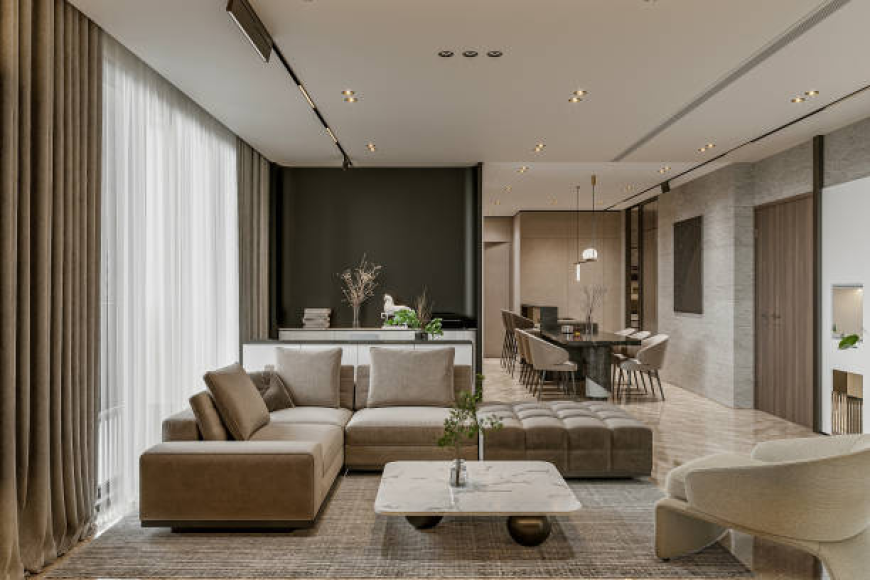
Most people think design begins with colors or furniture, but that’s not really how it works. It usually starts with problems. Real, everyday ones. Not enough storage. Bad lighting. Awkward layouts. That’s where Residential Interior Design in Las Vegas has been getting more interesting lately—less about showing off, more about solving how people actually live. And yeah, it still needs to look good, obviously. But if a space doesn’t function, the visual part just feels… hollow. Like a staged photo no one actually lives in.
Function First, But Not in a Boring Way
There’s this misconception that “functional” means plain or safe. It doesn’t. Good designers don’t strip personality out just to make a room practical. They just hide the practicality better. Storage becomes part of the design. Lighting does double duty—sets the mood and actually lets you see what you’re doing. Even furniture choices shift. A sleek chair might look great, but if you hate sitting in it after ten minutes, it’s a bad call. Simple as that. So yeah, function comes first, but it doesn’t have to look like it.
Visual Impact Isn’t Just About Being Loud
Some spaces try too hard. Big colors, dramatic pieces, everything fighting for attention. That’s not impact, that’s noise. Real visual impact is more controlled. It knows when to pull back. Designers often use contrast instead of chaos—something bold placed in a calmer setting so it actually stands out. A textured wall. A sculptural light. Even negative space, which people forget about, does a lot of heavy lifting. It gives the eye somewhere to rest. Without that, everything just blends into one loud mess.
The Push and Pull Between Comfort and Style
Here’s where it gets tricky. You want a space to feel comfortable, but not lazy. Stylish, but not stiff. That balance shifts depending on who’s living there. A family with kids? Durability matters more. A single professional? Maybe they lean more into aesthetics. Designers spend a lot of time figuring this out, quietly adjusting things. Softer materials here, sharper lines there. Sometimes they get it wrong at first. Happens. But when it clicks, you feel it immediately. The room just works, without you thinking about why.
Layout Does More Work Than People Realize
You can have the best furniture in the world, but if the layout’s off, nothing feels right. Movement matters. How you walk through a space, where your eye goes first, where you naturally sit. Designers obsess over this stuff, and yeah, it can look like overthinking from the outside. But it’s not. A few inches can change everything. Shift a sofa, suddenly the room breathes better. Open up a pathway, now it feels bigger without adding a single square foot. It’s subtle, but powerful.
Materials Carry Both Weight and Personality
Materials aren’t just about durability or cost, they shape the entire mood. Wood feels different from metal. Stone hits differently than fabric. Designers mix these carefully, trying not to overdo it. Too many textures and it gets messy. Too few and it feels flat. There’s also a practical side people forget. Some materials age better. Some need constant maintenance. So again, function sneaks back in. A marble countertop might look incredible, but if the client hates upkeep, it’s the wrong choice. Doesn’t matter how good it looks.
Lighting: The Quiet Dealbreaker
Lighting can make or break everything, and still people treat it like an afterthought. Big mistake. Natural light, artificial layers, accent lighting—it all works together. Or at least it should. A well-designed space changes throughout the day. Morning light feels different from evening, and good designers plan for that. They don’t rely on one harsh overhead light and call it done. That’s how you kill both function and vibe in one move.
Personalization Without Clutter
Clients always want personality in their space, which makes sense. But there’s a fine line between personal and cluttered. Designers help edit that down. Keep the meaningful stuff, ditch the excess. It’s not about minimalism for the sake of it. It’s about clarity. When everything has a reason to be there, the space feels intentional. And oddly enough, more personal, not less.
Real Example: Scaling Design in Larger Spaces
Take something like a 3 Story Loft Home in Las Vegas, which sounds great until you actually have to design it. Big spaces amplify mistakes. Empty corners feel awkward. Oversized furniture can either ground the room or overwhelm it. There’s also flow between levels to think about, which people often ignore. You can’t just design each floor separately and hope it works. It has to connect, visually and functionally. Otherwise it feels like three different houses stacked on top of each other.
Why Balance Is Never Perfect (And That’s Fine)
Here’s the truth—there’s no perfect balance. It shifts. What feels functional today might feel limiting later. What looks amazing now might feel dated in a few years. Designers know this, even if they don’t always say it out loud. The goal isn’t perfection, it’s adaptability. Spaces that can evolve a bit without needing a full reset every time life changes. That’s where the real value is.
Conclusion
At the end of the day, balancing functionality and visual impact isn’t some neat formula. It’s messy. A lot of trial, small adjustments, sometimes stepping back and rethinking the whole thing. The best interiors don’t scream for attention, but they don’t fade into the background either. They sit somewhere in the middle. Comfortable, but sharp. Practical, but still interesting. And when it’s done right, you don’t just see the difference—you live it.