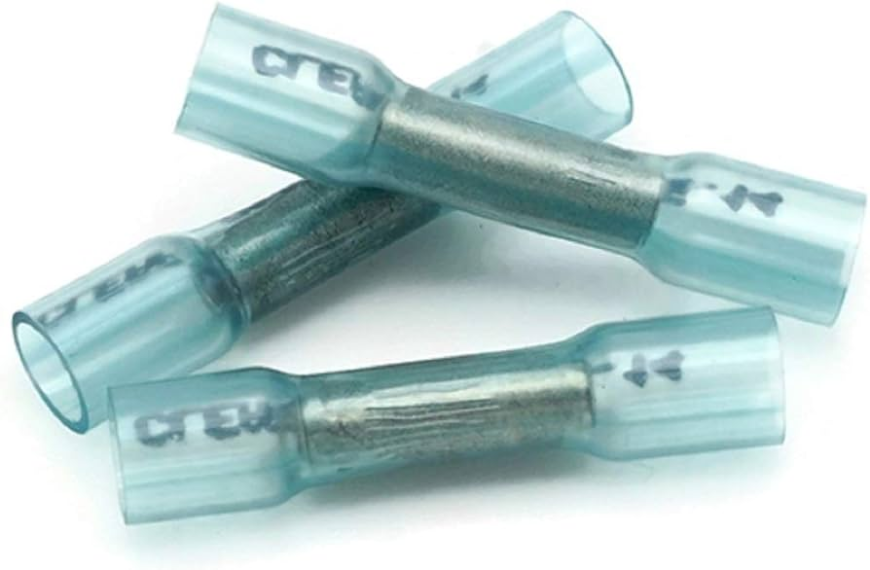
Understanding the Role of Wire Terminals & Splices
Wire Terminals & Splices are essential components in electrical systems where secure and efficient connections are required. They help join wires, connect conductors to devices, and maintain consistent current flow. Without these components, electrical systems would face frequent failures, loose connections, and safety risks.
In modern electrical design, Wire Terminals & Splices are not just accessories. They are critical for ensuring system stability, minimizing downtime, and maintaining compliance with safety standards.
Why Wire Terminals & Splices Matter in Electrical Systems
Electrical connections are often exposed to vibration, temperature changes, and environmental conditions. Poor connections can lead to overheating, voltage drops, and even equipment failure. Wire Terminals & Splices address these challenges by providing strong mechanical bonding and reliable conductivity.
- Prevents loose wire connections
- Enhances electrical efficiency
- Reduces maintenance requirements
- Improves overall system lifespan
Common Types of Wire Terminals Used in Applications
Different applications require different terminal designs. Choosing the correct type ensures optimal performance and durability.
Fork Terminals
Fork terminals allow quick connection and disconnection without removing the screw completely. They are widely used in maintenance heavy environments.
- Easy installation and removal
- Suitable for temporary or serviceable connections
- Common in control systems
Bullet Terminals
Bullet terminals consist of male and female connectors that snap together securely.
- Ideal for quick connect applications
- Frequently used in automotive wiring
- Supports repeated connections without damage
Blade Terminals
Blade terminals are flat connectors used in various electrical devices and appliances.
- Compact and space efficient
- Suitable for high density wiring setups
- Provides stable electrical contact
Ferrules
Ferrules are used to terminate stranded wires before inserting them into terminal blocks.
- Prevents wire strand fraying
- Improves connection quality
- Ideal for panel wiring
Exploring Different Types of Splices
Wire splices are essential for modifying circuits and repairing cables. Each type serves a unique purpose based on the connection requirement.
Parallel Splices
Parallel splices connect wires side by side, allowing current to flow evenly across conductors.
- Used in power distribution
- Ensures balanced electrical load
- Suitable for multi wire systems
Closed End Connectors
Closed end connectors are used to join multiple wires securely within a capped enclosure.
- Provides insulation and protection
- Easy to install without special tools
- Common in residential wiring
Crimp Splices
Crimp splices use mechanical pressure to bond wires together using a connector.
- Reliable and durable connection
- Eliminates the need for soldering
- Widely used in industrial applications
Materials That Enhance Performance
The durability and efficiency of Wire Terminals & Splices depend heavily on the materials used in their construction.
Conductive Core Materials
Copper remains the most preferred material due to its excellent conductivity and flexibility. Tinned copper is also widely used to improve corrosion resistance.
Protective Coatings
Many terminals are coated with materials such as tin or nickel to prevent oxidation and extend lifespan.
Insulation Layers
Insulation plays a vital role in safety and environmental protection.
- Heat shrink insulation for moisture resistance
- PVC insulation for general use
- Nylon insulation for high durability
Advantages of Using Wire Terminals & Splices
Incorporating high quality Wire Terminals & Splices into electrical systems delivers multiple operational benefits.
- Ensures consistent electrical contact
- Reduces the chances of short circuits
- Supports clean and organized wiring layouts
- Simplifies troubleshooting and repairs
- Enhances resistance to environmental stress
Where Wire Terminals & Splices Are Commonly Used
These components are found in nearly every electrical system, from simple installations to complex industrial networks.
Manufacturing and Automation
Used extensively in machinery and control panels to maintain uninterrupted operation and precise signal transmission.
Automotive and Transport
Critical for connecting wiring harnesses, lighting systems, and battery terminals where reliability is essential.
Energy and Power Systems
Used in power distribution units, transformers, and renewable energy setups to handle high current loads.
Consumer Electronics
Ensures compact and reliable connections in appliances and electronic devices.
Selecting the Right Wire Terminals & Splices
Choosing the correct components is crucial for performance and safety.
- Identify the correct wire gauge and current rating
- Consider environmental exposure such as humidity or heat
- Choose insulated or non insulated options based on application
- Ensure compatibility with installation tools
- Verify compliance with electrical standards
Installation Techniques for Reliable Connections
Even the best components can fail if not installed correctly. Proper techniques ensure long term reliability.
- Strip insulation carefully without damaging conductors
- Use calibrated crimping tools for precise connections
- Avoid using incorrect terminal sizes
- Check for secure attachment after installation
- Protect connections with proper insulation or covers
Future Trends in Wire Terminals & Splices
Advancements in materials and design are improving the efficiency and usability of Wire Terminals & Splices.
- Development of smart connectors for monitoring performance
- Increased use of heat shrink and waterproof solutions
- Enhanced designs for faster installation
- Improved corrosion resistant materials for harsh environments
Conclusion
Wire Terminals & Splices are fundamental to the reliability and safety of electrical systems. They ensure strong connections, reduce the risk of failure, and support efficient power and signal transmission. By selecting the right types and following proper installation practices, professionals can build systems that are both durable and high performing in any environment.

 joddie25