How Do Coaxial Connectors Improve Reliability in Modern Electronic Applications?
Discover how Coaxial Connectors support stable signal transmission, reduce interference, and improve performance in RF, telecom, broadcast, and industrial systems.
 joddie25
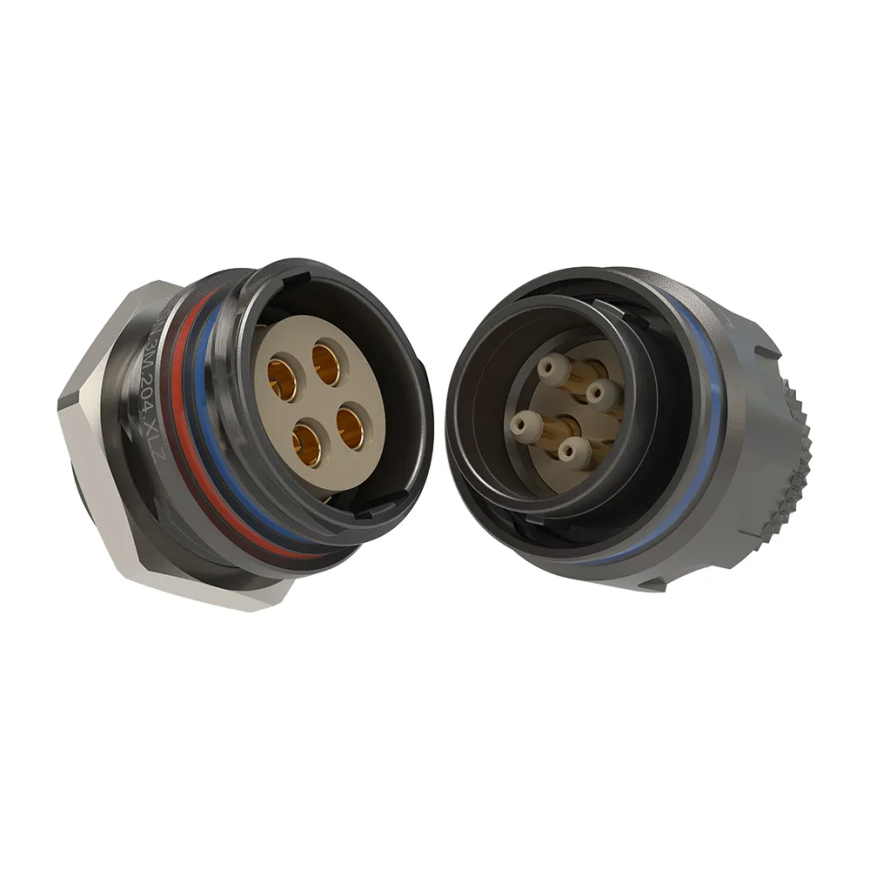
Coaxial Connectors are a core part of electronic design wherever signal stability and transmission quality matter. In many systems, cables alone cannot guarantee performance. The connector at each end of the cable must also protect the signal, maintain electrical consistency, and create a secure interface between equipment. This is why Coaxial Connectors continue to be trusted in sectors such as telecommunications, instrumentation, networking, aerospace, surveillance, and industrial electronics.
As devices become more compact and systems operate at higher frequencies, connection quality becomes even more important. A poorly chosen connector can lead to signal loss, unstable transmission, unwanted interference, and costly maintenance issues. Coaxial Connectors are designed to reduce these risks by supporting a controlled signal path and dependable physical connection. Their role may appear small in size, but their influence on total system performance is significant.
What Are Coaxial Connectors Used For?
Coaxial Connectors are used to terminate and connect coaxial cable in applications that carry radio frequency, data, video, or other high frequency signals. Their purpose is to join cable and equipment without disrupting the electrical structure that keeps the signal stable. Because coaxial cable includes a centre conductor and a surrounding shield, the connector must preserve both parts of that arrangement during transmission.
These connectors are widely selected because they help deliver:
- Stable signal flow
- Effective shielding from interference
- Consistent impedance
- Strong mechanical retention
- Reliable long term electrical contact
In practical use, Coaxial Connectors help equipment communicate more effectively, reduce transmission errors, and support better operational consistency in both simple and advanced systems.
Why Are Coaxial Connectors Important for Signal Quality?
Signal quality depends on more than the source and destination of the signal. The path between them matters just as much. When a connection point introduces mismatch, noise, or mechanical weakness, the signal may degrade before it reaches the receiving device. Coaxial Connectors are important because they are specifically engineered to keep that path controlled.
Protection Against External Interference
Electronic systems often operate near other devices that generate electromagnetic noise. Without proper shielding, this external activity can disrupt transmission. Coaxial Connectors help reduce this problem by maintaining the cable shield through the connection point, which supports cleaner and more dependable performance.
Reduction of Signal Reflection
When impedance changes abruptly, some signal energy can reflect back instead of moving forward. This reduces efficiency and can affect measurement accuracy or communication strength. Coaxial Connectors are designed to minimise this issue by maintaining a more consistent transition from cable to device.
Mechanical Stability Under Use
A connection that becomes loose can cause intermittent failure and unreliable results. Coaxial Connectors are available in secure designs that hold firmly in place, helping systems remain stable during repeated handling, vibration, or long term operation.
Where Are Coaxial Connectors Commonly Found?
Coaxial Connectors are used across a wide range of technologies because many industries depend on stable signal transfer. Their flexibility makes them suitable for both everyday installations and highly specialised environments.
Wireless Communication Equipment
Antennas, routers, signal boosters, and RF modules often rely on Coaxial Connectors to maintain dependable transmission between components. In these applications, signal strength and low loss are essential.
Video and Broadcast Systems
Professional media systems use Coaxial Connectors to carry video and related signals with strong consistency. Clear transmission is important in broadcast hardware, monitoring systems, and production equipment.
Laboratory Instruments
Testing and measurement systems require connectors that preserve signal accuracy. Coaxial Connectors are commonly used in equipment such as oscilloscopes, signal generators, and analysers where precision matters.
Medical Electronics
Many medical and diagnostic systems depend on stable electronic communication inside the equipment. Coaxial Connectors help support reliable performance in devices where accuracy is closely linked to operational quality.
Industrial and Security Systems
Monitoring systems, surveillance networks, and industrial control equipment often operate in demanding settings. Coaxial Connectors are used in these environments because they can offer durable performance and stable connectivity over time.
Which Coaxial Connectors Are Most Frequently Chosen?
Different applications call for different connector styles. The right choice depends on frequency range, space limits, installation method, and environmental demands.
SMA Coaxial Connectors
SMA Coaxial Connectors are often used in compact RF applications. Their threaded design provides a secure fit, and they are well suited to high frequency systems that require accurate and stable performance.
BNC Coaxial Connectors
BNC Coaxial Connectors are popular because they are quick to connect and disconnect. They are often used in test equipment, video systems, and communication tools where fast handling is useful.
TNC Coaxial Connectors
TNC Coaxial Connectors provide a threaded alternative to BNC styles. They are often preferred in settings where vibration or motion may affect a less secure connection.
N Type Coaxial Connectors
N Type Coaxial Connectors are larger and more rugged. They are commonly selected for communication infrastructure, outdoor applications, and systems that require stronger environmental resistance.
F Type Coaxial Connectors
F Type Coaxial Connectors are widely used in broadband, satellite, and television systems. They remain a practical solution for many signal distribution applications.
How Should Coaxial Connectors Be Selected?
Choosing Coaxial Connectors requires careful attention to the needs of the system. A connector should not be selected only because it appears to fit. Electrical and environmental compatibility must also be considered.
Match the Frequency Range
Each connector type is suited to a certain performance level. A connector used in a low demand setup may not perform well in advanced RF or microwave systems.
Confirm the Correct Impedance
Many applications require either 50 ohm or 75 ohm connectivity. Selecting the correct impedance helps maintain signal continuity and reduce transmission problems.
Check Environmental Conditions
Indoor laboratory use is very different from outdoor communication infrastructure. Moisture, vibration, dust, and temperature changes all influence which connector style is most suitable.
Review Cable Compatibility
The connector must match the cable diameter, shielding structure, and installation method. Incorrect pairing can weaken both signal quality and mechanical reliability.
Consider Durability and Maintenance
Some systems are connected once and left in place, while others are frequently disconnected during testing or service. The expected usage pattern should influence connector choice.
What Installation Factors Affect Performance?
Even high quality Coaxial Connectors can fail to perform well if they are installed poorly. Proper cable preparation and accurate assembly are essential to get the best result.
Important installation points include:
- Clean cable stripping without damage
- Correct alignment of conductor and shield
- Proper crimping, clamping, or soldering
- Secure mating without over tightening
- Inspection for fit and continuity after assembly
These installation practices help preserve the intended electrical performance and improve long term reliability.
Why Does Connector Quality Matter Over Time?
The long term value of Coaxial Connectors depends heavily on material quality and manufacturing precision. Low grade connectors may wear quickly, corrode, lose contact pressure, or provide inconsistent shielding. These problems can lead to unstable performance and higher replacement costs.
High quality Coaxial Connectors are generally made with better contact materials, stronger plating, and tighter dimensional control. This helps them perform more consistently under real operating conditions. For businesses and technical teams, using dependable connectors can reduce service issues, improve system confidence, and support a longer operating life.
Final Thoughts
Coaxial Connectors remain essential in modern electronics because they help preserve the quality, stability, and reliability of signal transmission across a wide range of applications. Their design supports accurate electrical performance while also providing the physical strength needed for repeated use and demanding environments.
From communication equipment and broadcast systems to laboratory instruments and industrial electronics, Coaxial Connectors continue to play a valuable role in keeping systems connected and efficient. Choosing the right type, installing it correctly, and focusing on quality can make a meaningful difference in performance from the very first connection.