When a mulcher attachment is the right choice for land clearing
Learn when an excavator mulcher attachment is the right choice for land clearing. Explore benefits, use cases, and comparisons with skid steer land clearing attachments.
 crissmiel
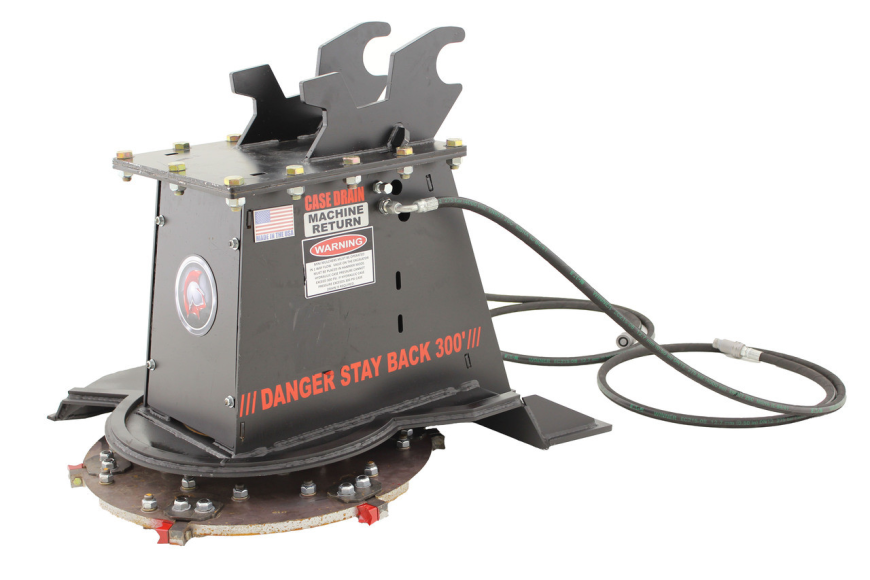
Not every land clearing job needs brute force. Sometimes it’s more about control, speed, and not turning the whole site into a mess you’ll spend two extra days cleaning up.
People jump between tools too fast these days. One minute they’re comparing buckets, next minute they’re thinking about chainsaws and grinders. But if you’ve done real clearing work, you know there’s a point where attachments start to matter more than the machine itself.
And if you’ve been looking at an excavator mulcher attachment, you’re already in that zone where brush, trees, and overgrowth are too much for basic tools.
This is where things get interesting.
What a mulcher actually solves on site
Let’s keep it simple.
A mulcher doesn’t just cut. It destroys and processes vegetation into usable ground cover. You’re not stacking brush piles everywhere. You’re not hauling debris off-site every hour.
You’re reducing everything on the spot.
That alone changes the entire workflow.
On land clearing jobs, time gets eaten in three places:
- Cutting material
- Moving material
- Cleaning material
A mulcher cuts two of those out in many cases.
That’s why contractors eventually start comparing it with other skid steer land clearing attachments. Because once you see the difference in cleanup time, it’s hard to ignore.
When a mulcher attachment actually makes sense
This is where a lot of people get it wrong. They assume a mulcher is the “best” option for everything. Not really.
It shines in specific situations.
1. Heavy brush and overgrowth
If you’re dealing with thick vegetation, tangled brush, or neglected land, a mulcher handles it clean. No stacking, no hauling.
2. Large area clearing
Open land projects where you need coverage fast. Mulchers reduce everything as you move through.
3. Forestry or roadside work
When debris removal is difficult or restricted, mulching keeps material on-site and manageable.
4. Time-sensitive jobs
When deadlines are tight and cleanup time matters more than perfection.
In those situations, an excavator mulcher attachment becomes less of an option and more of a necessity.
Where people make mistakes with mulchers
Now, this part matters.
Mulchers aren’t magic machines. They have limits. And pushing them wrong usually ends in frustration or damage.
Common mistakes:
- Trying to mulch large solid logs
- Running without proper hydraulic match
- Forcing heavy stumps instead of grinding them properly
- Ignoring maintenance until performance drops
You don’t want to treat it like a bulldozer. It’s not that.
It’s more controlled, more precise work than people expect at first.
Excavator vs skid steer setups (real talk)
This is where buyers usually hesitate.
Excavator mulcher setups give you reach and precision. You can work on slopes, ditches, uneven terrain without putting the machine in danger.
Skid steers, on the other hand, are faster in open areas. That’s why skid steer land clearing attachments are still widely used in general clearing work.
So it’s not about which is better overall. It’s about the job.
- Tight, uneven terrain → excavator mulcher wins
- Flat open land → skid steer setups can be faster
- Mixed terrain → depends on operator and site layout
Simple breakdown, but it saves people from buying the wrong setup.
Fuel, speed, and real efficiency
Mulching is not always the cheapest per hour.
Let’s be honest.
The machine works harder. Hydraulic demand goes up. Fuel consumption can increase. But what you save is labor and cleanup time.
That’s the trade.
Instead of:
- Cutting
- Piling
- Hauling
- Disposal
You’re doing it in one pass.
And on bigger jobs, that efficiency is where the money actually comes back.
Maintenance isn’t optional here
If you run a mulcher and ignore maintenance, it won’t last long. That’s just reality.
Basic things matter:
- Keeping teeth sharp
- Checking rotor balance
- Watching hydraulic heat
- Cleaning buildup after heavy use
- Inspecting wear plates regularly
People underestimate how much stress these attachments take.
Especially when running daily land clearing work.
Choosing the right build quality
Not all mulchers are built for the same workload. Some are light-duty, meant for occasional clearing. Others are designed for serious, daily commercial work.
This is where brands like Spartan Equipment usually stand out, because operators don’t want downtime in the middle of a clearing job. One failure on site can cost more than the attachment sometimes.
So build quality matters more than fancy specs on paper.
FAQ – Excavator mulcher attachment basics
What is an excavator mulcher attachment used for?
It’s used to clear brush, trees, and vegetation by grinding them into mulch directly on-site.
Is it better than other skid steer land clearing attachments?
Not always. It depends on terrain, job size, and machine type.
Can a mulcher handle trees?
Yes, but within size limits. It’s best for brush and small to medium trees, not large trunks.
Does a mulcher replace a bucket or grapple?
No. It works differently. It reduces vegetation rather than moving material.
Is it good for commercial land clearing jobs?
Yes, especially for large areas where cleanup time needs to be minimized.
Final thoughts
An excavator mulcher attachment isn’t for every job, and that’s fine. No attachment is.
But when the work shifts into heavy vegetation, large areas, or time-sensitive clearing, it becomes one of those tools that changes how the entire project flows.
Compared to general skid steer land clearing attachments, mulchers are more specialized. Less about moving material, more about eliminating it on the spot.
And that’s the real difference.
Pick it when the job demands efficiency over everything else. Not just when it looks convenient.