What Is an ETP Plant and Why Is It Important for the Chemical Industry?
What is an ETP plant and why is it essential for the chemical industry? Learn how effluent treatment plants manage hazardous wastewater, ensure CPCB compliance, reduce environmental impact, and optimize ETP plant cost per KLD. A complete 2026 guide by a trusted ETP plant manufacturer.
 hydroflux
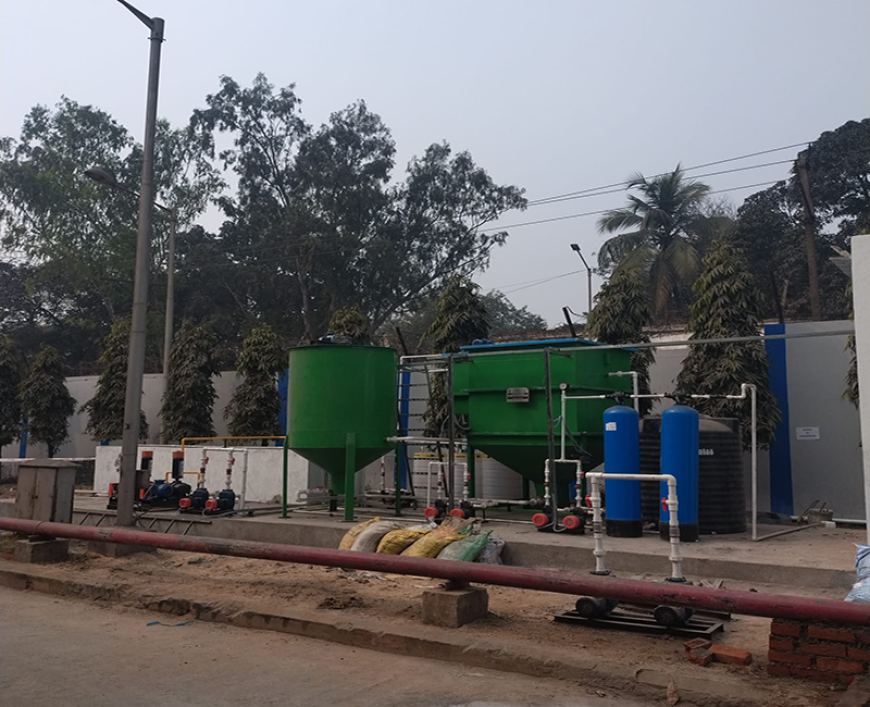
Industrial growth and environmental responsibility must go hand in hand — especially in high-impact sectors like the chemical industry. One of the most critical systems supporting safe and sustainable chemical manufacturing is the Effluent Treatment Plant (ETP). But what exactly is an ETP plant, and why is it so important for chemical industries in 2026?
This article explains the concept, working principles, and strategic importance of ETP systems in chemical manufacturing.
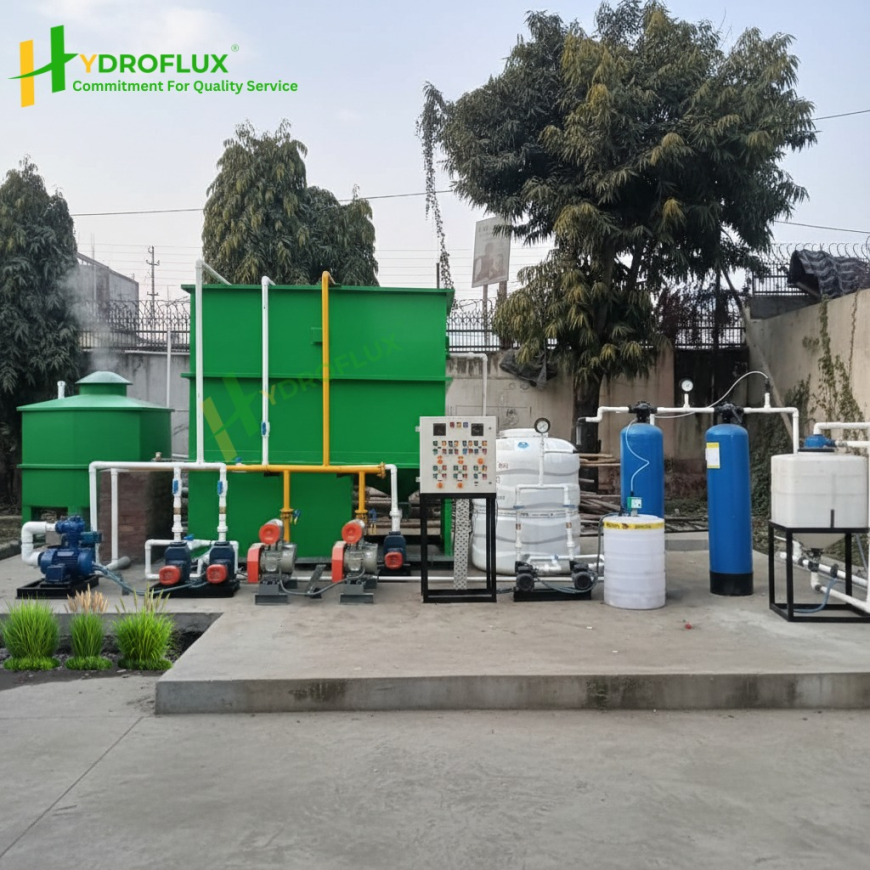
What Is an ETP Plant?
An Effluent Treatment Plant (ETP) is a wastewater treatment system designed to treat industrial effluent before it is discharged into the environment or reused in operations. Unlike domestic sewage, industrial wastewater often contains:
-
Toxic chemicals
-
Acids and alkalis
-
Heavy metals
-
High Chemical Oxygen Demand (COD)
-
High Biological Oxygen Demand (BOD)
-
Suspended solids
-
Oil and grease
An ETP plant removes or reduces these contaminants to meet environmental discharge standards set by authorities such as the Central Pollution Control Board (CPCB) and State Pollution Control Boards.
Why the Chemical Industry Generates Complex Effluent
The chemical industry produces a wide range of products — from solvents and polymers to dyes, pharmaceuticals, fertilizers, and specialty chemicals. These processes often involve:
-
Reaction by-products
-
Residual solvents
-
Process wash water
-
Cooling water blowdown
-
Equipment cleaning wastewater
As a result, chemical effluent is typically more hazardous and variable than wastewater from many other industries. Without proper treatment, it can cause severe environmental damage.
Why ETP Is Important for the Chemical Industry
1. Environmental Protection
Chemical effluent can contaminate rivers, groundwater, and soil. Toxic discharges may harm aquatic life and ecosystems. An ETP ensures pollutants are removed before release, preventing long-term ecological damage.
2. Regulatory Compliance
Environmental regulations for chemical industries are strict and continuously evolving. Discharge standards specify permissible limits for:
-
COD and BOD
-
pH levels
-
Heavy metals
-
Total Suspended Solids (TSS)
-
Oil and grease
Failure to comply can result in heavy penalties, legal action, production shutdowns, or loss of operating licenses. An efficient ETP ensures consistent compliance and audit readiness.
3. Worker and Community Safety
Untreated chemical wastewater may contain hazardous compounds that pose health risks to workers and nearby communities. Proper treatment reduces these risks and supports responsible industrial practices.
4. Water Reuse and Resource Efficiency
Water scarcity is becoming a serious concern in many industrial regions. Treated effluent from a well-designed ETP can often be reused for:
-
Cooling tower makeup
-
Process water (after advanced treatment)
-
Utility operations
-
Landscaping
Water reuse reduces freshwater dependency and lowers operating costs over time.
5. Corporate Sustainability Goals
Environmental, Social, and Governance (ESG) standards are increasingly influencing investment and customer decisions. Effective effluent management supports sustainability commitments and improves corporate reputation.
How an ETP Works in Chemical Industries
Because chemical wastewater varies widely, ETP systems are typically custom-engineered. The treatment process usually includes multiple stages:
1. Preliminary Treatment
-
Screening to remove solids
-
Oil and grease separation
-
Flow equalisation to stabilise load variations
2. Physico-Chemical Treatment
-
pH neutralisation
-
Coagulation and flocculation
-
Chemical precipitation for heavy metal removal
This stage is especially important in chemical industries where inorganic pollutants are present.
3. Biological Treatment
-
Aerobic systems such as Activated Sludge Process (ASP), MBBR, or SBR
-
Break down organic pollutants
However, not all chemical effluent is suitable for biological treatment — pre-treatment is often required.
4. Tertiary Treatment
-
Sand or multimedia filtration
-
Activated carbon filters
-
Advanced oxidation processes
-
Membrane filtration (if reuse is required)
5. Sludge Handling
Chemical treatment generates sludge that must be safely dewatered and disposed of as per hazardous waste guidelines.
Challenges in Treating Chemical Effluent
Treating chemical wastewater is complex due to:
-
Variable composition
-
Toxic shock loads
-
High salinity
-
Refractory (non-biodegradable) compounds
-
Corrosive characteristics
These challenges require expertise from an experienced ETP plant manufacturer capable of designing robust and adaptable systems.
Role of an ETP Plant Manufacturer in the Chemical Sector
A specialised ETP plant manufacturer plays a critical role in:
-
Conducting wastewater characterisation studies
-
Designing customised treatment solutions
-
Integrating physical, chemical, and biological processes
-
Ensuring corrosion-resistant material selection
-
Providing automation and monitoring systems
-
Supporting compliance documentation
Engineering-focused companies like Hydroflux Engineering emphasise tailored solutions for complex industrial effluent, helping chemical manufacturers balance compliance, performance, and cost efficiency.
Cost Considerations for Chemical Industry ETPs
The cost of an ETP for a chemical plant depends on:
-
Effluent flow rate (KLD)
-
Pollutant load and composition
-
Required discharge standards
-
Technology complexity
-
Automation level
-
Sludge disposal requirements
Although initial investment can be significant, the long-term benefits of compliance, water savings, and environmental protection outweigh the costs.
Trends in Chemical Industry ETP Systems (2026)
Modern ETP systems for chemical plants are evolving with:
-
Real-time IoT monitoring
-
AI-based performance optimisation
-
Energy-efficient blowers and pumps
-
Hybrid chemical-biological systems
-
Integration with Zero Liquid Discharge (ZLD) systems
These innovations improve efficiency while maintaining regulatory compliance.
Conclusion
An Effluent Treatment Plant (ETP) is not just a regulatory requirement for the chemical industry — it is a fundamental component of responsible industrial operations. By treating hazardous wastewater before discharge or reuse, ETP systems protect the environment, ensure legal compliance, safeguard public health, and promote sustainable growth.