Doypack vs Stand Up Pouch: What's the Difference?
Learn the technical differences between Doypack and stand up pouch packaging. Discover which gusset style fits your product and how an automatic packaging machine can improve your production efficiency.
 jamesliam1
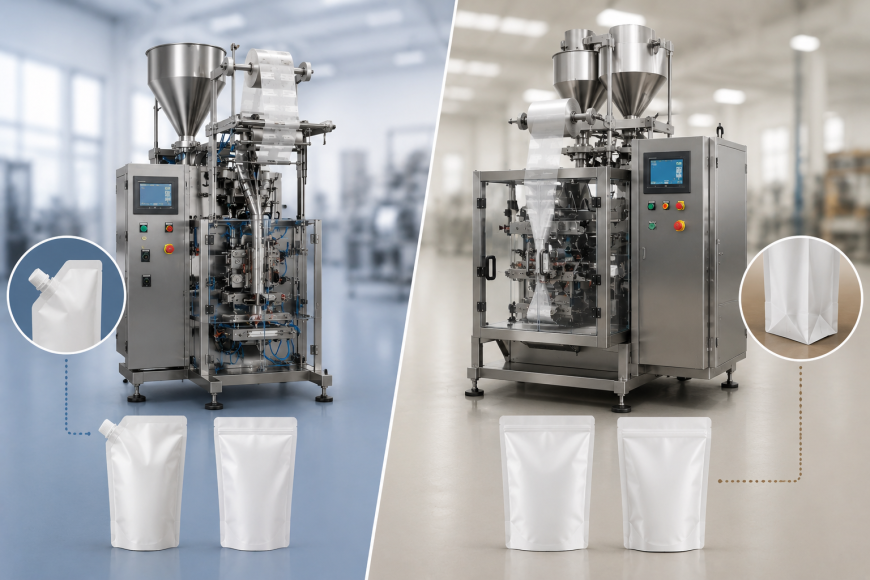
In the fast-paced world of retail, the way a product is presented on the shelf can be just as important as the product itself. If you have ever walked through a modern grocery store, you have likely noticed that stand up pouch packaging has become the gold standard for everything from coffee and snacks to liquid soaps and pet treats. Because of its popularity, many people in the industry use the terms "Doypack" and "Stand Up Pouch" interchangeably. However, while they are closely related, there are historical and technical nuances that set them apart.
What is a Doypack?
The term "Doypack" is actually a brand name that became a generic trademark over time. It was invented in 1962 by Louis Doyen, who was the president of the French company Thimonnier. The name itself is a portmanteau of "Doyen" and "Packaging."
Technically, a Doypack is a specific type of stand up pouch characterized by its unique bottom seal. This design consists of two flat sheets of material for the front and back, which are sealed together at the sides and top. The bottom features a "W" or "U" shaped gusset that expands when the product is inserted. This allows the bag to stand upright independently without the need for external support or cardboard boxes.
What is a Stand Up Pouch?
A Stand Up Pouch (SUP) is the broader category that encompasses all flexible bags designed to stand on a flat surface. While all Doypacks are stand up pouches, not all stand up pouches are Doypacks.
The stand up pouch category has evolved significantly since the 1960s. Today, it includes various bottom gusset designs beyond the original Doyen patent. These pouches are favored for their ability to provide high barrier protection against moisture, light, and oxygen, ensuring the contents remain fresh for as long as possible.
Key Differences in Design and Construction
While the core function of both formats is to stand upright, the primary difference lies in the bottom seal configuration. Manufacturers choose different styles based on the weight, volume, and aesthetic goals of the product.
The Original Doyen Gusset
The classic Doypack or Doyen gusset is the most common style for lightweight products. It typically features a round-bottom seal where the side seals meet the bottom curve. This design is excellent for products weighing less than one pound, as it provides a clean, stable base.
The K-Seal Gusset
The K-Seal is a variation often used for slightly heavier products. The seals at the bottom corners meet at a 45 degree angle, resembling the letter "K." This provides additional stability and prevents the "dead space" at the bottom corners where fine powders can sometimes get trapped.
The Plow Bottom (Round Bottom)
Also known as a corner seal, the plow bottom gusset is often used for heavy or bulky items. In this design, the bottom is a single piece of film with no seal in the center. This allows the product to sit directly on the film, providing maximum stability and volume for items like heavy pet food or large bags of sugar.
Why Brands Prefer Stand Up Pouch Packaging
There is a reason why flexible packaging has seen such rapid growth compared to traditional rigid containers like cans or glass jars. Here are some of the primary benefits:
-
Shelf Visibility: The large front panel provides a "billboard effect," allowing for high impact graphics and branding that catch the consumer's eye.
-
Material Efficiency: These pouches use significantly less plastic and energy to produce than rigid containers, which appeals to eco-conscious brands.
-
Portability and Convenience: Features like resealable zippers and tear notches make these pouches user-friendly for people on the go.
-
Reduced Logistics Costs: Because they ship flat and are lightweight, brands can fit significantly more empty pouches into a truck compared to empty glass jars or metal cans.
Choosing the Right Features for Your Pouch
When designing your packaging, the "stand" is only part of the equation. You must also consider how the consumer will interact with the product.
-
Zippers: Press-to-close zippers are essential for products that are not consumed in one sitting, such as granola or dried fruit.
-
Spouts: For liquids like baby food or sauces, integrated spouts allow for easy pouring and mess-free consumption.
-
Euro Holes: If you want your product to be hung on a pegboard in addition to standing on a shelf, adding a punched hole is a simple solution.
-
Transparent Windows: Allowing customers to see the quality of the product inside can build trust and encourage an immediate purchase.
Transitioning to Automation
Once a business grows beyond manual hand-filling, the next step is investing in high speed machinery to handle the volume. Moving to an automatic packaging machine allows for consistent fill weights and airtight seals that are difficult to achieve manually.
These systems are designed to pick a pouch, open it with a blast of air, fill it with a precise dose of product, and heat-seal the top in a single cycle. An automatic packaging machine can often handle multiple gusset styles, making it a versatile investment for a growing company. By automating this process, businesses can reduce labor costs and significantly minimize product waste.
The Future of the Stand Up Pouch
As the industry moves forward, the focus is shifting heavily toward sustainability. Both Doypack and other stand up pouch styles are now being developed with mono-material structures. These are made from a single type of plastic, making them much easier to recycle than traditional multi-layer laminates.
Furthermore, compostable and biodegradable materials are entering the market. While these still face challenges regarding barrier properties and shelf life, they represent the next frontier in flexible packaging technology.
Conclusion
Whether you call it a Doypack or a stand up pouch, this packaging format is here to stay. It offers the perfect blend of efficiency, shelf appeal, and consumer convenience. By understanding the technical differences between gusset styles and knowing when to invest in automation, you can choose the best possible vessel for your product. As consumer preferences continue to evolve, the flexibility of the pouch will remain its greatest strength.
Frequently Asked Questions (FAQs)
1. Can Doypacks be used for hot-fill products?
Yes, certain Doypacks are manufactured with specialized high-temperature films that can withstand hot-fill processes for products like soups or sauces. It is important to specify your filling temperature with your material supplier.
2. Is it possible to recycle stand up pouches?
Traditional pouches made of multiple layers of different plastics and foils are difficult to recycle. However, many manufacturers now offer "Recyclable Stand Up Pouches" made from PE/PE mono-materials that are accepted in specific recycling streams.
3. Which gusset style is best for liquid products?
The Doyen (Round Bottom) gusset is very popular for liquids because it creates a very stable circular base once filled. For larger volumes of liquid, the K-seal or Plow bottom may offer better structural integrity.
4. How do I know if my product needs a Stand Up Pouch?
If your product is sold in retail environments where shelf space is competitive, a stand up pouch is ideal. It is especially beneficial for products that benefit from being resealed or those that need high protection from the air.
5. What is the difference between a premade pouch and a VFFS bag?
A premade pouch is manufactured by a converter and arrive at your facility ready to be filled. A VFFS (Vertical Form Fill Seal) bag is created from a roll of film right on your production line, which is usually more cost-effective for extremely high-volume runs.