Why Are Crimp D-sub Connectors Still Important in Modern Electronics?
Crimp D-sub Connectors offer secure, reliable wire termination. Discover 7 key benefits, common applications, selection factors, and installation tips.
 joddie25
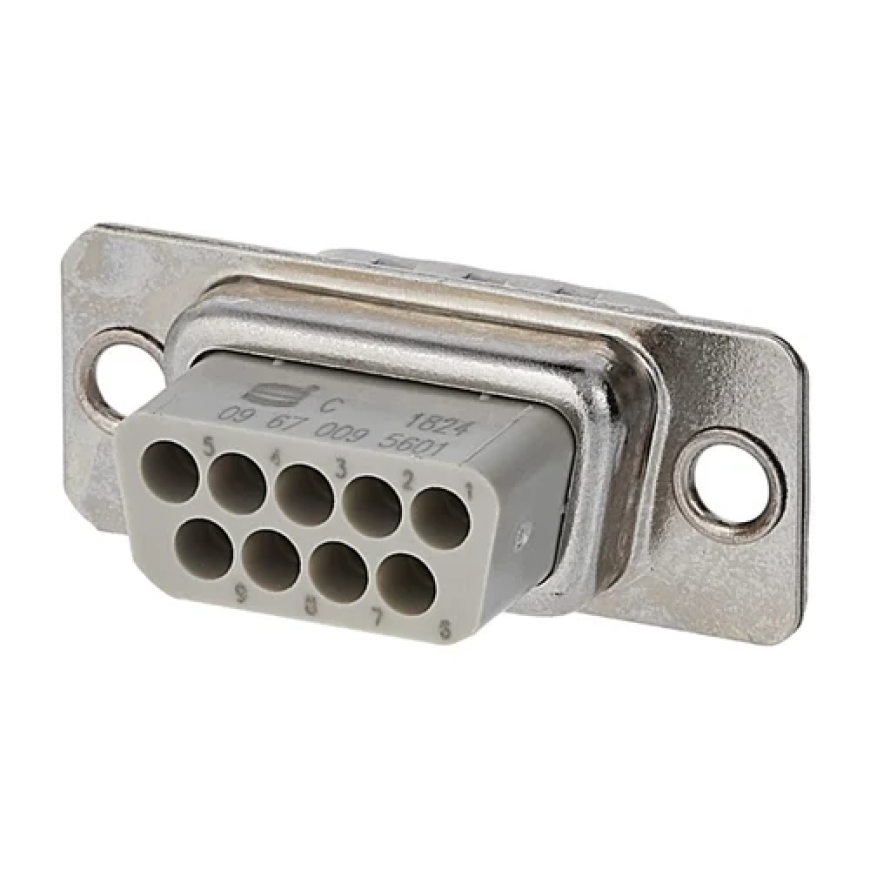
Crimp D-sub Connectors continue to play an important role in electronic equipment where dependable wired connections, easy servicing, and compact multi-contact interfaces are required. These connectors combine the familiar D-shaped shell with crimp-style contacts that attach directly to individual conductors. This design makes them practical for control panels, industrial machinery, communication equipment, testing systems, and custom cable assemblies.
Rather than soldering every wire to a fixed terminal, technicians can crimp separate contacts onto prepared wires before inserting them into the connector housing. This approach improves assembly flexibility and can make repairs easier when a single contact needs attention.
What Makes Crimp D-sub Connectors Different?
The main difference lies in the termination method. Each electrical conductor is mechanically joined to a removable metal contact using a dedicated crimping tool. Once terminated, the contact is positioned inside the required cavity of the connector housing.
This construction provides several practical advantages:
- Fast preparation of multi-core cable assemblies
- Consistent wire termination with suitable tooling
- Reduced exposure to soldering heat
- Replaceable individual contacts
- Flexible contact positioning during assembly
- Strong mechanical connection between wire and terminal
- Compatibility with various backshell and locking options
These characteristics make Crimp D-sub Connectors especially valuable where repeatable wiring procedures are needed.
How Are Crimp D-sub Connectors Constructed?
A complete connector assembly is made from several coordinated components. Each part contributes to electrical reliability and mechanical protection.
Connector Housing
The housing holds each contact in its designated position. It keeps conductors correctly separated and maintains accurate alignment during mating.
Metal D-shaped Shell
The outer shell provides physical protection and establishes the distinctive connector shape. Its geometry helps ensure that mating connectors are aligned correctly before engagement.
Crimp Contacts
Contacts form the electrical pathway between the cable and mating connector. Male pin contacts and female socket contacts are available depending on the required connector configuration.
Cable Backshell
A backshell covers the rear termination area and helps protect wiring against bending, pulling, and environmental exposure. Some backshells also support cable shielding and grounding arrangements.
Mounting Hardware
Screws, jack posts, and related hardware can secure the mating pair against accidental disconnection.
Where Do Crimp D-sub Connectors Perform Best?
Crimp D-sub Connectors are suitable for applications that combine multiple electrical lines within a compact interface. They can carry data, control signals, communication lines, and certain power circuits depending on their contact specifications.
Typical applications include:
- CNC machinery
- Industrial control panels
- Automation equipment
- Electronic test instruments
- Data logging equipment
- Embedded computer systems
- Laboratory equipment
- Serial communication interfaces
- Robotics
- Custom wiring harnesses
- Transport electronics
- Production testing stations
Their familiar form factor also makes them useful when maintaining older equipment that still relies on established D-sub interfaces.
How Do Crimp D-sub Connectors Improve Cable Assembly?
Cable assembly becomes more manageable when wires can be terminated separately before being loaded into the housing. Technicians can organise conductors, verify contact quality, and then place each contact into the correct cavity.
This process can also simplify modifications. A wiring configuration may be changed by extracting and relocating compatible contacts rather than replacing the complete connector.
For manufacturing environments, repeatable crimping can provide consistent results across multiple cable assemblies when approved tools and documented procedures are used.
Which Factors Matter When Selecting Crimp D-sub Connectors?
Successful selection requires checking both mechanical and electrical requirements. The connector should match the cable, equipment interface, operating environment, and expected service conditions.
Important considerations include:
- Number of required contacts
- Male or female contact arrangement
- Wire conductor size
- Maximum current rating
- Voltage requirements
- Contact plating
- Shell dimensions
- Panel mounting style
- Cable entry direction
- Operating temperature
- Required shielding
- Locking method
- Frequency of connection and disconnection
- Space available behind the equipment
Contact compatibility is particularly important. Crimp terminals must match both the connector housing and the conductor size.
Why Does Contact Plating Matter?
Contact surfaces influence electrical performance and durability. Different plating materials can affect resistance, corrosion behaviour, wear characteristics, and expected mating life.
Gold-plated contact surfaces are commonly selected where stable low-level signal transmission is important. Other contact finishes may be appropriate for general-purpose applications depending on the manufacturer specification and operating environment.
The correct contact should therefore be selected according to actual electrical and environmental requirements rather than appearance alone.
How Can Reliable Crimp Connections Be Achieved?
Good connector performance depends on careful wire preparation and correct tooling. Even a high-quality connector can become unreliable if its contacts are poorly crimped.
For dependable assembly:
- Confirm the specified wire size before crimping
- Strip only the required insulation length
- Keep conductor strands intact
- Insert the wire fully into the contact barrel
- Use the recommended crimping tool
- Check the completed termination visually
- Confirm the contact locks inside the housing
- Verify cavity positions before final assembly
- Add appropriate strain relief to the cable
- Test continuity after completing the connector
These steps reduce the likelihood of loose contacts, intermittent signals, and premature connection failure.
Why Is Strain Relief Important?
Cable movement can place stress on individual conductors if the cable is unsupported behind the connector. A suitable backshell or clamp transfers mechanical forces away from the crimped contacts.
This becomes particularly important in machinery, mobile equipment, test leads, and other applications where cables are repeatedly moved or pulled.
Proper strain relief protects the termination area while helping the cable assembly maintain reliable electrical contact throughout its service life.
What Makes Crimp D-sub Connectors a Practical Long-Term Choice?
Crimp D-sub Connectors remain relevant because they offer a useful balance of electrical performance, mechanical security, serviceability, and installation flexibility. Their removable contact system supports easier maintenance, while their established housing format fits a wide range of industrial and electronic applications.
When connector size, contact type, wire gauge, plating, backshell, and tooling are selected correctly, Crimp D-sub Connectors can provide consistent connections across demanding systems. Their practical construction continues to make them a valuable option for engineers, technicians, equipment manufacturers, and cable assembly specialists seeking organised and maintainable multi-contact wiring solutions.