How Wellness Real Estate Is Transforming Residential and Commercial Spaces
 Tinu56
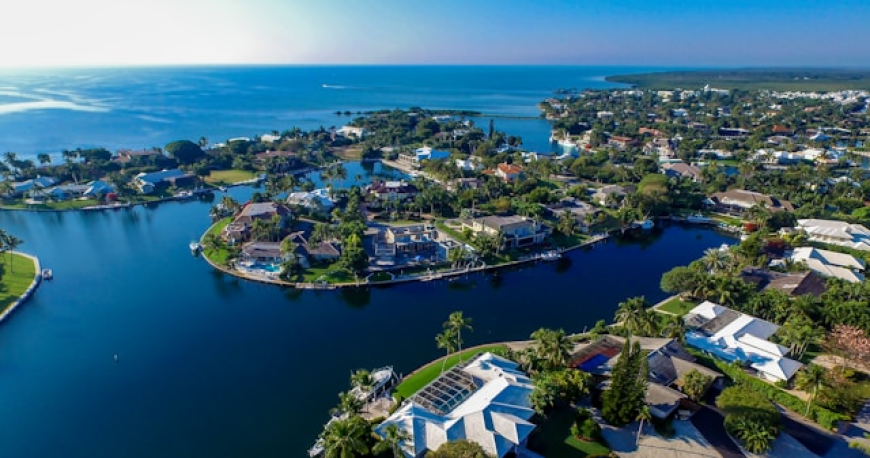
Understanding Smart Wellness Communities
What Defines a Smart Wellness Community?
Smart wellness communities combine advanced technology, sustainable infrastructure, and wellness-focused amenities to create healthier environments for residents. Unlike traditional residential developments, these communities are designed to improve physical health, mental well-being, environmental quality, and social connectivity.
Key features often include intelligent transportation systems, green buildings, renewable energy integration, smart security, clean air initiatives, community fitness centers, digital healthcare services, and abundant open spaces. The goal is to create neighborhoods where technology and wellness work together to improve everyday life.
The Evolution of Lifestyle-Oriented Developments
Residential communities have evolved significantly over the past two decades. Earlier developments focused primarily on housing density and convenience, whereas today's projects emphasize quality of life, sustainability, and long-term resilience.
Developers are increasingly designing neighborhoods that support active lifestyles through cycling paths, pedestrian-friendly streets, parks, healthcare facilities, educational institutions, and recreational spaces. This evolution reflects changing consumer expectations and the growing importance of holistic living.
Why Wellness-Centric Communities Are Gaining Popularity
Urban populations are becoming increasingly conscious of environmental quality, work-life balance, and preventive healthcare. As a result, homebuyers now seek communities that offer healthier lifestyles rather than simply residential accommodation.
Communities featuring wellness programs, green landscapes, advanced digital infrastructure, and accessible public amenities attract higher demand while supporting stronger long-term property values.
Key Growth Drivers Fueling the Market
Rising Demand for Integrated Healthy Living
Consumers increasingly prefer neighborhoods that combine housing, healthcare, recreation, education, and retail services within a single integrated environment.
This approach reduces commuting time, promotes active transportation, encourages community engagement, and contributes to improved physical and mental health. The convenience of integrated living continues to strengthen market demand worldwide.
Digital Transformation in Residential Communities
Technology has become a cornerstone of smart wellness communities. Internet of Things (IoT) devices, artificial intelligence, cloud-based management systems, and connected infrastructure enable efficient operation of utilities, transportation, lighting, and security.
Residents benefit from intelligent home automation, mobile community applications, predictive maintenance, and real-time environmental monitoring, creating safer and more efficient living environments.
Sustainable Infrastructure and Green Urban Planning
Environmental sustainability remains fundamental to smart community development. Developers increasingly prioritize energy-efficient buildings, renewable energy generation, water conservation systems, electric vehicle charging infrastructure, and waste management technologies.
Green urban planning also incorporates extensive landscaping, biodiversity preservation, and climate-resilient infrastructure that supports healthier ecosystems.
Growing Investments from Public and Private Sectors
Governments, institutional investors, and private developers continue increasing investments in smart city initiatives and wellness-focused residential projects.
Public-private partnerships accelerate infrastructure development while encouraging innovation in digital connectivity, sustainable construction, and community services. These collaborative investments are expected to drive substantial market expansion.
Market Trends Revolutionizing Community Development
AI-Powered Smart Infrastructure
Artificial intelligence is transforming urban management through predictive analytics, automated traffic control, intelligent energy distribution, and smart building operations.
AI systems optimize resource utilization while improving resident safety, reducing operational costs, and enhancing service efficiency. These technologies create more responsive and adaptive residential environments.
Walkable Neighborhoods and Mixed-Use Developments
Modern community planning increasingly emphasizes walkability and mixed-use design. Residential areas are strategically integrated with commercial centers, educational institutions, healthcare facilities, entertainment venues, and public transportation.
This planning model encourages healthier lifestyles by reducing dependence on private vehicles while strengthening local economic activity.
Renewable Energy and Resource Efficiency
Communities are adopting solar energy, battery storage, smart electrical grids, rainwater harvesting, wastewater recycling, and energy-efficient public infrastructure to improve sustainability.
These environmentally responsible solutions reduce carbon emissions while lowering long-term operational expenses for residents and developers alike.
Wellness Amenities Enhancing Resident Experience
Today's communities provide comprehensive wellness amenities including outdoor fitness parks, yoga studios, meditation centers, wellness clinics, cycling trails, sports complexes, children's play areas, and community gardens.
These facilities foster healthier lifestyles while encouraging social interaction and stronger neighborhood engagement.
Market Challenges, Opportunities, and Future Outlook
Cost and Infrastructure Challenges
Developing smart wellness communities requires significant investment in digital infrastructure, sustainable construction technologies, and integrated public services.
High implementation costs, evolving technology standards, and long project development cycles remain key challenges. However, long-term operational efficiencies and premium property values often justify these investments.
Expanding Opportunities in Emerging Markets
Rapid urbanization across Asia-Pacific, Latin America, the Middle East, and Africa creates substantial opportunities for smart wellness community development.
Growing middle-class populations, infrastructure modernization, and supportive government policies are encouraging developers to introduce integrated residential projects tailored to evolving urban lifestyles.
The Role of Smart Governance and ESG Standards
Environmental, Social, and Governance (ESG) principles are becoming increasingly important in large-scale residential developments.
Transparent governance, sustainable resource management, digital public services, and responsible environmental practices improve community resilience while attracting institutional investment focused on long-term sustainability.
Get Your Free Sample Copy of the Latest Market Research Report: https://market.us/report/wellness-real-estate-market/request-sample/
Future Outlook for Smart Wellness Communities
The future of smart wellness communities is closely linked to advances in artificial intelligence, renewable energy, digital healthcare, and sustainable urban planning. As cities continue to expand and consumer expectations evolve, integrated communities offering technology-enabled convenience, environmental responsibility, and wellness-focused lifestyles will become increasingly desirable.
Developers that successfully combine innovation, sustainability, and resident well-being will be well-positioned to capitalize on the growing demand for next-generation urban living solutions.