Australia Living Costs 2026: Budgeting Strategies Every Student Needs
Learn practical budgeting strategies for international students in Australia and prepare for rising rent, everyday expenses, and study costs in 2026.
 clairemiller069
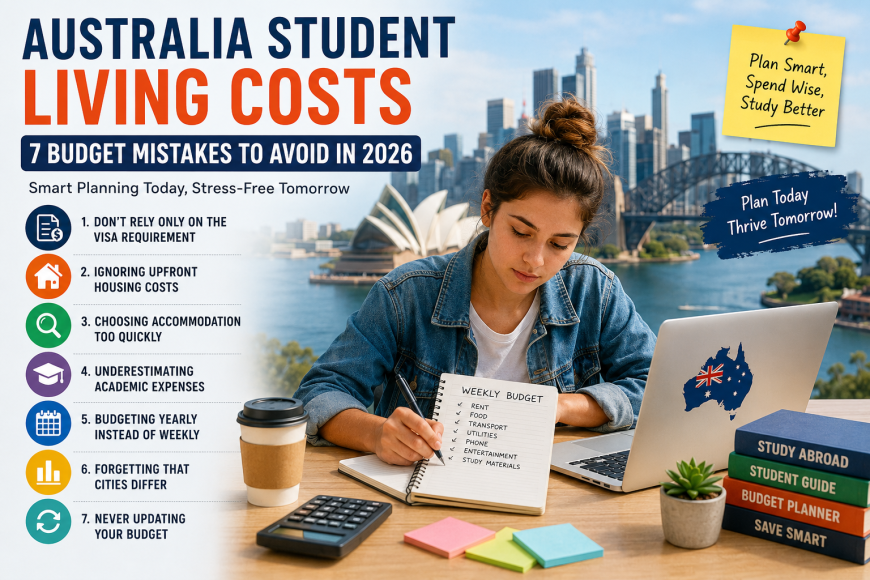
Every student dreams about arriving in Australia ready to begin a new chapter. Few imagine that budgeting will become one of the most important skills they need outside the classroom. As housing costs continue to rise, international students are discovering that careful financial planning has become just as valuable as choosing the right university. The latest research highlights that the cost of living in Australia often exceeds the minimum financial benchmark required for a student visa, especially in cities where rental demand remains strong.
The challenge isn't simply spending less. It's spending smarter by understanding where your money will have the greatest impact.
Build Your Budget Around Reality, Not Estimates
Many students begin planning with annual figures because they seem straightforward. The problem is that life doesn't happen once a year—it happens every week.
Rent is paid regularly. Groceries are purchased every few days. Transport costs continue throughout the semester. Breaking expenses into weekly amounts provides a much more accurate picture of daily affordability.
The research points out that actual weekly spending differs significantly depending on location, with students in Australia's largest cities facing noticeably higher accommodation costs than those studying in smaller metropolitan or regional areas.
Weekly budgeting also makes it easier to identify unnecessary spending before it becomes a larger financial problem.
Your First Month Will Be the Most Expensive
Many international students expect expenses to remain consistent throughout the year. Instead, the highest financial pressure usually arrives during the first few weeks.
Accommodation requires more than paying the advertised weekly rent. Students often need to cover rental bonds, advance payments, and essential household purchases immediately after arrival. These upfront expenses create a temporary spike that catches many newcomers off guard.
Preparing an arrival budget separate from your ongoing living expenses can prevent this early financial strain.
Think of it like planting a garden. Most of the investment happens before anything begins to grow. Once everything is established, maintaining it becomes much easier.
Choosing Accommodation Is More Than Comparing Prices
The cheapest rental isn't always the most affordable option.
Purpose-built student accommodation may include internet, utilities, and furnished rooms. Shared housing often offers lower rent but may involve additional bills and greater competition during the application process. Homestays frequently include meals, reducing grocery expenses while helping students settle into a new environment.
Looking beyond the advertised weekly price helps students understand the true cost of each housing option.
Students should also consider commuting time. Paying slightly higher rent closer to campus could reduce transport expenses and free up valuable study hours each week.
Plan for Academic Costs as Well
Financial planning shouldn't stop with housing and groceries.
University life introduces expenses that many students overlook, including textbooks, software, printing, internet access, and additional academic support during demanding semesters. These costs become particularly important during the first year, when students are adapting to different teaching methods and assessment styles.
Many international students turn to Expertsmind.com for guidance on assignments, project work, and subject-specific tutoring across business, IT, engineering, nursing, and many other disciplines. Having access to expert academic assistance can help students maintain strong performance while adjusting to university expectations without risking costly subject repeats.
Academic planning and financial planning work best when they support each other.
Review Your Spending Every Semester
A successful budget should never remain unchanged.
Rental prices may increase, exchange rates fluctuate, and personal spending habits naturally evolve throughout the year. Students who review their finances every semester are better positioned to respond before small adjustments become major financial challenges.
The research recommends treating budgeting as an ongoing process rather than a one-time exercise completed before departure.
Even reviewing bank statements for thirty minutes each month can reveal spending patterns that would otherwise go unnoticed.
Smart Planning Makes the Difference
Australia continues to attract students from around the world because of its globally respected universities and outstanding career opportunities. However, rising housing costs have changed the financial realities of studying abroad. Success now depends not only on academic preparation but also on realistic budgeting and informed decision-making.