Algae-Eating Fish vs. Other Natural Algae Control Methods
 Robert Micheal
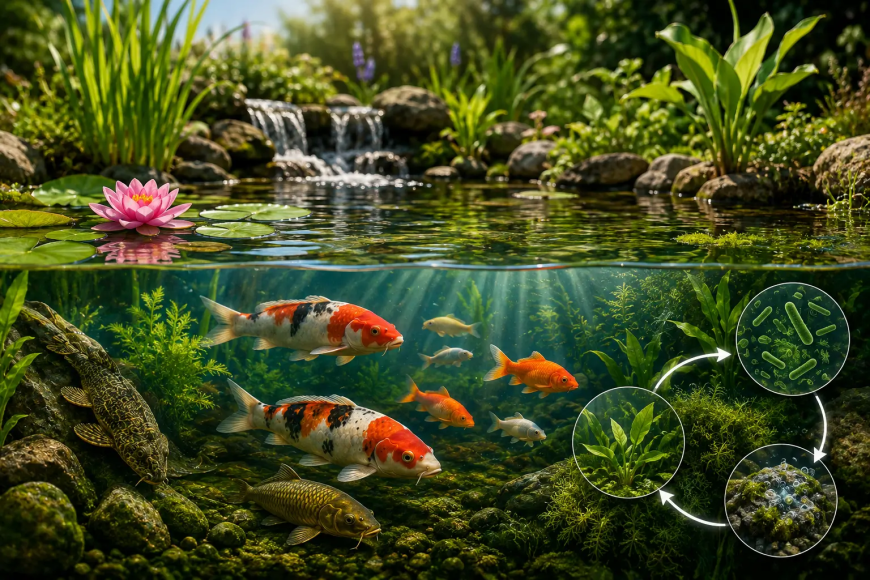
Algae are a natural part of pond life, but excessive growth can turn clear water green and cover rocks, plants, and pond walls. There are several natural ways to manage algae, from adding fish to improving circulation and growing aquatic plants. Algae-Eating Fishes for your Pond can provide natural grazing, but they work best when combined with other methods that address the causes of algae growth.
Why Does Pond Algae Grow?
Algae need light, water, and nutrients to grow. Problems usually occur when a pond contains too many nutrients or receives excessive sunlight.
Common sources of nutrients include fish waste, uneaten food, fertiliser runoff, fallen leaves, and decaying plants. Poor water circulation can also create conditions that favour algae.
Understanding why algae are growing makes it easier to choose the right control method.
Algae-Eating Fish as a Natural Solution
Certain fish naturally consume algae or aquatic vegetation. Depending on the species, they may graze on algae growing on rocks, pond walls, plants, or other surfaces.
Common examples include suitable species of plecos, tilapia, and other algae-grazing fish. Grass carp are more useful for controlling aquatic vegetation than typical surface algae.
Fish provide ongoing grazing, but their effectiveness depends on species, pond conditions, food availability, and stocking levels.
Benefits of Using Algae-Eating Fish
Fish can offer several advantages:
-
Natural and ongoing algae grazing
-
Adds activity and life to the pond
-
Can become part of the pond food chain
-
May reduce algae on certain surfaces
-
Does not require daily manual algae removal
However, fish also produce waste. Overstocking can increase nutrients and potentially encourage more algae.
Aquatic Plants for Algae Control
Aquatic plants can help control algae by competing for nutrients and, in some cases, providing shade.
Floating plants can reduce the amount of sunlight reaching the water, while submerged and marginal plants can absorb nutrients from the pond.
Plants also provide habitat for insects and other organisms, helping create a more diverse ecosystem.
The key is balance. Too many plants can produce large amounts of dead organic material when they decay.
Improving Pond Aeration
Aeration is another natural-support method for managing pond conditions. Air pumps, fountains, and waterfalls can help increase oxygen levels and improve circulation.
Good circulation can reduce stagnant areas and distribute oxygen more evenly throughout the pond.
Aeration does not directly remove algae, but it can support fish, beneficial bacteria, and the overall pond ecosystem.
Reducing Excess Nutrients
Nutrient control is one of the most important parts of long-term algae management.
You can reduce excess nutrients by:
-
Removing fallen leaves
-
Cleaning out dead plant material
-
Avoiding overfeeding fish
-
Preventing fertiliser runoff
-
Maintaining pond filters
-
Removing accumulated organic debris
When fewer nutrients are available, algae may have fewer resources for rapid growth.
Biological Filtration and Beneficial Bacteria
Beneficial bacteria help break down organic waste and process nitrogen compounds produced by fish waste.
A biological filter provides surfaces where these microorganisms can establish. When the biological system is healthy, it can help maintain better water quality.
This method works differently from algae-eating fish. Fish graze on algae, while beneficial bacteria help process waste and nutrients that can contribute to algae growth.
Physical Algae Removal
Sometimes the simplest method is to physically remove algae.
A pond net or rake can be useful for removing string algae and floating debris. Manual removal can provide immediate results, especially when algae has accumulated heavily.
The disadvantage is that algae can grow back if the underlying cause remains. Physical removal is therefore best combined with nutrient control and good pond management.
Shade and Sunlight Management
Excessive sunlight can encourage algae growth. Adding suitable floating plants or creating partial shade around the pond can reduce direct sunlight.
You should not completely block sunlight because aquatic plants need light, and a healthy pond ecosystem depends on a balance of light and shade.
Strategic shading can be a useful supporting method when sunlight is contributing to algae problems.
Algae-Eating Fish vs. Other Natural Methods
|
Method |
Main Benefit |
Best For |
Main Limitation |
|
Algae-eating fish |
Natural grazing |
Surface algae and suitable algae types |
Fish produce waste |
|
Aquatic plants |
Nutrient competition and shade |
Nutrient control |
Too many plants can create debris |
|
Aeration |
Improves oxygen and circulation |
Overall pond health |
Does not directly remove algae |
|
Beneficial bacteria |
Processes organic waste |
Biological filtration |
Needs suitable conditions |
|
Manual removal |
Immediate algae reduction |
Heavy visible algae |
Algae can return |
|
Shade |
Reduces sunlight |
Sun-driven algae growth |
Too much shade can affect plants |
Which Method Should You Choose?
There is no single natural algae-control method that works for every pond.
If you want continuous grazing, suitable algae-eating fish may be helpful. If nutrient levels are high, focus on reducing organic waste and improving biological filtration.
For ponds with poor circulation, aeration may provide greater benefits. If sunlight is the main factor, aquatic plants and partial shade can help.
In many cases, combining several methods produces better long-term results than relying on one solution.
Why Fish Alone May Not Be Enough
Adding fish without fixing the cause of algae growth can create new problems. Fish waste adds nutrients to the water, and too many fish can increase algae instead of reducing it.
Before adding algae-eating fish, check your pond's stocking level, filtration, feeding routine, water circulation, and nutrient sources.
A healthy pond should have a balanced fish population rather than the maximum possible number of algae grazers.
A Natural Algae-Control Strategy
A practical approach can combine several simple steps:
-
Remove visible algae and organic debris.
-
Reduce fish feeding if food is being left uneaten.
-
Maintain the pond's filtration system.
-
Improve circulation and aeration.
-
Add suitable aquatic plants.
-
Reduce unnecessary nutrient runoff.
-
Choose compatible algae-eating fish if appropriate.
-
Monitor water quality and algae growth over time.
This approach targets both existing algae and the conditions that encourage it.
Final Thoughts
Algae-eating fish can be a useful natural tool, but they are only one part of effective pond management. Fish provide grazing, while aquatic plants compete for nutrients, aeration supports oxygen levels, beneficial bacteria process waste, and physical removal provides quick relief.
The best results usually come from combining these methods according to your pond's needs. Instead of trying to eliminate every trace of algae, focus on maintaining a balanced ecosystem where excessive algae growth is less likely to occur.