A Tooth That Feels Like Your Own: The Complete Guide to Dental Implants
A dental implant is a small titanium post that is surgically inserted into the jawbone where a tooth root once sat.
 dianeadsmith
Losing a tooth is one of those experiences that affects far more than just your smile. It changes the way you chew, the way you speak, and for many people, the way you feel about yourself in social situations. Whether the loss happened because of an accident, advanced decay, or a tooth that simply could not be saved, the gap it leaves behind is both physical and personal. The good news is that modern dentistry offers a solution that goes far beyond filling that space — it replaces the tooth from root to crown in a way that looks, feels, and functions like the real thing. For anyone exploring dental implants near Bowling Green KY, understanding exactly what the process involves and what makes implants stand apart from other options is the right place to start.
What a Dental Implant Actually Is
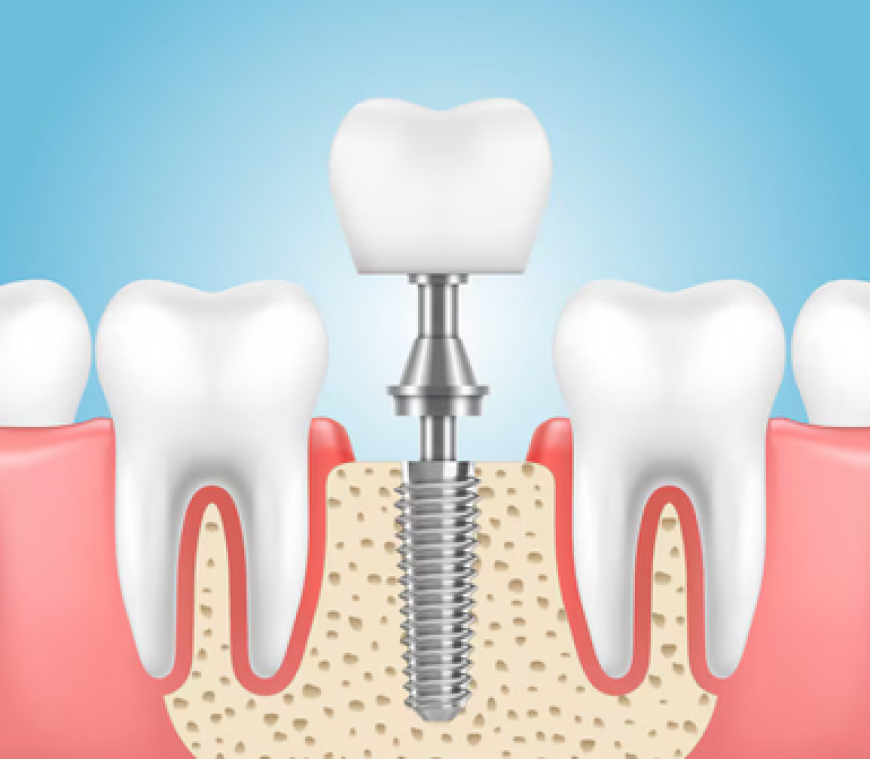
A dental implant is a small titanium post that is surgically inserted into the jawbone where a tooth root once sat. Titanium is used because the body accepts it exceptionally well — over the course of several months, the bone grows directly around the post in a process called osseointegration, anchoring it as firmly as a natural root. Once that bond is established, a connector piece called an abutment is attached to the post, and a custom-made crown is placed on top. The finished result is a single, freestanding tooth that does not rely on neighboring teeth for support and does not come in and out like a denture. It is the closest thing modern dentistry has to a biological tooth, and for most patients, it becomes completely indistinguishable from the teeth around it.
How the Implant Process Unfolds Over Time
One of the most important things to understand about dental implants is that the process takes time — and that time is working in your favor. The journey typically begins with a consultation that includes X-rays, a review of your bone density, and a full assessment of your oral health. If any preparatory work is needed — such as a tooth extraction or a bone graft to build up tissue that has been lost — that happens before the implant is placed. The surgical placement itself is performed under local anesthesia and is typically completed in under an hour. After placement, the healing and integration period lasts anywhere from three to six months depending on the individual. Once integration is confirmed, the abutment and crown are added, completing the restoration. Patients who go through the full timeline almost universally feel the wait was worth it.
Why Implants Outperform Bridges and Dentures
Bridges and dentures have their place in dentistry, and for certain patients they remain the right choice. But when you compare what each option actually delivers, implants have some compelling advantages that are hard to overlook. A traditional bridge requires the dentist to grind down the healthy teeth on either side of the gap so they can serve as anchors — permanently altering teeth that had nothing wrong with them. Dentures, while removable and adjustable, can slip during eating or speaking, require adhesives, and need periodic replacement. Neither option addresses the bone loss that occurs naturally beneath a missing tooth, which over years can change the shape of the jaw and the appearance of the face. An implant, by contrast, stimulates the jawbone the same way a natural root does, preventing that bone resorption entirely. It also stands completely on its own, leaving neighboring teeth completely untouched.
Who Makes a Good Candidate for Dental Implants
Most adults who are missing one or more teeth are potential candidates for implants, but a thorough evaluation is necessary to confirm suitability. Adequate jawbone density is one of the primary requirements, since the implant needs sufficient bone to integrate into. Patients who have experienced significant bone loss may require a grafting procedure first, which adds time but does not disqualify them from eventually receiving an implant. Good overall health matters as well — conditions like uncontrolled diabetes or autoimmune disorders can affect healing and are discussed in detail during the consultation. Smokers can receive implants, but tobacco use does increase the risk of complications and is something the dentist will want to address openly. For the large majority of patients who inquire about dental implants near Bowling Green KY, suitability is confirmed and treatment can proceed.
Implants for Multiple Missing Teeth
While single-tooth implants are the most commonly discussed option, the implant concept scales effectively for patients who have lost several teeth or even a full arch. Implant-supported bridges use two implants to anchor a multi-tooth restoration without any natural teeth being involved. Implant-supported dentures provide far greater stability than conventional dentures by anchoring to several implants placed strategically in the jaw — eliminating slipping and restoring confident chewing function. Full-arch solutions like the All-on-4 concept use just four implants to support an entire row of teeth, giving edentulous patients a fixed, permanent restoration that does not require removal. Each of these approaches is tailored to the individual's specific needs and bone structure.
How Long Dental Implants Last
Few dental restorations match the longevity of a well-placed implant. The titanium post itself is designed to last a lifetime — once osseointegration is complete, the bone holds it in place with remarkable stability. The crown attached to the top typically lasts fifteen to twenty-five years before replacement becomes necessary, depending on its location in the mouth and the patient's oral hygiene habits. Teeth at the back of the mouth experience more chewing force and may wear faster than those at the front. Regular dental checkups, daily brushing and flossing, and avoiding damaging habits like chewing ice or grinding teeth without a night guard all contribute meaningfully to how long the restoration performs at its best.
Understanding the Investment and Your Payment Options
Dental implants cost more upfront than bridges or dentures, and that is a reality worth acknowledging directly. But cost comparisons become more meaningful when you factor in the full picture. A bridge may need replacement after ten to fifteen years, and the teeth used as anchors are more susceptible to future problems. Dentures require periodic relining, replacement, and ongoing care products. An implant, maintained properly, may never need to be replaced beyond the crown. Many dental offices in the area offer flexible payment plans and work with third-party financing options that allow patients to spread the cost into monthly amounts that fit their budget. Dental insurance coverage varies widely — some plans contribute toward the crown or surgical placement — so it is worth verifying your benefits before treatment begins.
Life After Your Implant Is Placed
The recovery period after implant surgery is manageable for most patients. Some swelling, mild discomfort, and tenderness around the surgical site in the first few days is normal and responds well to over-the-counter pain relief and cold compresses. A soft food diet is recommended for the first week or two while the area heals. Most patients return to their normal routines within a day or two of the procedure, with only dietary adjustments needed during the initial healing phase. Once the implant has fully integrated and the permanent crown is in place, care is beautifully simple — brush and floss as you would any natural tooth, attend regular checkups, and the restoration takes care of itself.
The Right Time to Start Is Now
Every month a tooth goes unreplaced, the surrounding bone continues to shrink and neighboring teeth shift slightly toward the gap. Starting the implant process sooner preserves more of what is already there and makes the procedure itself more straightforward. If you have been living with a missing tooth and wondering whether implants are the right answer, a consultation with a qualified local dentist is the best next step. The dental implants near Bowling Green KY that patients have access to today represent the highest standard of tooth replacement available — and for most people who commit to the process, the result is a restored smile they stop thinking about entirely because it simply feels like their own.