Day in the Life of an Aerospace Engineer
At HydraSearch, we believe a day in the life of an aerospace engineer showcases the perfect combination of science, creativity, and innovation.
 Robert Micheal
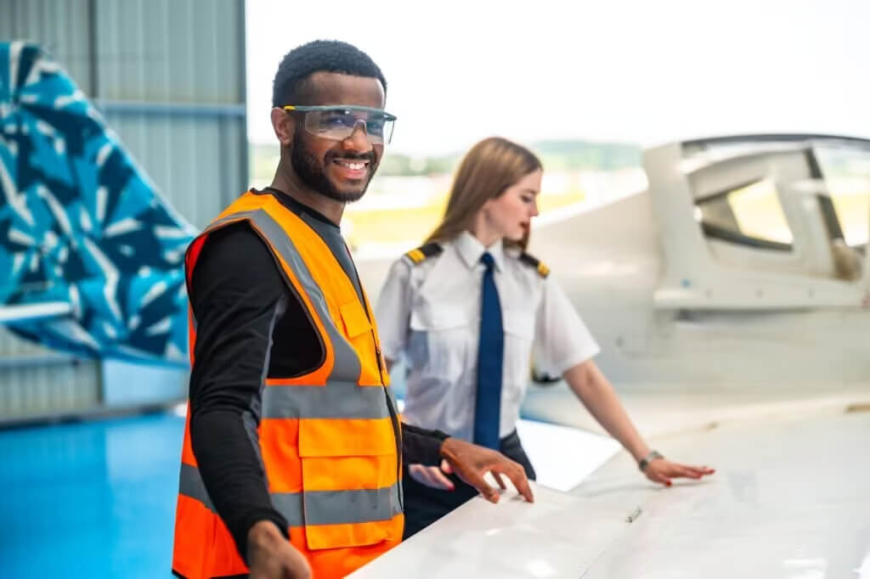
At HydraSearch, we enjoy exploring the real-world experiences behind aerospace engineering. A day in the life of an aerospace engineer is filled with innovation, problem-solving, teamwork, and cutting-edge technology. From designing advanced aircraft to testing spacecraft systems, every day brings new challenges that contribute to the future of aviation and space exploration.
What Is a Typical Day Like for an Aerospace Engineer?
Many people ask, What Do Aerospace Engineers Do? A typical day for an aerospace engineer includes designing aerospace systems, analyzing engineering data, conducting simulations, testing components, solving technical problems, and collaborating with multidisciplinary teams. Their daily activities help ensure aircraft and spacecraft are safe, efficient, and ready to meet the demands of modern aviation and space missions.
Morning: Planning and Project Meetings
What Do Aerospace Engineers Do? The day often begins with reviewing project schedules and attending team meetings. Engineers discuss project updates, identify technical challenges, assign tasks, and coordinate with designers, software engineers, manufacturing specialists, and project managers to keep development on track.
Designing Aerospace Systems
After planning, engineers spend time creating or refining designs for aircraft, satellites, rockets, drones, or spacecraft. Using Computer-Aided Design (CAD) software, they develop detailed models that meet performance, safety, and manufacturing requirements.
Running Simulations
Engineers perform computer simulations to evaluate how aerospace systems will function under different flight conditions. These simulations help predict performance, reduce risks, and improve designs before physical prototypes are built.
Testing Components and Systems
Throughout the day, aerospace engineers analyze test results from engines, structural materials, propulsion systems, and flight components. Testing helps verify that every system meets strict engineering and safety standards.
Solving Technical Challenges
Engineering projects frequently present unexpected problems. Aerospace engineers investigate technical issues, identify root causes, and develop practical solutions that improve product performance and reliability.
Collaborating with Teams
Aerospace engineering is highly collaborative. Engineers regularly communicate with mechanical engineers, electrical engineers, software developers, manufacturing teams, and quality assurance specialists to ensure projects move forward successfully.
Reviewing Safety and Regulations
Safety remains a top priority throughout the day. Engineers review designs and testing results to ensure compliance with aviation regulations, quality standards, and industry certifications before production begins.
Researching New Technologies
Many aerospace engineers dedicate part of their day to researching emerging technologies such as artificial intelligence, sustainable aviation fuels, lightweight composite materials, reusable spacecraft, and autonomous flight systems.
Preparing Reports and Documentation
Before ending the workday, engineers update technical reports, document test results, record engineering calculations, and prepare project documentation for colleagues and management.
Skills Used Every Day
Aerospace engineers rely on a wide range of skills during their daily work, including:
-
Mathematics and physics
-
Computer-Aided Design (CAD)
-
Engineering simulations
-
Programming knowledge
-
Critical thinking
-
Problem-solving
-
Communication
-
Team collaboration
-
Attention to detail
-
Project management
These skills help them solve complex engineering challenges efficiently.
Where Aerospace Engineers Spend Their Day
Depending on their specialization, aerospace engineers may work in:
-
Engineering offices
-
Research laboratories
-
Manufacturing facilities
-
Aircraft testing centers
-
Space research organizations
-
Government agencies
-
Private aerospace companies
Some engineers also visit testing sites, production facilities, or launch locations as part of their responsibilities.
The Future of an Aerospace Engineer's Workday
As technology advances, daily responsibilities continue to evolve. Future aerospace engineers will spend more time working on:
-
Electric aircraft
-
Sustainable aviation technologies
-
Artificial intelligence systems
-
Autonomous aircraft
-
Reusable launch vehicles
-
Advanced satellite communications
-
Urban air mobility
-
Commercial space exploration
These innovations are transforming the aerospace industry and creating exciting career opportunities.
Final Thoughts
At HydraSearch, we believe a day in the life of an aerospace engineer showcases the perfect combination of science, creativity, and innovation. From morning planning sessions and aircraft design to testing advanced systems and solving complex engineering problems, every day contributes to safer air travel, groundbreaking space missions, and technological progress. As aerospace technology continues to evolve, aerospace engineers will remain at the forefront of shaping the future of aviation and space exploration.