Why Is Tokenized Gold Becoming Popular and Can It Replace Physical Gold Investments Today?
Tokenized Gold combines traditional gold ownership with blockchain technology, offering digital, fractional, and accessible ways to invest in gold.
 Rayancooper
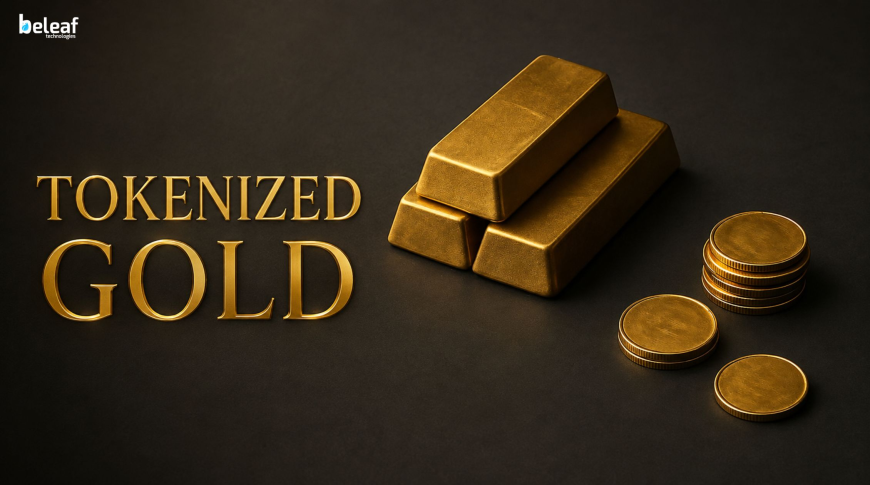
Gold has always been one of the most widely recognized assets for preserving wealth. During periods of inflation, economic uncertainty, or market volatility, many people consider gold because of its long history as a store of value. The representation of gold ownership is evolving due to modern technology. Instead of purchasing only coins or bars, investors can also access digital representations of gold through blockchain based systems. People researching digital gold investment, tokenized assets, and blockchain backed investments often want to understand how these assets compare with traditional gold.
What Is Tokenized Gold and Why Is It Gaining Attention
Tokenized Gold is a blockchain based digital asset where each token represents ownership of a specific quantity of physical gold stored in a designated vault. Instead of directly holding gold bars or coins, the holder owns a digital token connected to the underlying gold according to the terms established by the issuing platform. Each token may be linked to a defined amount of gold reserves, making its structure different from cryptocurrencies that are not necessarily backed by physical commodities. Blockchain technology records transactions through a distributed ledger, allowing ownership transfers and transaction history to be recorded digitally. The connection between physical gold and digital tokens generally depends on the issuer, custody arrangement, reserve verification, and redemption terms.
How Tokenized Gold Works Behind the Technology
The process begins when physical gold is purchased and stored in designated vaults. After the gold is verified and recorded according to the issuer's procedures, digital tokens can be created on a blockchain network. These tokens represent a specified quantity or claim related to the stored gold. Smart contracts can automate functions such as ownership transfers, transaction processing, and settlement. Every blockchain transaction is recorded on the distributed ledger, creating a permanent transaction record that can be examined according to the network's rules. When an investor purchases tokens, ownership of the digital asset is transferred without physically moving the underlying gold. Blockchain technology can also support fractional ownership. This means an investor may hold a smaller unit of gold rather than purchasing an entire bar or coin.
Why More Investors Are Choosing Digital Gold Instead of Physical Gold
Traditional gold ownership has several practical considerations. Buying gold bars or coins may involve storage arrangements, insurance, transportation, authentication, and security requirements. The buyer also needs to maintain the physical asset and protect it from loss or theft.
Digital ownership changes the way the asset is held and transferred.
-
Easy online buying and selling
-
Fractional ownership
-
Digital transaction records
-
No requirement for personal physical storage
-
Blockchain based ownership tracking
-
Access through supported platforms
-
Portfolio diversification
Understanding Gold Price USD Value Trading Volume and Market Activity
The value of Tokenized Gold generally follows the international gold price, which is commonly quoted in USD. When the market price of gold increases, a gold backed token may also increase in value. When gold prices decline, the token value may decline as well.
Several factors influence gold prices, including
-
Inflation
-
Interest rates
-
Central bank policies
-
Global economic conditions
-
Currency movements
-
Geopolitical events
-
Investor demand
Trading volume is another important market indicator. It represents the amount of an asset traded during a particular period. Higher trading volume can indicate greater market activity, while lower volume can indicate fewer transactions. Liquidity is also important. A market with sufficient buyers and sellers may allow transactions to be completed more easily. However, trading volume and liquidity can vary between platforms and tokenized gold products. The token price may not always exactly match the international spot price of gold.
Can Tokenized Gold Replace Physical Gold Investments
Whether Tokenized Gold can replace physical gold depends on what the investor wants to own and how the asset will be used. Physical gold provides direct possession of a tangible commodity. Gold bars and coins can be stored independently of a digital platform, although storage and security remain the owner's responsibility. Tokenized Gold represents gold ownership or a gold related claim through a digital system. It can allow digital transactions, fractional ownership, and blockchain based record keeping. For investors comparing the two forms, ownership structure is an important factor. Physical gold involves direct possession, while tokenized gold involves a digital representation and may involve an issuer, custodian, blockchain network, and platform. These risks should be considered separately from the market risk associated with changes in the price of gold.
Conclusion
By representing physical gold through digital tokens, it creates a different method for holding, transferring, and recording gold related assets. The structure of each token also matters because reserve arrangements, custody, redemption rights, and legal ownership can differ between products. Physical gold provides direct possession of a tangible asset, while tokenized gold provides digital representation through blockchain infrastructure. Anyone studying this asset class should examine the gold price, token structure, reserve verification, platform terms, trading volume, liquidity, fees, wallet security, redemption conditions, and applicable regulations before making an investment decision.